Last updated November 23, 2026
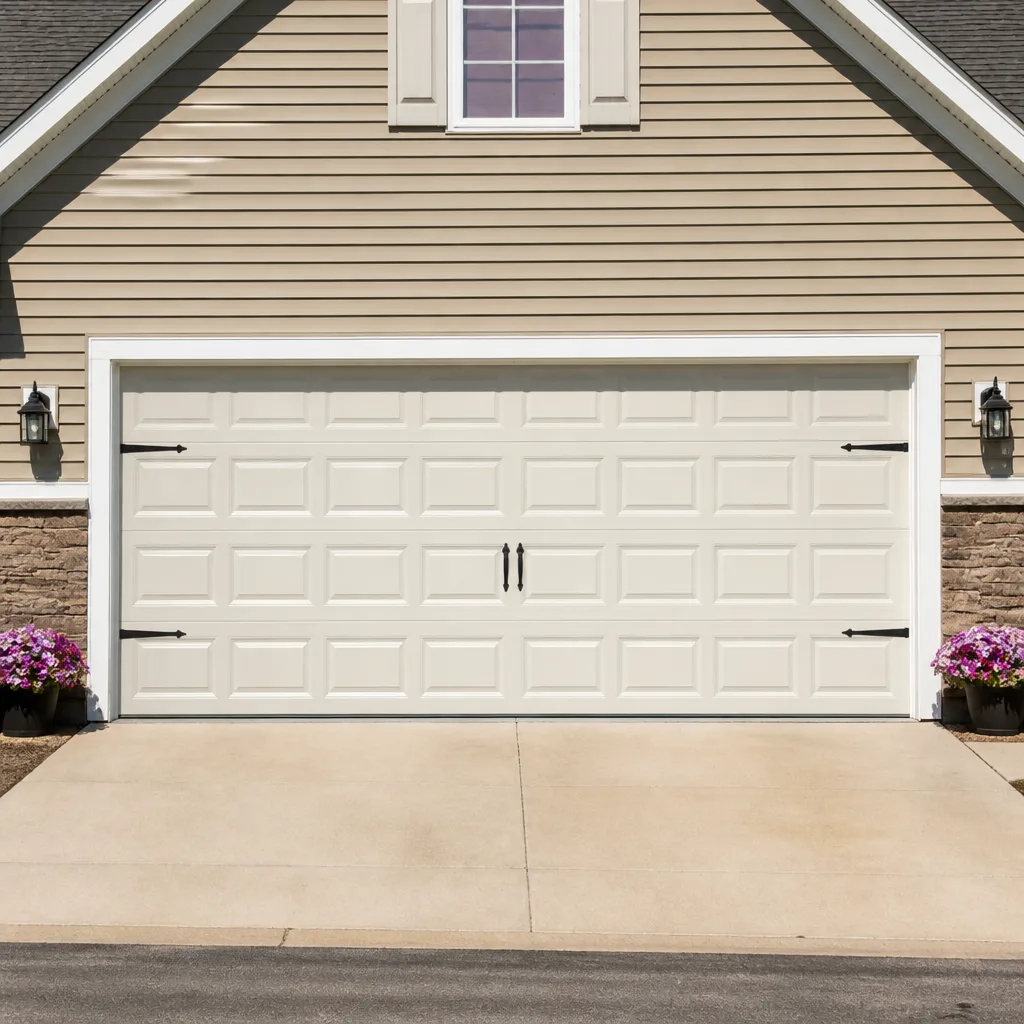 Raised-panel steel
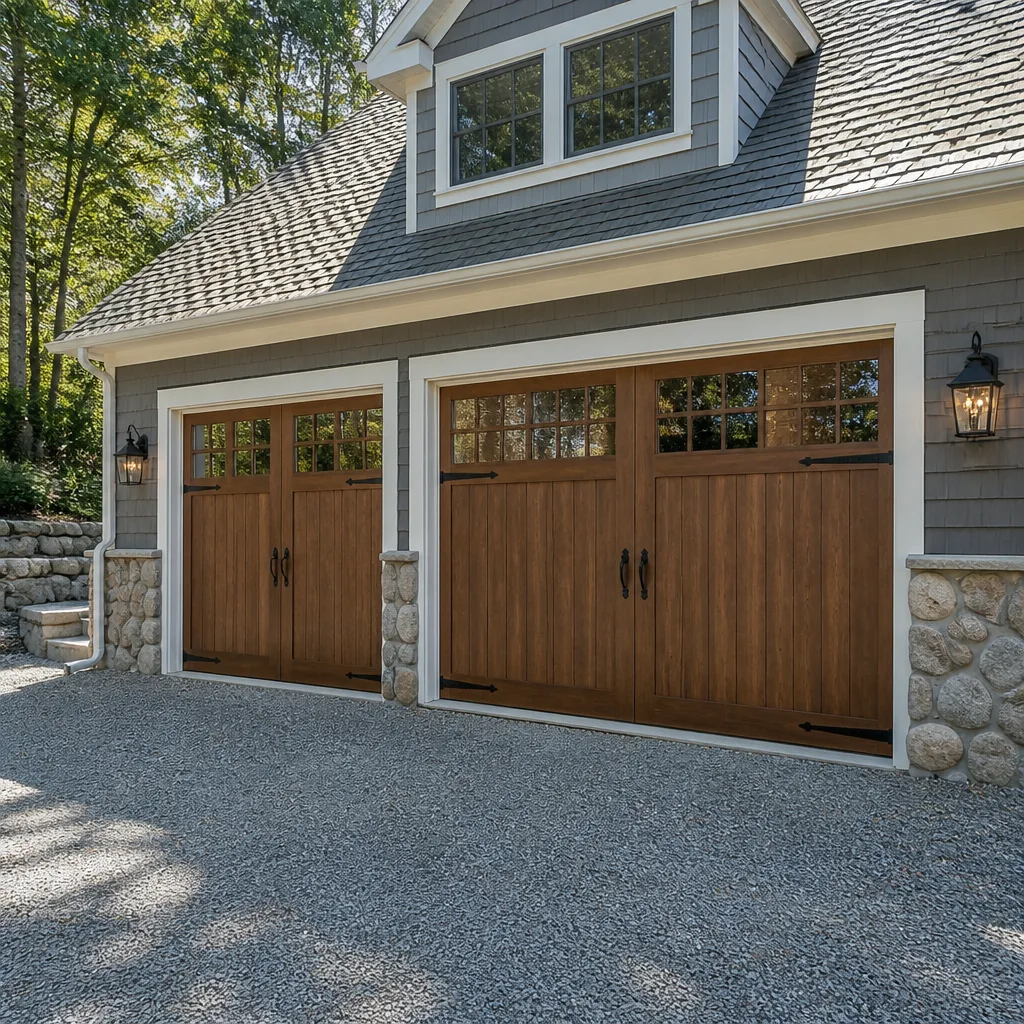 Carriage house
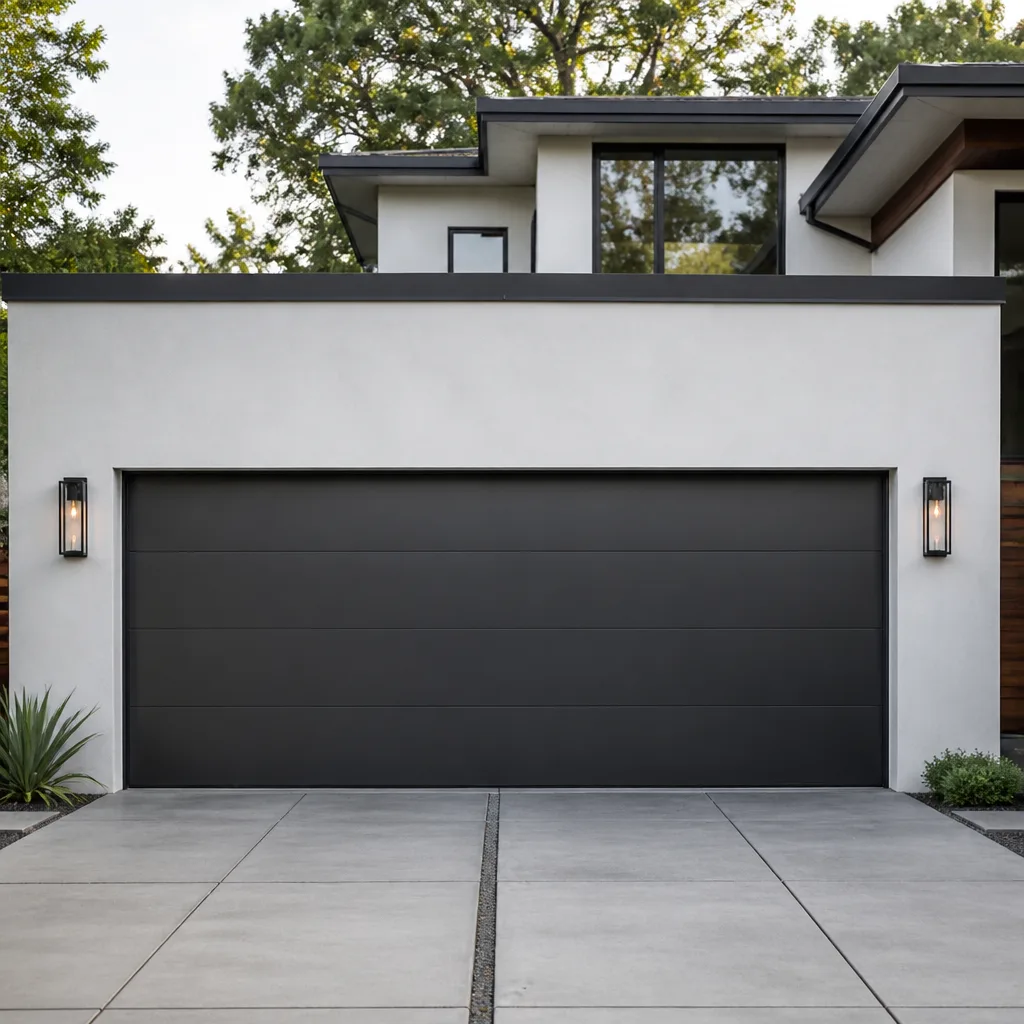 Modern flush
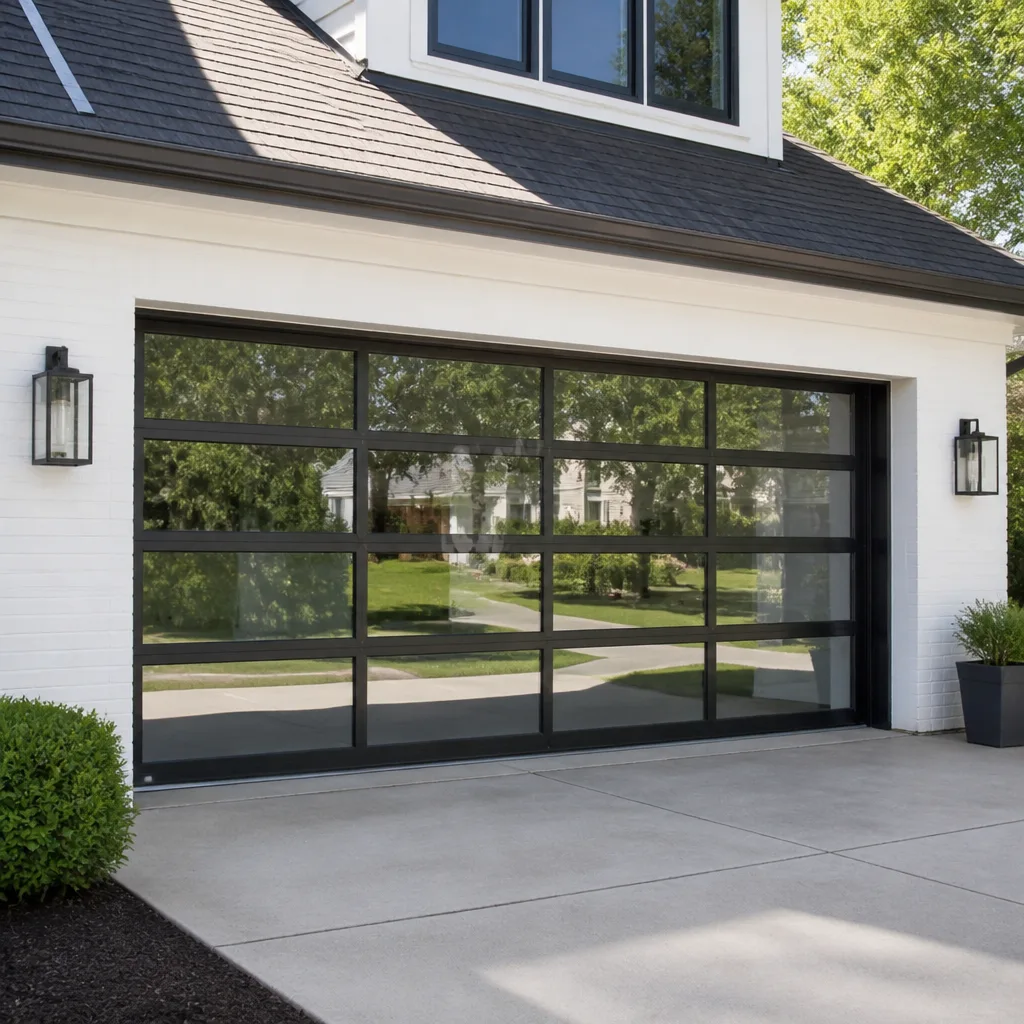 Full-view glass
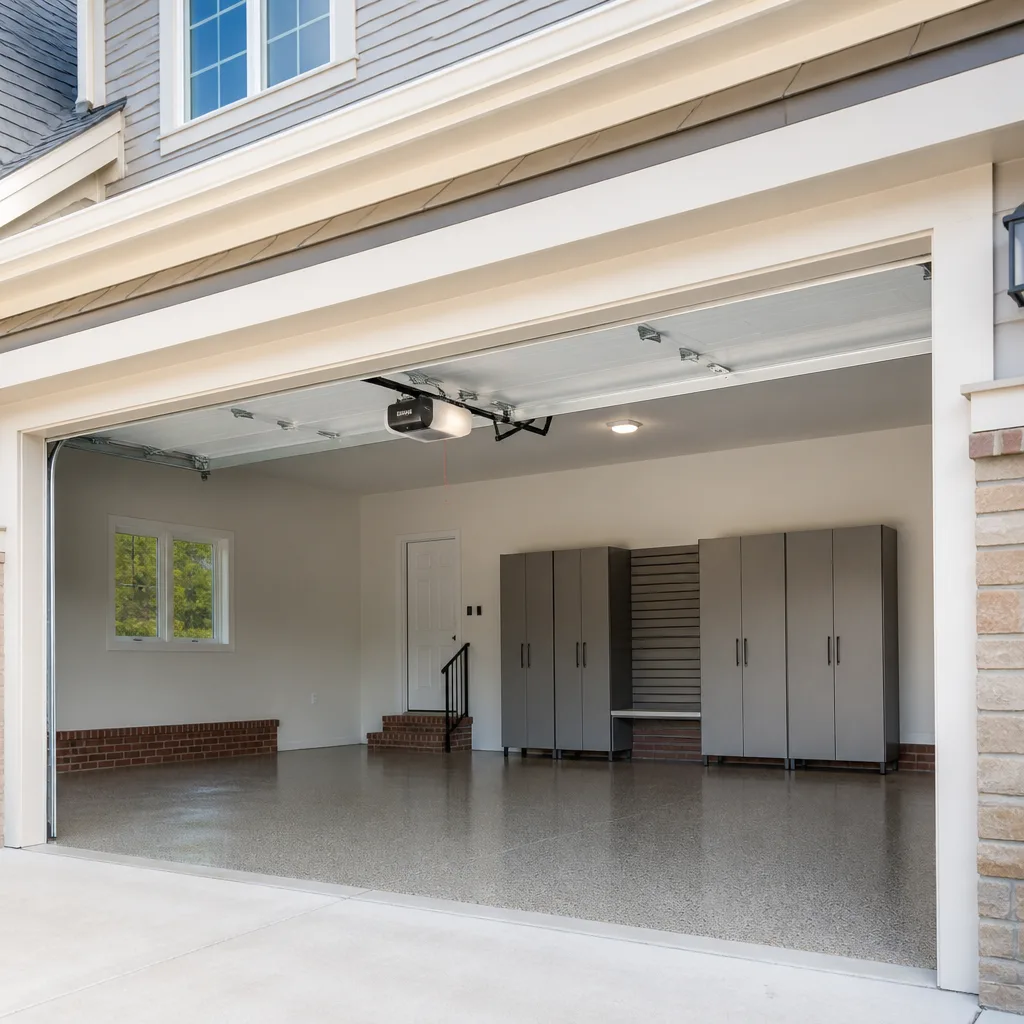 LiftMaster openers
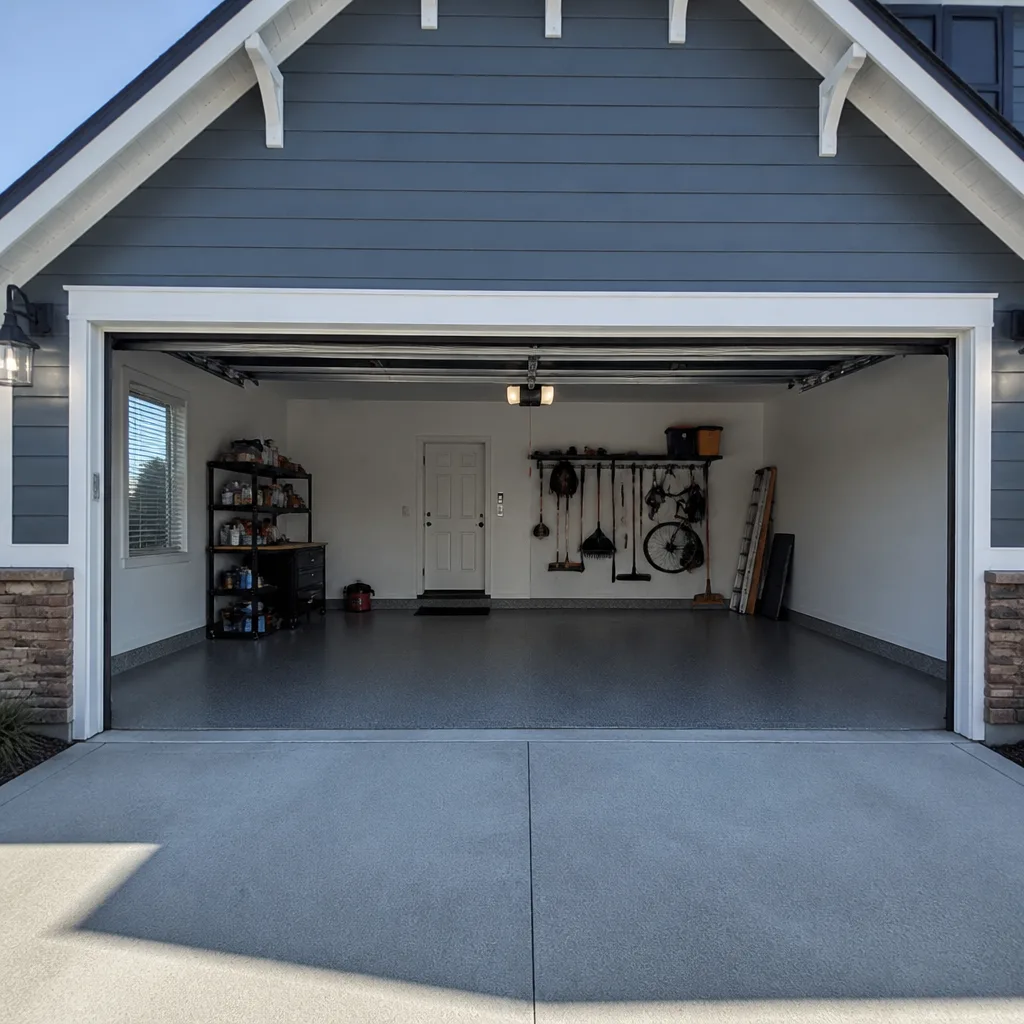 Chamberlain openers
Full 25-point door and opener safety check with every visit - springs, cables, rollers, tracks, and your LiftMaster or Chamberlain opener included
You get a price before we start. It does not change when the pro arrives.
Get your free estimateGarage Door Emergency Preparedness Guide for Norristown Homes
When a torsion spring snaps at 11 p.m. with your car inside, the worst thing you can do is try to manually lift the door. The right sequence takes about 90 seconds and keeps the door safe until morning. Most homeowners do the opposite: they grab the door, force it up, and turn a broken spring into a bent track, a snapped cable, and a door hanging crooked. We’ve seen it on more Norristown calls than we can count, and it almost always costs more than the spring itself. Preparation is what separates a two-hour problem from a two-day one. This guide covers what to do in the first five minutes of four common failures, how the emergency release actually works, how to secure a door that won’t close, and what to have ready before you call. Keep it somewhere you can find without a flashlight.
Quick Answer
To prepare for a garage door emergency in Norristown, know these three things before anything breaks: never lift a door whose spring has broken, know where your manual release cord is and pull it straight down (not at an angle), and have your door brand, model, and rough dimensions written down before you call for service. Emergency garage door service is available when a door traps a car, hangs off its track, or won’t close and leaves the home insecure. A trained technician needs to handle the springs and cables. Those are under extreme tension and can cause serious injury.
Styles & brands we work with
- Raised-panel steel
- Carriage house
- Modern flush
- Full-view glass
- LiftMaster openers
- Chamberlain openers
Table of Contents
- The First Five Minutes: What to Do Before You Call Anyone
- The Four Most Common After-Hours Emergencies
- How to Use the Emergency Release Cord Without Breaking It
- Temporary Security Options for a Door That Won’t Close
- What to Have Ready Before You Call for Emergency Service
- Winter Emergencies Specific to Norristown Doors
- Power Outages and Storm Protocol
- Common Mistakes to Avoid
- When to Call a Professional
- Frequently Asked Questions
The First Five Minutes: What to Do Before You Call Anyone
The first five minutes decide whether you have a repair or a reconstruction job. Garage doors look sturdy from the outside. They’re a balanced system of springs, cables, rollers, and a track, and every piece expects the others to be doing their part. When one component fails, the door becomes a heavy panel hanging on hardware that wasn’t designed to hold it that way.
Here’s the sequence we recommend:
- Stop and don’t touch the door. If you heard a loud bang from the garage, assume a spring or cable has failed until you know otherwise. Don’t open or close it.
- Check where the door is sitting. Is it fully closed, fully open, or halfway? That determines what you can safely do next.
- Look, don’t pull. Check for a visibly broken spring (a clean gap in a coiled spring above the door), a cable hanging loose, or a door panel off its track. Don’t test the door by hand to “see if it’s loose.” That’s how people get hurt.
- Secure the situation. If the car is trapped inside, leave it. If the door is open and the house is exposed, deal with that separately (see the security section below).
- Write down what you heard and saw. Was it a bang, a twang, a grinding sound, or nothing at all? Did the door stop suddenly or drift down slowly? These details tell a technician what happened before anyone arrives.
That’s it for the first five minutes. Everything else can wait for morning or for the technician. In Norristown, spring failures tend to cluster around the first cold snap of winter and again in early spring when the temperature swings. Cold makes hardened steel more brittle. If your door has been stiff or sluggish through a cold week, treat that as a warning.
The Four Most Common After-Hours Emergencies
Four failures account for most of the emergency calls we hear about from homeowners in Norristown. Each has a different safe response.
1. Broken spring with a car trapped inside
A snapped spring leaves the door extremely heavy, and the opener will strain or stall if you try to run it. Don’t run the opener. If you’re locked out of the house because the garage is the only entrance, use a side door or another route if one exists. If the car is genuinely trapped and you need it for a medical or emergency reason, a technician can release the door safely. On your own, leave it. A torsion spring under tension is the one part of a garage door that can cause serious injury without warning.
2. Door stuck open during a storm
A door stuck open isn’t a structural emergency, but it is a security problem. Don’t stand under the open door trying to pull it down. Don’t force the door by hand. If the opener isn’t responding, check the wall switch and the breaker first. Then secure the opening from the inside as best you can (see the security section below), and call for service. Wind gusts in Norristown can push a partially raised door into a track, and once a panel bends out of shape it usually needs replacement, not repair.
3. Opener failure with no manual release
If the opener motor has died mid-cycle and the door is stuck partway, the manual release is your tool. Every opener has one. It’s the red cord hanging from the carriage that rides on the rail. Pull straight down with steady pressure until it clicks. Do not yank it sideways or pull it by the rope at an angle. If the door still won’t move after the release engages, the problem may be a broken spring or a jammed roller, not the opener. Stop and call.
4. Snapped cable with the door partly open
A snapped cable is more dangerous than a broken spring in some cases. The spring is still under tension, and the door may drop without warning. Do not stand or walk under the door. Keep pets and children out of the garage. If you can see the cable hanging loose and the door is resting at an angle, don’t push it. Call for emergency service and stay outside the garage until a technician arrives. Cables are high-tension hardware, and a replacement cable that isn’t correctly tensioned can fail again immediately.
How to Use the Emergency Release Cord Without Breaking It
The manual release cord exists to disconnect the door from the opener, not from its springs. People get this wrong constantly, and the result is either a broken release mechanism or a door that comes down hard because they expected the release to do something it doesn’t.
Here’s the correct method, in order:
- Close the door fully first if the opener will run and the door isn’t visibly damaged. A door disconnected while it’s at the top of its travel is much harder to control.
- Find the red cord hanging from the trolley on the opener rail. It runs down near the door.
- Pull straight down with one smooth, steady motion until you hear the trolley drop out of engagement. Don’t pull at an angle, don’t tug in short jerks, and don’t pull by the rope and let it snap back.
- Lift the door slowly with both hands, and only if the springs are intact. If the springs are broken, the door will be very heavy. Stop if it feels like it’s fighting you.
- Re-engage by running the opener. The trolley will re-connect with the carriage on the next cycle.
That last step is where people get into trouble. If you’ve pulled the release and walked away, then run the opener expecting the door to work, the trolley slides along the rail and the door stays put. That’s a common call: “The opener runs but the door doesn’t move.” The fix is to re-engage the trolley, not to replace the opener. We’ve seen this on LiftMaster and Chamberlain units in older Norristown garages where the release cord has been pulled and never reset. If the mechanism won’t re-engage after a few cycles, call for service. A broken trolley is a cheap fix. A cracked rail is not.
Temporary Security Options for a Door That Won’t Close
A garage door that won’t close leaves an entire wall of your home open. This is the most common “we need someone tonight” call, and it’s the easiest to prepare for. Some temporary fixes actually hold. Others look reassuring and fail at 2 a.m.
What actually works
- Vise grips on the vertical track. Clamp a pair of locking pliers on the track just below a roller to stop the door from sliding down. This works as a stop, not a lock. It’s the most reliable overnight fix for a door that keeps creeping closed.
- C-clamps or a heavy-duty bar clamp across the track. Similar idea: something that physically blocks the roller from moving. If you have a pair of large C-clamps, this is faster than vise grips.
- A strap or cable lock through the track and door. A short ratchet strap wrapped around the vertical track and the door panel will hold it in place. Not as secure as a vise grip, but it works in a pinch.
- Move the car out of the garage. If the door won’t close, get the vehicle out if you can and park it in the driveway or on the street. A locked car on the street is safer than a garage open all night.
- Board up or barricade the inside. A piece of plywood across the inside of the opening won’t stop a determined person, but it does block a casual attempt and keeps animals out.
What doesn’t work (or makes things worse)
- A chair or plastic bucket under the door. A door that’s drifting down under its own weight will crush a chair. It looks safe and isn’t.
- Wedging something under the bottom seal. Software pushes the door down when the opener cycles, and a wedge can bend the panel.
- Zip ties through the track. They snap under the weight of the door. Use them to secure the release cord, not to hold the door.
- Pulling the emergency release hoping it will hold the door closed. The release disconnects the door from the opener. It doesn’t lock anything. A door with the release pulled can free-fall if the springs are compromised.
For homeowners in Norristown with a door that’s drifted for weeks, the real answer is a service call. A door that won’t sit closed usually means a limit switch adjustment, a track obstruction, or a failing safety sensor. All three are simple to fix when you know what you’re looking at. The temporary fixes above are for overnight.
What to Have Ready Before You Call for Emergency Service
The call goes faster when you can answer three questions: what brand is your door, roughly how big is it, and what happened right before it stopped working. That’s the difference between dispatching the right technician with the right parts and a second call the next day.
Here’s what we recommend writing down on a card and taping to the inside of a garage cabinet or the wall by the entry door:
| What to note | Why it matters |
|---|---|
| Door brand and model (from the opener label or door sticker) | Determine parts availability and whether the technician has the correct spring, cable, or opener motor for your system |
| Opener brand and model (from the label on the motor housing or end panel) | Opener repair needs vary between LiftMaster/Chamberlain and Genie/Craftsman units |
| Rough door width and height (in feet) | Springs are sized by door weight, which is a function of dimensions and material |
| Type of spring (torsion above the door or extension along the tracks) | Different spring systems need different parts and different safe-handling procedures |
| What happened right before the failure (bang, grind, door stopped, door reversed) | Tells the technician whether it’s a spring, cable, opener, or sensor issue |
| Whether the car is trapped and whether anyone is home | Determines urgency and whether a safe access route exists before the technician arrives |
Rough dimensions are enough. An 8-by-7 foot door is a common single-car size, a 16-by-7 is a common double-car. If you don’t know, guess within a foot. The technician will confirm on arrival. What matters is that the person on the phone can dispatch a technician who’s worked on your system before, rather than showing up empty-handed because nobody knew you had a Raynor or a Genie unit with a belt drive.
If you’re not sure of the brand, don’t worry about it. Look for a sticker on the inside of the door or the end of the opener. Most brands put one there. Any Norristown Garage Door Repair Pros technician can also identify the system on arrival. Having the label information ready just saves time on the phone.
Winter Emergencies Specific to Norristown Doors
Norristown winters bring a specific set of door problems that homeowners in warmer climates never deal with. Frozen doors, ice-bound sensors, and cold-cracked springs account for a good share of our cold-season repair calls. Each one has a correct response and a wrong one.
Frozen to the ground
If the door is frozen to the ground, don’t run the opener. The motor will strain against a door that can’t move, and the opener’s torque limit will trip or the motor will overheat. Don’t force it by hand either. The bottom seal can tear, and the panel can bend at the hinges. The right move is to free the seal gently with a plastic scraper or a flat tool, working along the bottom edge, then run the opener only once the door is loose. Keep the opener’s safety reverse feature on. If the door won’t reverse when it hits something, stop and call for service. That’s a safety issue, not a convenience one.
Ice-bound safety sensors
The safety sensors at the bottom of the track on each side are what stop the door from closing on a person, a pet, or a car. Ice and snow packed in front of the sensor lens will make the door reverse immediately, or refuse to close. Before calling, clear the snow from both sensors and wipe the lenses dry. If the door still won’t close, check the alignment. A sensor that’s been bumped out of alignment by a plowed snowbank won’t work. A small adjustment often fixes it. If the LED on the sensor is dark or blinking off-and-on, the sensor itself may have failed.
Cold-snapped springs
Springs fail more often in the first cold weeks of the year. Hardened steel gets brittle when temperatures drop, and a spring that’s been under tension for years can snap on the first cold morning it’s asked to do its job. If you hear a bang from the garage on a cold morning, don’t test the door. Call for service and plan on replacing both springs if they’re a matched pair. Replacing one and leaving the other is a common shortcut that almost always results in a second call within a few months.
Ice in the tracks
Ice in the vertical tracks will cause the rollers to jump, and a door that jumps its track is a serious safety problem. Don’t pry at the ice with a metal tool that could gouge the track. Don’t pour hot water on the track in freezing temperatures, because the refreeze makes it worse. A rubber mallet against the outside of the track, used gently, can free the roller. If the door is jammed or off track, stop. A garage door repair visit is the correct call.
Power Outages and Storm Protocol
A power outage is the most predictable garage door emergency, and it’s also the easiest to prepare for. If your opener has a battery backup, it will run the door for a while after the power fails. If it doesn’t, you’ll need the manual release. Test the release cord once a season so you know how it feels before you need it in the dark.
Storm protocol for a Norristown home with a vulnerable door:
- Before the storm: park the car outside the garage if the door has been sticking. Confirm the release cord is accessible and the label card is in place. Charge a flashlight you can find without lights on.
- During the storm: keep the door closed. An open door in high wind catches wind like a sail and pushes against the tracks. If the door won’t close for any reason, get the car out and secure the opening from the inside.
- After the storm: check the door for panel damage, bent tracks, or a door that’s sitting crooked. Don’t run the opener until you’ve checked. A door that looks fine can be off its track and run into a jamb on the first cycle.
If you lose power in the middle of a storm and the car is stuck inside, don’t run the opener repeatedly hoping it will catch. It won’t. Use the release cord if you can do it safely, or let the car stay inside until morning. Not every power outage needs emergency service. One that happens when the door is halfway open and won’t close for the night does.
Common Mistakes to Avoid
- Pulling the door up by hand after a spring snaps. The door weighs as much as an adult without working springs working against gravity. A homeowner who lifts it halfway can have it drop and injure themselves or bend the tracks. Don’t test it to “see if it’s just stiff.”
- Yanking the release cord at an angle. The trolley mechanism releases straight down. Pulling to the side bends the release arm and can slip the carriage off the rail. Once that happens, the door may not reconnect at all, and the opener will just run without moving anything.
- Calling without brand or door size. A desk trying to dispatch a technician who can handle a Raynor door with extension springs needs those details to prepare. Without them, the technician may arrive without the correct parts, and you’ve lost a day.
- Waiting for morning with an insecure house. A door that won’t close is a security and safety issue. Temporary fixes like vise grips on the track take five minutes and hold until the technician arrives.
- Running the opener repeatedly after a failure. Every cycle on a jammed or broken door strains the opener’s motor and gear assembly. If the door doesn’t move on the first try, stop trying. You’ll turn a spring repair into a spring-and-opener repair.
- Prying at a frozen door with a metal snow shovel. It gouges the seals and can score the panel and the track. Use a plastic scraper or a rubber mallet.
- Replacing one spring when you have a matched pair. The springs are matched for a reason. Leaving one older spring in place almost always means a second failure shortly after the first repair.
When to Call a Professional
Call a professional for any of these situations:
- A broken torsion or extension spring
- A snapped or slack cable
- A door that’s off its track or hanging crooked
- A door that won’t close and the house is unsecured
- A car trapped inside and no safe way to release the door
- A spring failure you’ve heard happen (don’t open or close the door to confirm)
- A door that reverses on its own or won’t fully close after a storm
These are not DIY jobs. The springs and cables are high-tension hardware, and a mistake with them can cause serious injury. Our technicians have up to 8 years of experience handling these systems safely. We work on the brands homeowners actually own, including LiftMaster, Chamberlain, Genie, Clopay, Amarr, Wayne Dalton, Craftsman, and Raynor. Emergency garage door service in Norristown is available when a door needs it, and Norristown Garage Door Repair Pros offers free estimates, with the price quoted and agreed before any work starts. Call (877) 492-4107 for a free estimate.
Frequently Asked Questions
Emergency garage door repair in Norristown typically runs higher than a scheduled repair because of the after-hours call, and the exact price depends on the failure. A broken spring replacement is a common call, a snapped cable is a separate job, and a stuck door that just needs a sensor adjustment costs less than either. Expect a diagnostic fee or an after-hours charge, and expect the price to be quoted before any work begins. Call (877) 492-4107 for an exact quote, since estimates are free.
Yes, a broken spring is one of the most common emergency calls we handle, and we offer emergency garage door service for situations where waiting until Monday isn’t practical. If your car is trapped, a door is hanging off its track, or the house is unsecured because the door won’t close, call (877) 492-4107 and describe what happened. The more detail you can give about the door and what you heard, the faster we can route the right technician and parts.
No. We quote the work before we start, and the price is agreed before any part is touched. If we discover an additional problem once we’re on site, we stop and tell you what it is and what it costs before we do anything. The written estimate sets the final price. If the scope is bigger than expected, you’ll know before the work begins, not on the invoice.
Yes. The local professional we connect you with is licensed and insured as their state requires, and our technicians have up to 8 years of experience with garage door systems. The work is warranty-backed, and we handle spring, cable, opener, and track repairs on the same call. Call (877) 492-4107 with any questions about licensing or coverage before scheduling.
We service LiftMaster, Chamberlain, Genie, Clopay, Amarr, Wayne Dalton, Craftsman, and Raynor. That covers the door manufacturers and the opener families most common in Norristown homes, which means we can usually identify your system and have the parts ready without a second visit. If you’re not sure what brand your door is, look for a label on the inside panel or the end of the opener, and tell us what you find when you call.
Clamp a pair of vise grips on the vertical track just below a roller to stop the door from sliding down, move your car out of the garage and park it on the street, and barricade the inside of the opening with a piece of plywood if you have one. Don’t rely on a chair or a plastic bucket. Those crush under the weight of a door. Then call for service so a technician can diagnose the underlying problem in the morning. Call (877) 492-4107 to book the visit.
The Bottom Line
The best garage door emergency plan is the one you build before the emergency. Know where your release cord is and how to pull it straight down. Never lift a door whose spring has failed. Write your door and opener brands, rough dimensions, and the type of spring on a card and keep it by the garage. Have a set of vise grips in a drawer you can reach without a flashlight. And when something breaks, call a specialist rather than testing the door by hand. Our technicians have up to 8 years of experience on LiftMaster, Chamberlain, Genie, Clopay, Amarr, Wayne Dalton, Craftsman, and Raynor systems. When you’re ready, garage door repair and garage door spring repair start with a free estimate in Norristown. Call (877) 492-4107.
Related Resources
If you’re dealing with a specific system, these guides cover the details: Norristown Garage Door Repair Pros for the full range of repairs, and garage door opener repair for motor, remote, and safety-sensor troubleshooting. Each of our service pages includes pricing ranges and a written-estimate guarantee.
Written by the team at Norristown Garage Door Repair Pros.
See the difference
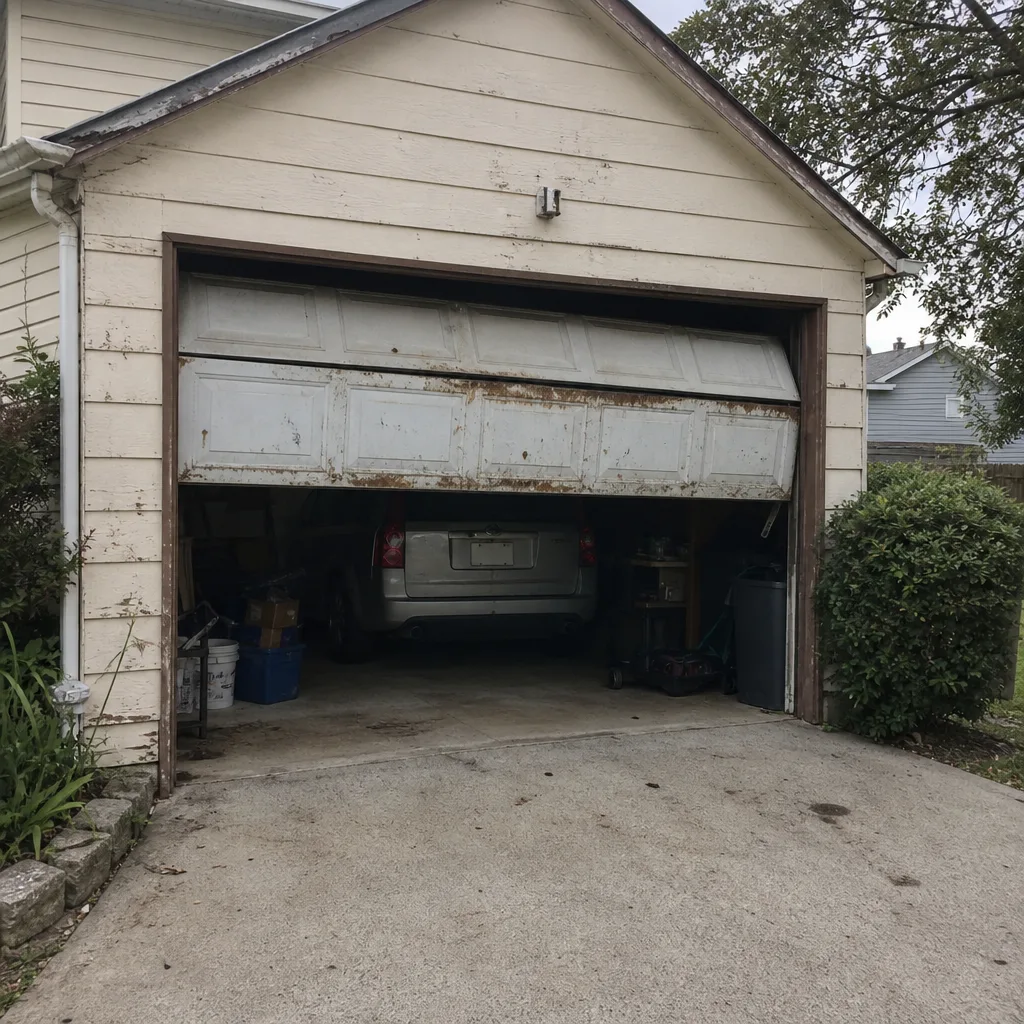 Before
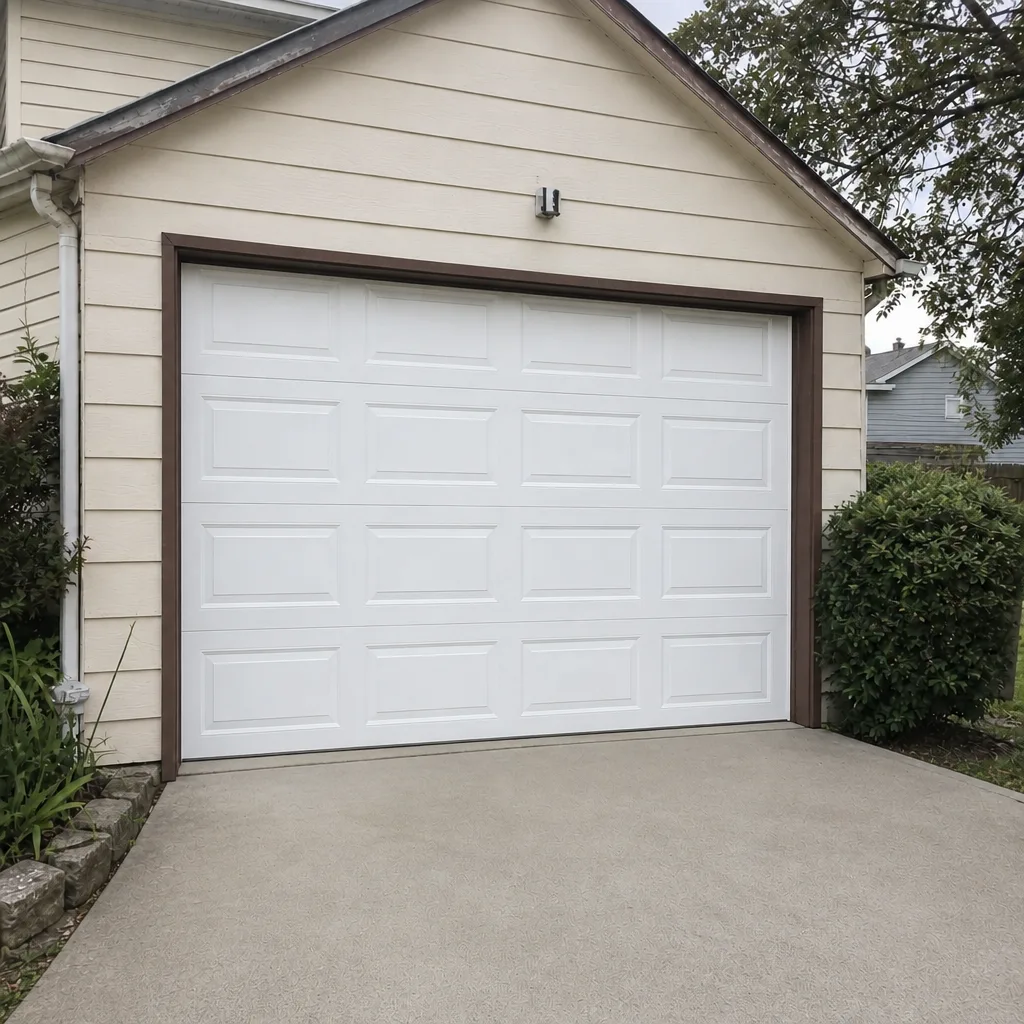 After
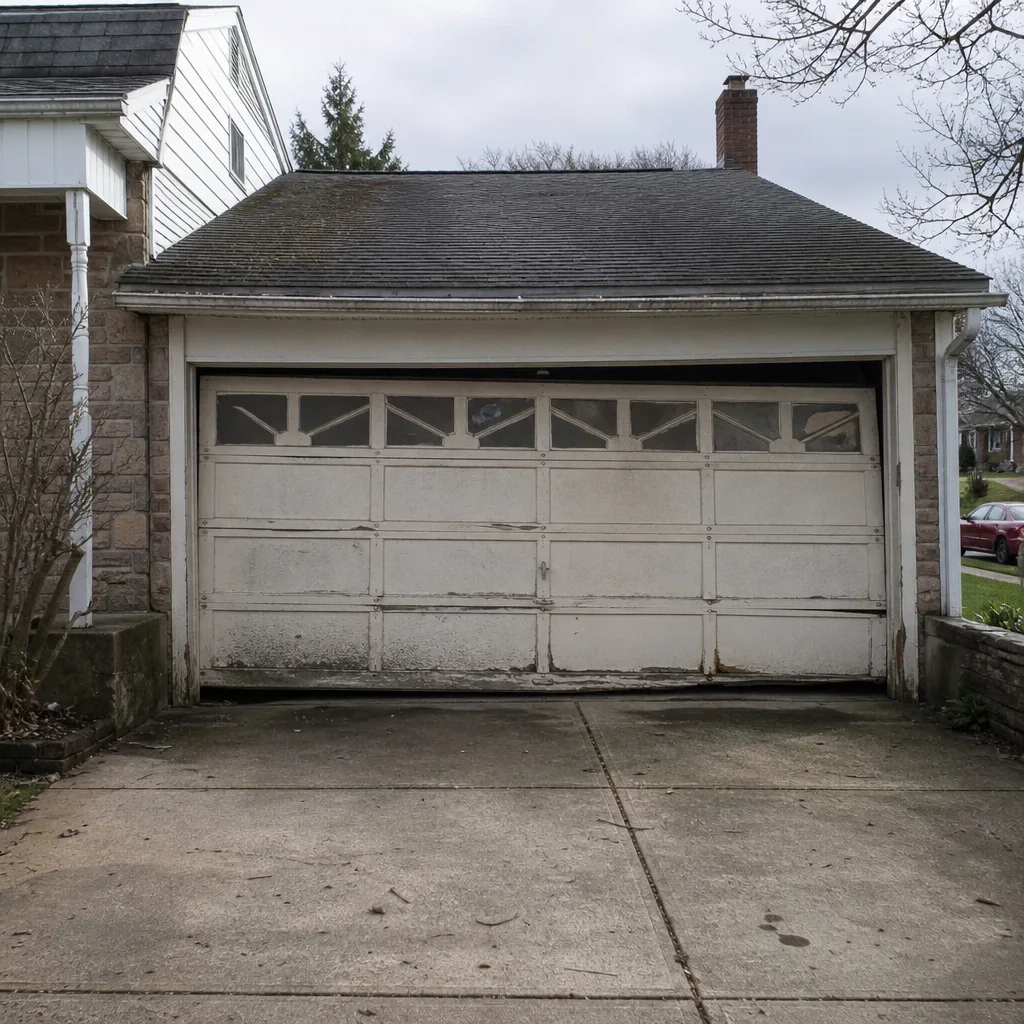 Before
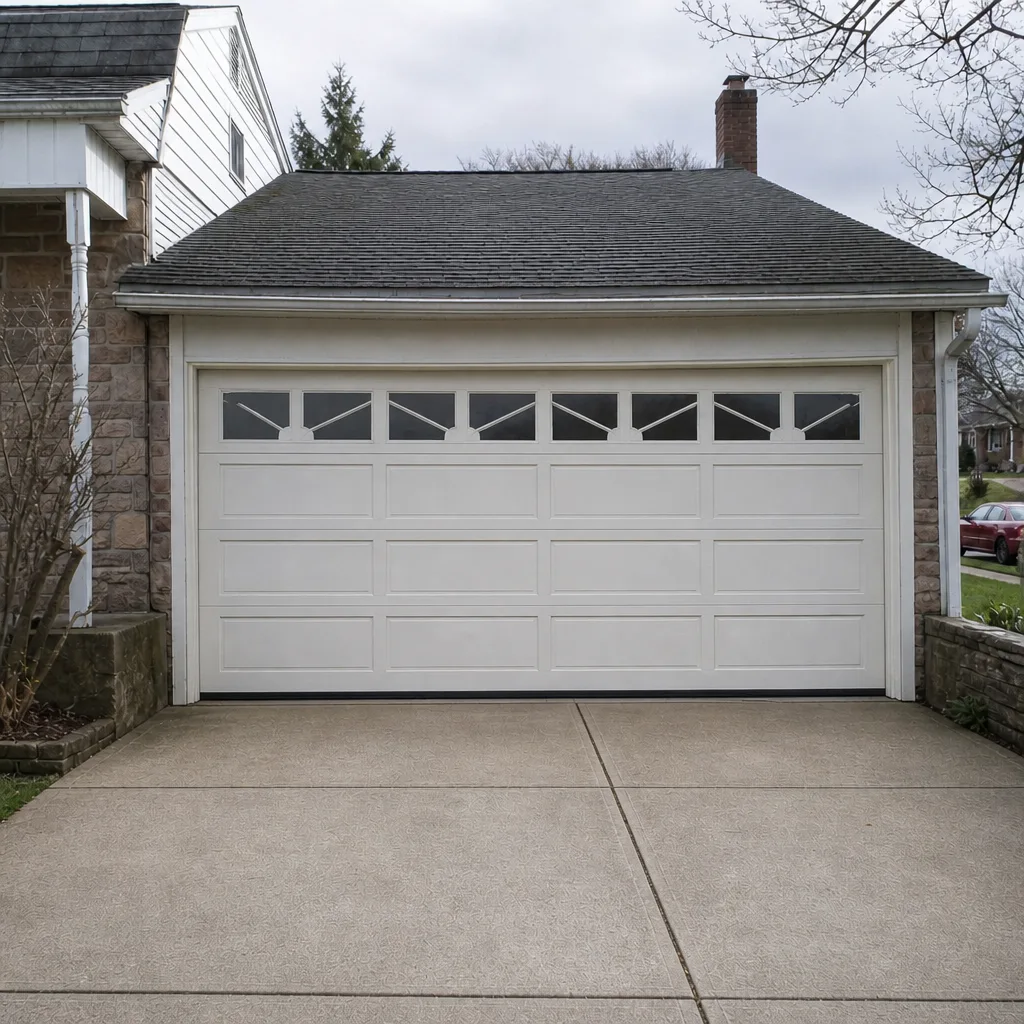 After
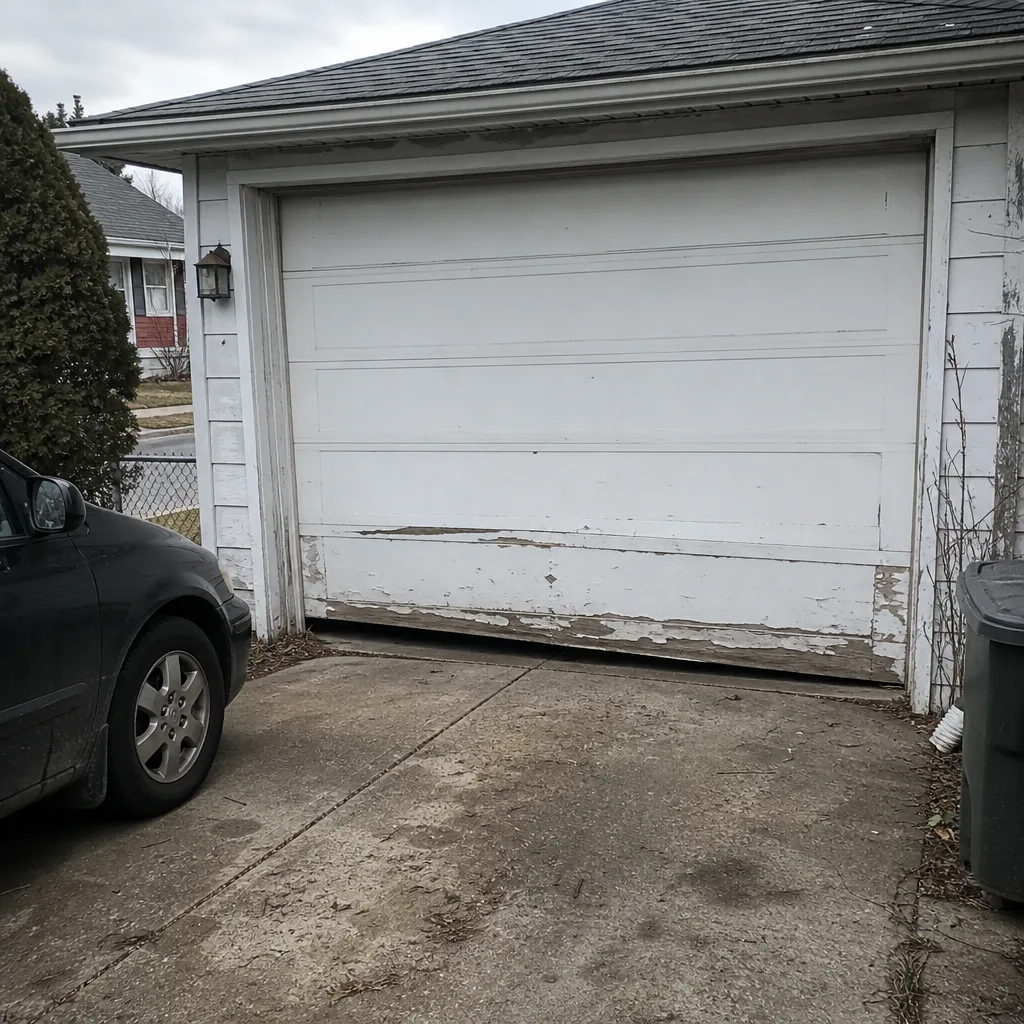 Before
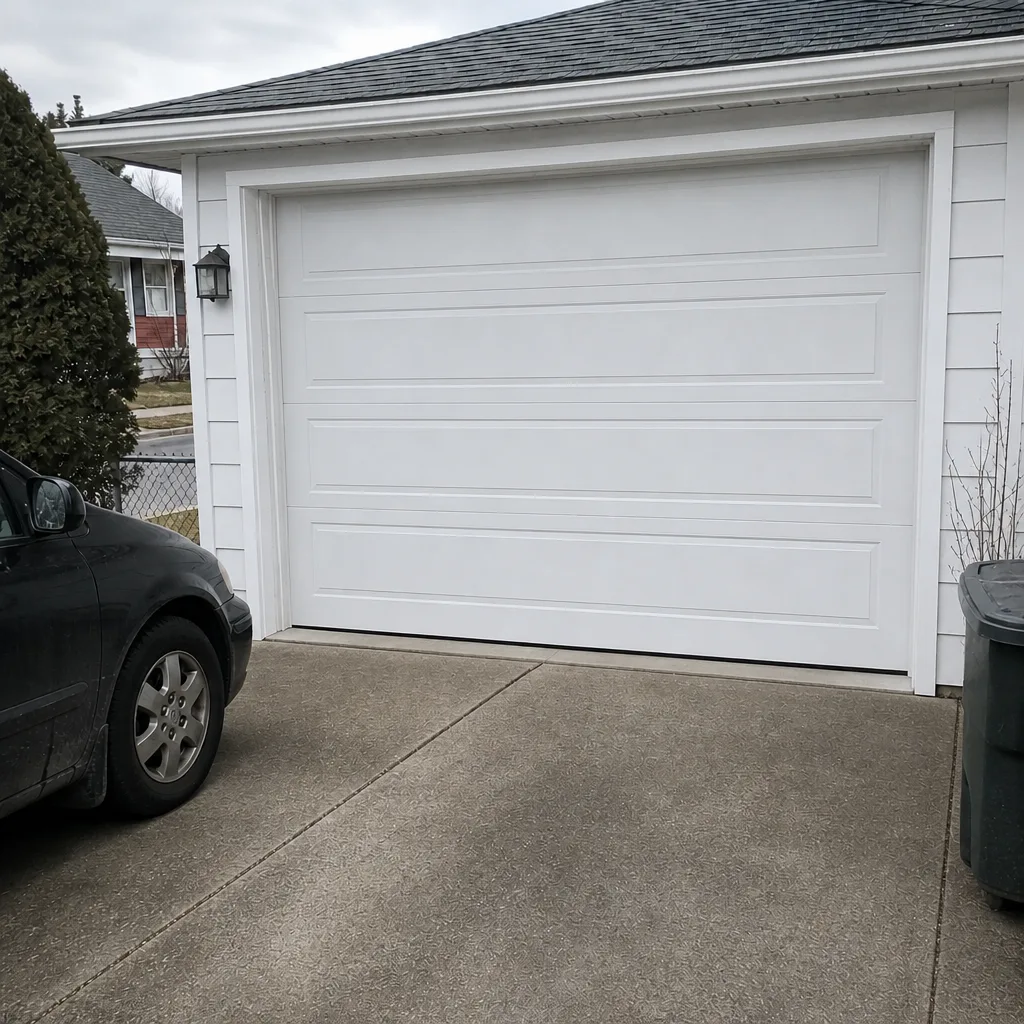 After