Last updated November 23, 2026
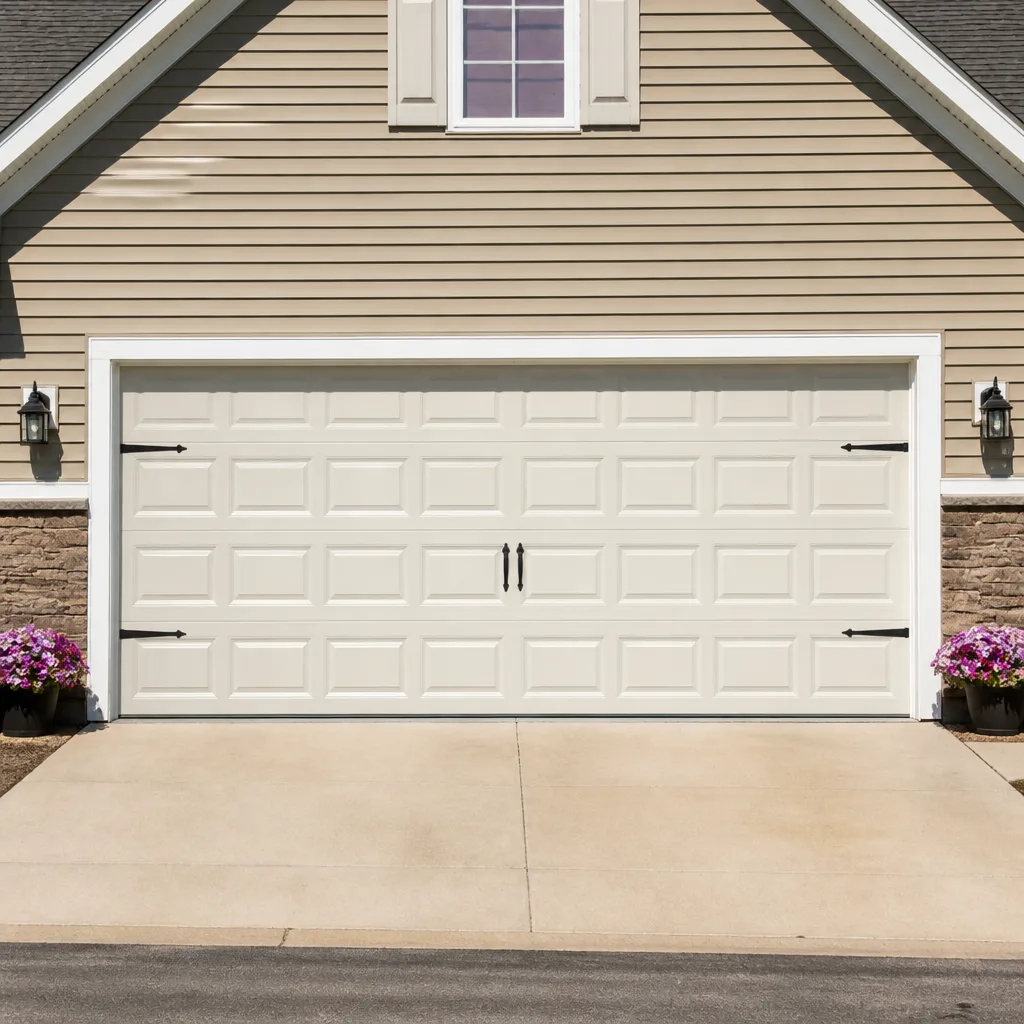 Raised-panel steel
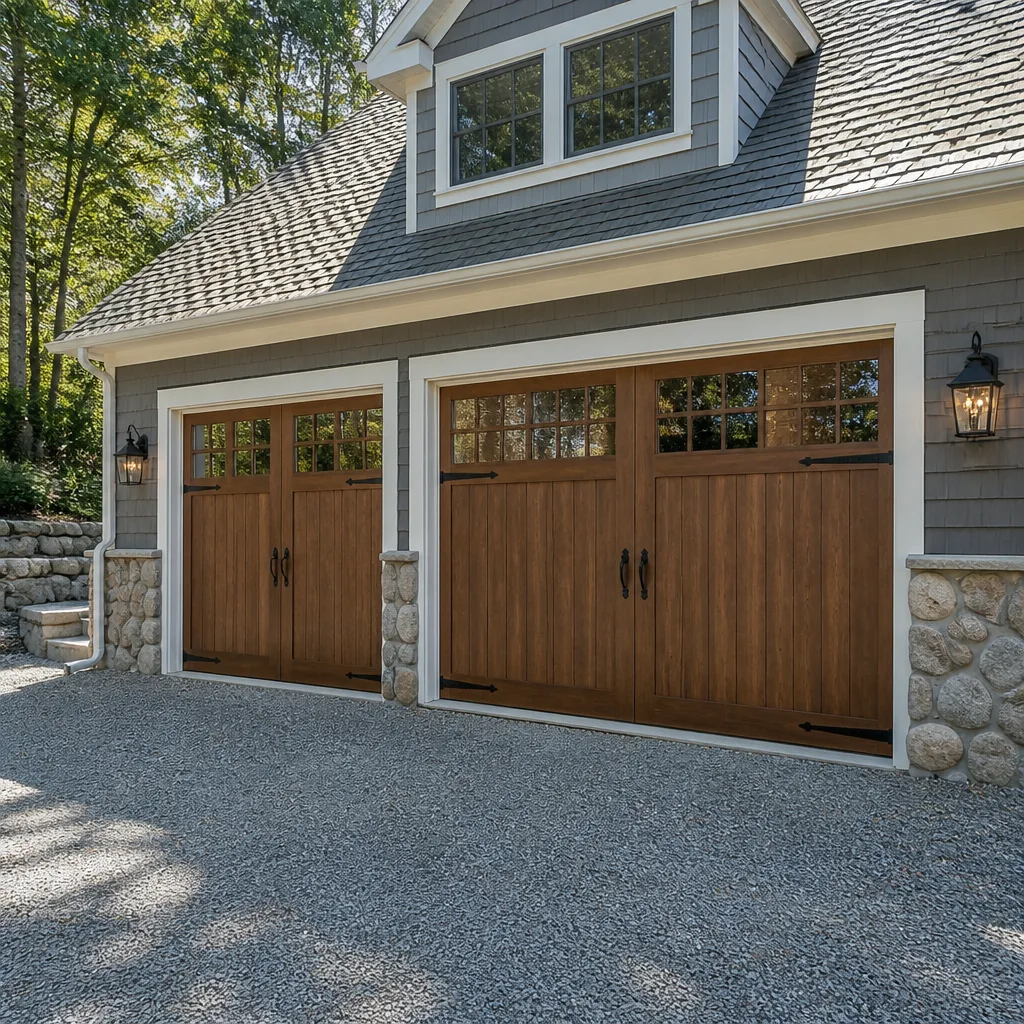 Carriage house
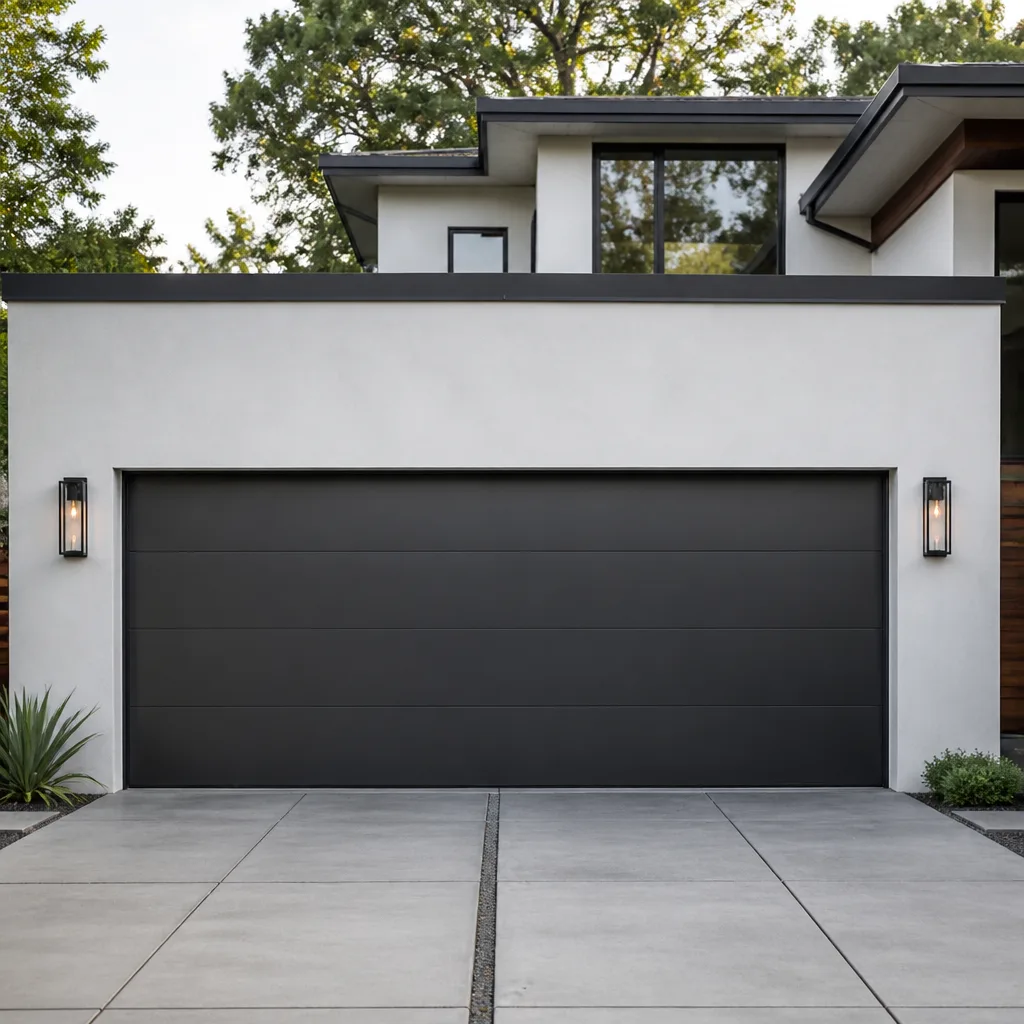 Modern flush
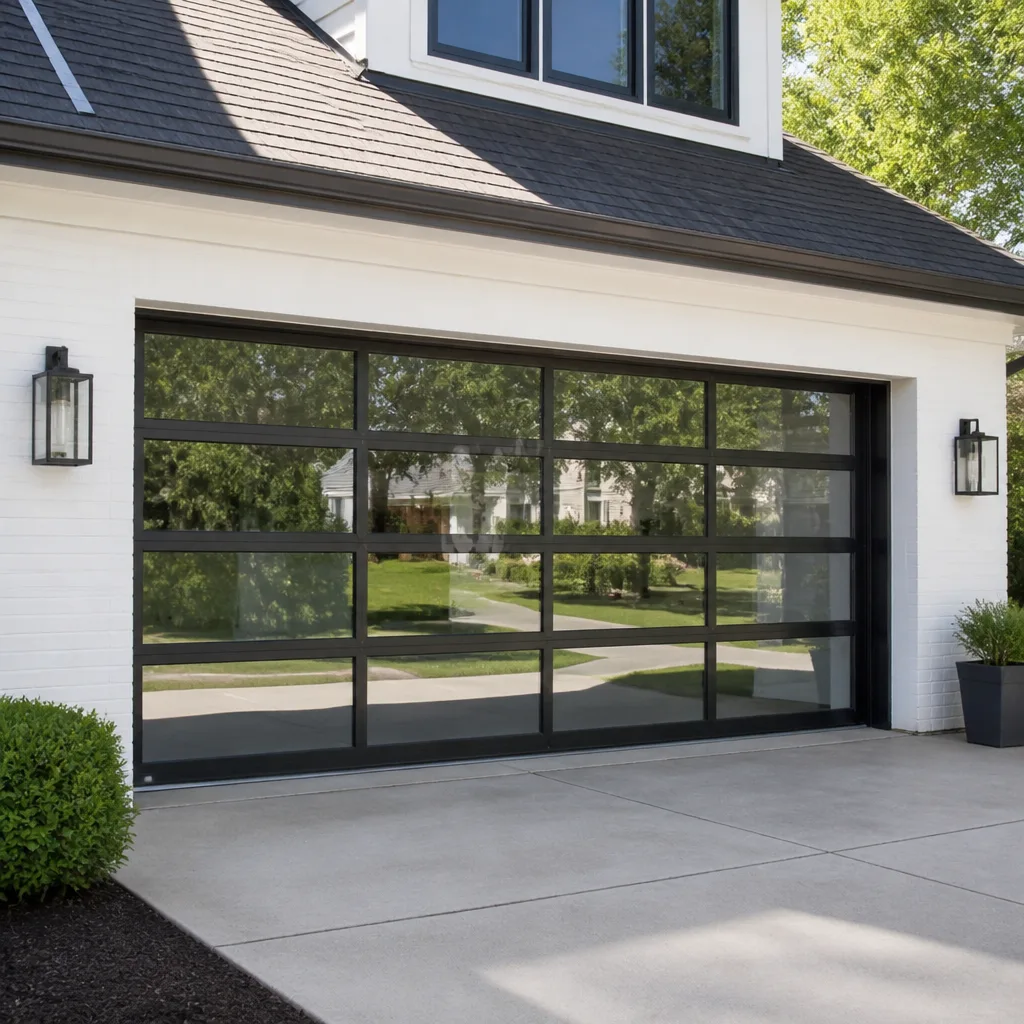 Full-view glass
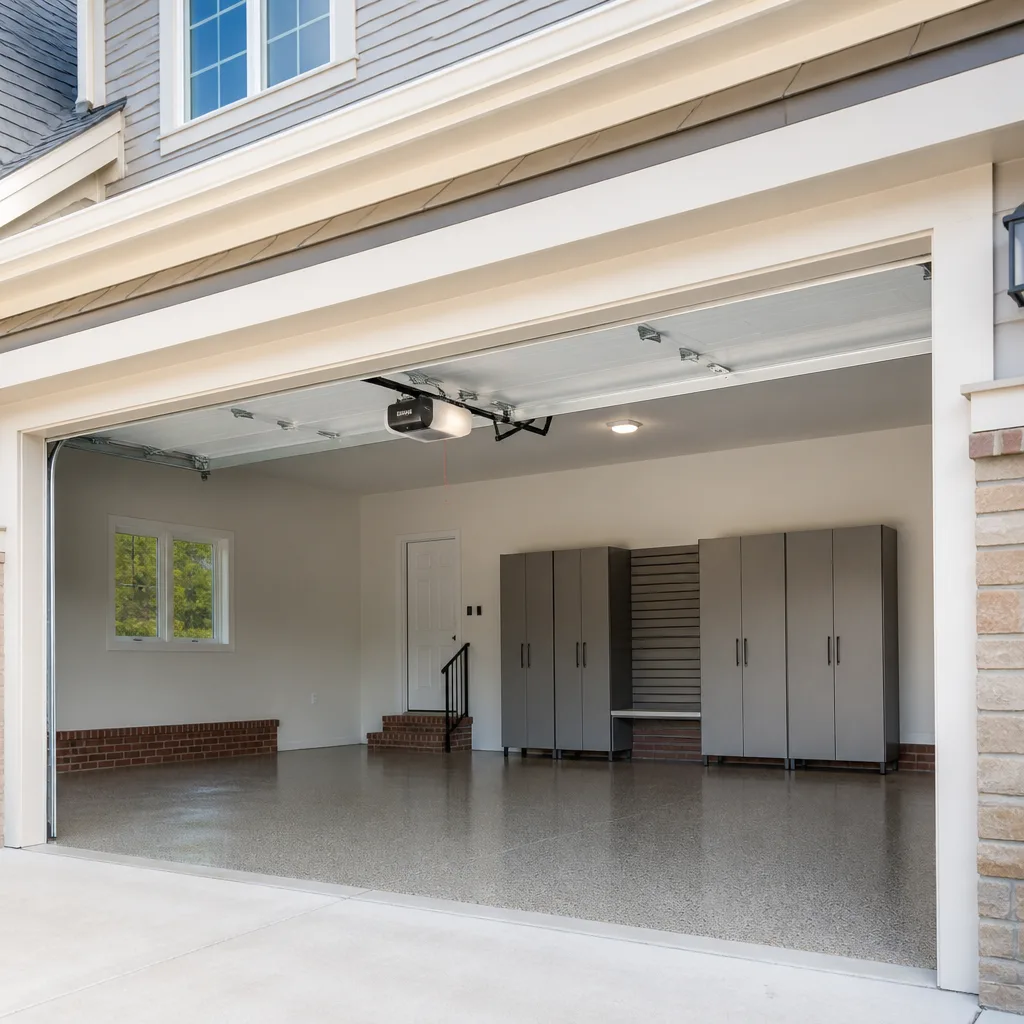 LiftMaster openers
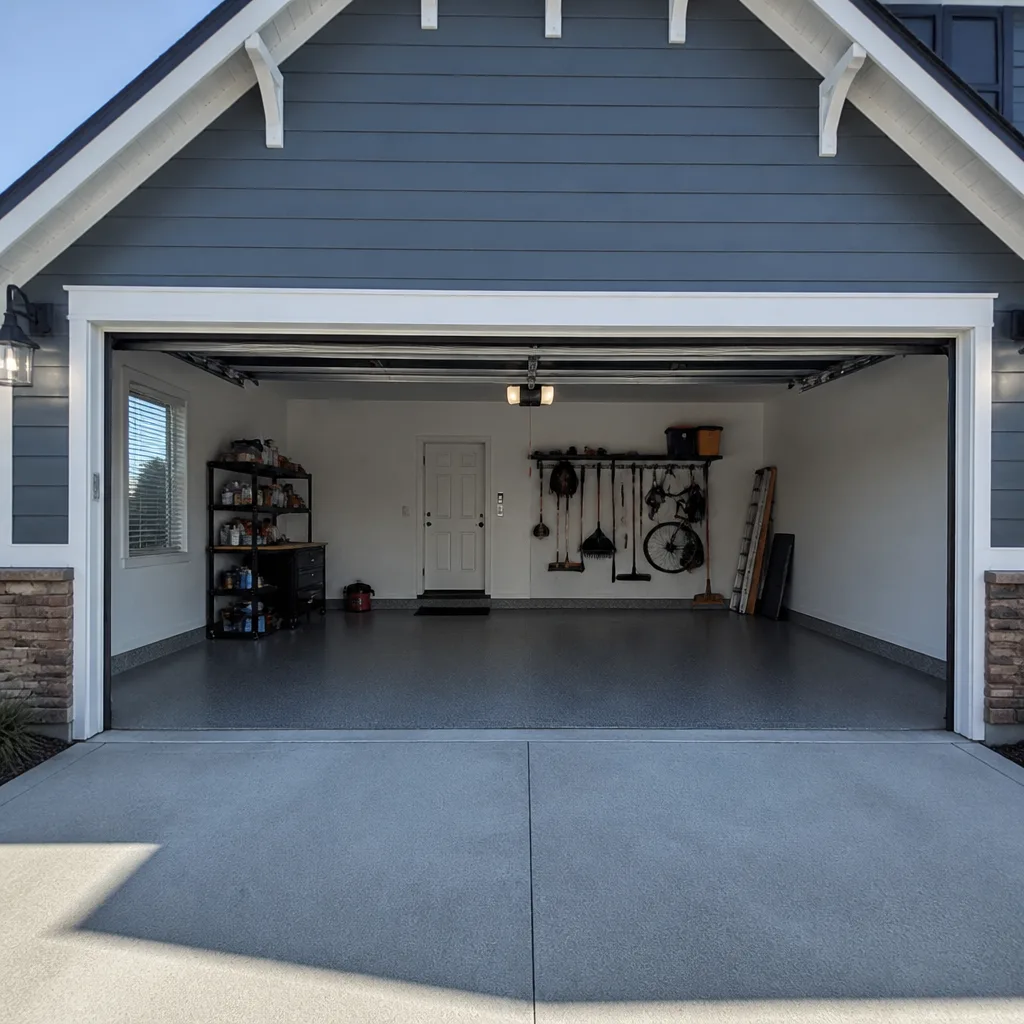 Chamberlain openers
Full 25-point door and opener safety check with every visit - springs, cables, rollers, tracks, and your LiftMaster or Chamberlain opener included
You get a price before we start. It does not change when the pro arrives.
Get your free estimateGarage Door Permits, Codes & Inspections in Norristown, PA: What You Need to Know
Most homeowners assume that swapping a garage door is like replacing a light fixture: same hole, same wires, no paperwork. That assumption gets expensive in Norristown. Adding an opener where none existed, changing the door’s size or type, or altering the opening itself can push a simple swap into permit-and-inspection territory, and the line between “exempt” and “requires a permit” isn’t where most people think it is. In this guide we’ll walk through how Norristown Borough and the surrounding Montgomery County townships handle garage door permits, how Pennsylvania’s Uniform Construction Code (UCC) applies to residential doors, what “like-for-like replacement” really means, and what happens at resale if the work was never permitted.
Quick Answer
In Norristown and most surrounding Montgomery County municipalities, a true like-for-like garage door replacement, same size, same type, in the same opening, is generally treated as ordinary repair and usually doesn’t require a building permit. Any change to the opening’s size, structure, or type, adding an opener where none existed, or installing a fire-rated door on an attached garage usually does require a permit and an inspection under the Pennsylvania UCC. Rules aren’t uniform across the borough and its neighboring townships, so the only safe answer for your address is to confirm with your local code office before work starts.
Styles & brands we work with
- Raised-panel steel
- Carriage house
- Modern flush
- Full-view glass
- LiftMaster openers
- Chamberlain openers
Table of Contents
- How the Pennsylvania UCC Applies to Residential Garage Doors in Norristown
- Norristown Borough vs. Adjacent Townships: Why the Rules Aren’t Uniform
- What “Like-for-Like Replacement” Really Means Under PA Code
- Which Garage Door Jobs Require a Permit
- Wind Load and Fire-Rated Assemblies: The Two UCC Triggers Homeowners Miss
- How to Verify Your Contractor Pulled the Right Permits
- Resale and Insurance Consequences of Unpermitted Work
- What the Inspection Actually Checks
How the Pennsylvania UCC Applies to Residential Garage Doors in Norristown
Pennsylvania’s Uniform Construction Code is the statewide building code that local municipalities, including Norristown, adopt and enforce. For residential garage doors, the UCC governs two things most homeowners don’t associate with a door: wind load and fire separation. Wind load is the code’s calculation of how much lateral pressure a door assembly has to resist during a high-wind event, and it affects what door and anchoring system is acceptable for a given opening. Fire separation concerns the door between an attached garage and the living space, which has to meet fire-resistance requirements because the garage is where vehicles, fuel, and stored flammables live.
What that means in practice is that the UCC isn’t really regulating “a garage door.” It’s regulating the assembly: the door, the track, the anchors, the header, and the surrounding wall. If you’re replacing a door with an identical unit in an untouched opening, the assembly hasn’t changed and the code is satisfied by the swap itself. If you’re changing the door’s rated performance, its size, or the opening, you’ve changed the assembly, and the UCC’s provisions kick in.
Norristown’s building department enforces the UCC locally, and the person who answers the phone there is the single best source for whether your specific job needs a permit. We tell every customer the same thing: one phone call to the borough saves you a headache at resale. In our experience working throughout Norristown and the surrounding townships, the jobs that catch homeowners off guard are almost never dramatic. They’re small scope changes: a wider door, an added opener, a fire-rated door swapped for a standard one.
If you’re still deciding what kind of work your door needs, our guide to garage door repair covers the difference between repair and replacement, which is the first question the permit conversation hinges on.
Norristown Borough vs. Adjacent Townships: Why the Rules Aren’t Uniform
Norristown Borough sits in the middle of Montgomery County, surrounded by separate municipalities, each with its own code office and its own interpretation of what the UCC requires for garage door work. That means a homeowner on one side of a Norristown street and a homeowner in an adjacent township may get different answers to the exact same question. The UCC is statewide, but enforcement is local, and local enforcement includes how strictly a municipality interprets exemptions and how detailed its permit application is.
In our experience, the practical differences come down to three things:
- Application detail. Some municipalities want a one-page form and a copy of the door manufacturer’s spec sheet. Others want a drawing showing the opening, the anchoring detail, and the wind load rating.
- Inspection timing. A like-for-like replacement that some offices treat as exempt may still require a final inspection in a neighboring township. Ask before you buy the door.
- Opener installations. Municipalities vary on whether adding a new opener to an existing door triggers a permit. Some treat it as electrical work that needs a permit; others treat it as an appliance install.
This matters most in Norristown’s denser neighborhoods, where older homes often have attached garages tucked under the second floor and the fire-separation question is genuinely important. The building stock around Norristown includes a lot of mid-century housing where the original door was replaced at least once, and each replacement may have been done with or without a permit. When we quote a new door in Norristown, we ask the homeowner what they know about the current door’s history, because the answer sometimes changes the scope of the job.
Call the municipality, not the county. The county doesn’t issue residential garage door permits. The borough or township does.
What “Like-for-Like Replacement” Really Means Under PA Code
“Like-for-like” is the phrase that gets thrown around most loosely in this trade. It doesn’t mean “another garage door.” It means the replacement matches the existing door in every respect that the code cares about: same size, same material type, same operation type (sectional, tilt-up, roll-up), same fire rating if applicable, same wind-load characteristics, and same opening. If all of that is true, the swap generally falls outside the permit requirement as ordinary repair and maintenance. If any one of those changes, you’ve left the exemption.
Here’s how to check whether your job is truly like-for-like:
- Measure the existing door and record width and height. The new door has to match exactly, not “close enough.”
- Identify the current door’s material and construction type (steel sectional, wood, aluminum, glass panel). A material change is not like-for-like.
- Check whether the current door carries a fire rating. A door between an attached garage and a living space needs to keep that rating.
- Confirm the existing opening and header are staying untouched. Widening or heightening the opening is structural work and always requires a permit.
- Ask whether the current door’s wind-load rating was part of the original permit. If you’re not sure, ask the borough to pull the file.
- Decide whether you’re adding an opener where none existed. That’s outside the like-for-like exemption in most municipalities.
The most common mistake we see is a homeowner upgrading from a plain steel door to a carriage-style door with windows, or a wood door to a steel one, and assuming it’s still a “replacement.” It isn’t. That’s a change in the door’s type and performance, and the permit question changes with it. Our Norristown Garage Door Repair Pros team walks customers through this check before we quote, because it’s cheaper to have the conversation now than to discover the issue at closing.
Which Garage Door Jobs Require a Permit
Across Norristown Borough and the surrounding Montgomery County municipalities, the following scopes of work generally require a permit and inspection under the Pennsylvania UCC. Specifics vary by township, so treat this as a starting list and confirm with your local code office:
- Changing the size of the opening. Widening or heightening a garage door opening is structural. It changes the header and the load path and always needs a permit.
- Changing the door type. Switching from a sectional door to a tilt-up, or any change that alters how the door engages the opening, is a change to the assembly.
- Installing an opener where none existed. This adds electrical work and, in most municipalities, triggers a permit. If you’re adding a new opener to an existing door, that’s the scenario the opening hook of this guide is about.
- Replacing a fire-rated door with a non-rated one. If your garage is attached to the living space, the door is part of the fire separation and has to keep its rating.
- Any work that changes the wind-load performance of the door assembly. That includes lighter anchors, different mounting, or a door with a lower rated wind resistance than the original.
- Modifying the header or structural framing around the opening. This is structural work, always permitted.
Meanwhile, these jobs typically don’t require a permit when the door matches the original:
- Replacing a broken spring (torsion or extension) with a matched spring. This is repair, not construction.
- Like-for-like door replacement in an unchanged opening.
- Cable, roller, hinge, or bracket replacement.
- Opener repair or replacement on a door that already had an opener.
- Weatherstripping, bottom seal, and trim replacement.
- Panel replacement on the existing door.
Spring work is the example we come back to again and again. It doesn’t need a permit, but it absolutely needs a trained technician. High-tension torsion and extension springs are under extreme load, and handling them incorrectly can cause serious injury. Our dedicated garage door spring repair service exists for exactly this reason, and we’d rather see a homeowner call us than attempt it based on a video.
Wind Load and Fire-Rated Assemblies: The Two UCC Triggers Homeowners Miss
Of the two triggers, wind load is the one homeowners ignore and fire-rated assemblies are the one they misunderstand. Both come straight out of the Pennsylvania UCC’s residential provisions, and both change whether a garage door swap needs a permit.
Wind Load
Wind load is the design pressure your door assembly has to resist based on its exposure and the local wind-speed map. A door that’s rated for a moderate exposure may not be acceptable in another location, and a lighter anchoring system may not meet the requirement even if the door itself does. In Norristown’s housing stock, most doors on single-family homes are comfortably within the standard wind-load range for their original installation. Problems crop up when a door is replaced with a lighter system, or when a homeowner substantially changes the size of the door, which changes the load it has to resist.
What a homeowner should take from this: if your new door’s wind-load rating is lower than the existing one, or you’re changing the sizing, ask your municipality about a permit. If the new door matches the old in rating, you’re in like-for-like territory.
Fire-Rated Assemblies
If your garage is attached to the living space, the door between the two is part of the fire separation. That door needs a fire-resistance rating, and it needs the right hardware to close and latch reliably. In practice, what we see most is homeowners replacing a rated door with a nicer-looking non-rated one, then discovering the issue at resale. The fix isn’t cheap: replacing the door again with a rated unit, plus whatever else the inspection turns up near the opening.
If your garage shares a wall or ceiling with the living space, treat the fire rating as non-negotiable before you pick the door. If the garage is detached, the fire separation question doesn’t apply the same way, but wind load still does.
How to Verify Your Contractor Pulled the Right Permits
You don’t have to take a contractor’s word for it, and you shouldn’t. In Norristown, permits are a matter of public record and can be verified with the borough. Here’s how to do it before the work begins:
- Ask for the permit number in writing before the door is ordered. If the answer is “we’ll do it after,” that’s a red flag.
- Call the municipality and confirm the permit was pulled in your name and address, with the correct scope of work.
- Ask who the listed contractor is on the permit. It should match the company you hired, and the permit should name the property as the work site.
- Ask whether an inspection is required after the work is complete, and who schedules it. It’s the permit holder’s responsibility, not yours.
- Get the final inspection sign-off in writing and keep it with your closing documents.
If a contractor is reluctant to pull a permit, ask them what specifically about the job they believe is exempt. Acknowledge the conversation honestly: a small proportion of like-for-like replacements genuinely are exempt, and a good contractor will explain why. But if they can’t point to a specific exemption and still resist, that’s a strong signal. Reluctance to pull a permit is often about avoiding the inspection, not about saving you time.
Our team works in Norristown regularly, and we’re always willing to tell a homeowner which permits we think a job needs before quoting. Call (877) 492-4107 with the details of your door and opening and we’ll tell you what we think the borough will require. The estimate is free, and so is the honesty about scope.
Resale and Insurance Consequences of Unpermitted Work
This is where the paperwork catches up with you. During a home sale, a buyer’s inspector notes anything that looks like unpermitted work around the garage, and the resolution usually involves one of three paths: the seller pulls a permit retroactively, the seller provides documentation that the work was exempt, or the seller credits the buyer for the cost of correcting it. In our experience, the retroactive permit path also usually includes a site inspection, which sometimes surfaces additional issues that weren’t part of the original complaint.
Homeowners insurance is the second exposure. If an unpermitted change to the door assembly contributed to a loss, the insurer can reduce or deny the claim. The scenarios we worry about most are the ones involving fire-rated assemblies, where an unrated door was installed where a rated one belonged, and wind-load changes on a larger, lighter door. Neither is common, but both are the kind of thing that shows up on a claim review, not on the day of install.
If you’re selling and you suspect past work was unpermitted, don’t wait for the buyer’s inspector to find it. Call the municipality, find out what records exist, and figure out your options early. It’s cheaper than renegotiating it at the closing table.
What the Inspection Actually Checks
When a garage door permit is required, the inspection is usually a short visit focused on the specific scope of the permit, not a general home inspection. Here’s what the inspector is typically looking at:
- The door’s rating documentation. The manufacturer’s spec sheet showing the door meets the required fire rating and wind-load rating for the opening.
- The anchoring system. The brackets, the fasteners, and the way the track is attached to the framing.
- The header and opening. That the structural members around the door match what was approved on the permit application.
- The opener and safety features. For new opener installations, the reversing mechanism and the photo-eye safety sensors.
- The final connection between the door assembly and the rest of the structure. That the door does not compromise the fire separation between garage and living space.
The inspection usually takes minutes, not hours. The problem is what happens if the inspector finds the door doesn’t match what was permitted, because rework after an inspection is a scheduling problem for everyone. That’s why we document the door spec before ordering and match it to the permit application line by line.
Common Mistakes to Avoid
- Assuming “replacement” means “exempt.” Only like-for-like replacement is exempt, and the definition is narrower than most homeowners think. Changing the material, size, rating, or type means you’re in permit territory.
- Adding a new opener without asking about electrical permits. In Norristown and many surrounding townships, a new opener installation triggers a permit; opener repair on an existing unit usually doesn’t. Our garage door opener repair team can help you sort out which side of the line you’re on.
- Skipping the fire rating on an attached garage. If the garage shares a wall or ceiling with the living space, swapping a rated door for a nicer non-rated model is a problem at resale and a potential insurance problem. Match the rating, not the looks.
- Trusting a quote that says “we don’t need a permit.” Ask why. If the contractor can’t name the specific exemption that applies to your job, get a second opinion from the borough.
- Buying the door before the permit. If the permit application is denied or requires a different spec, you may be stuck with a door you can’t install. Confirm the permit first, then order.
- Forgetting that neighboring townships may differ. A homeowner on the Norristown line and a homeowner two streets into an adjacent township can get different answers. Always confirm with the municipality that has jurisdiction over your address.
- Not keeping the paperwork. Permit approvals and final inspection sign-offs belong with the closing documents. A future buyer will ask.
See the difference
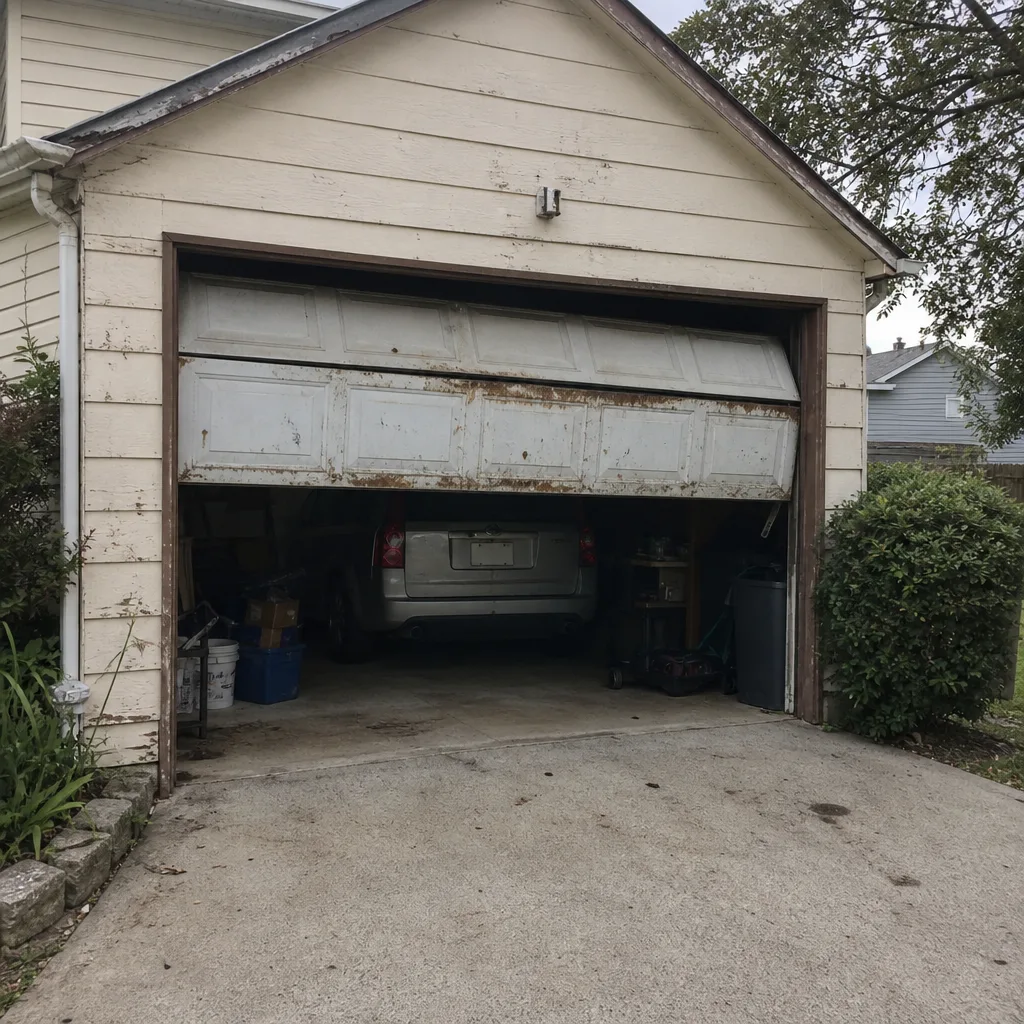 Before
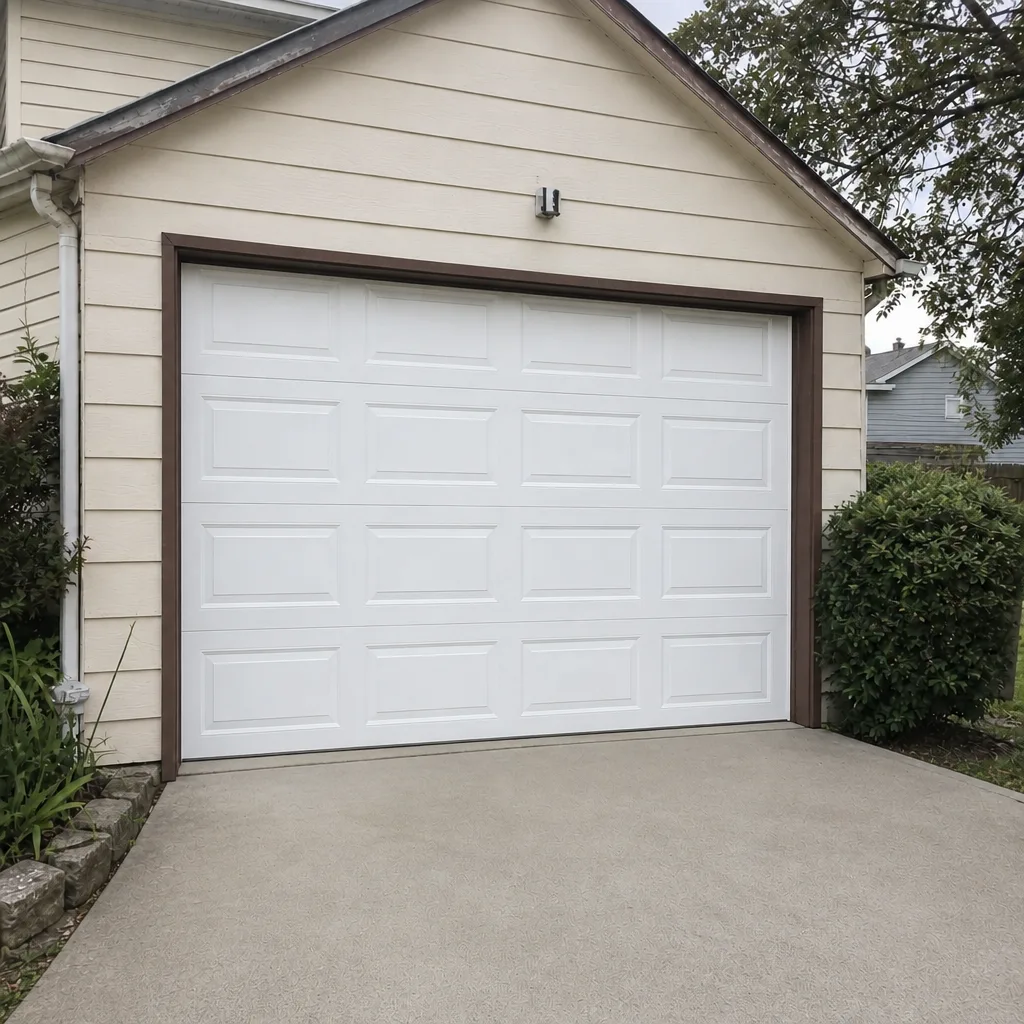 After
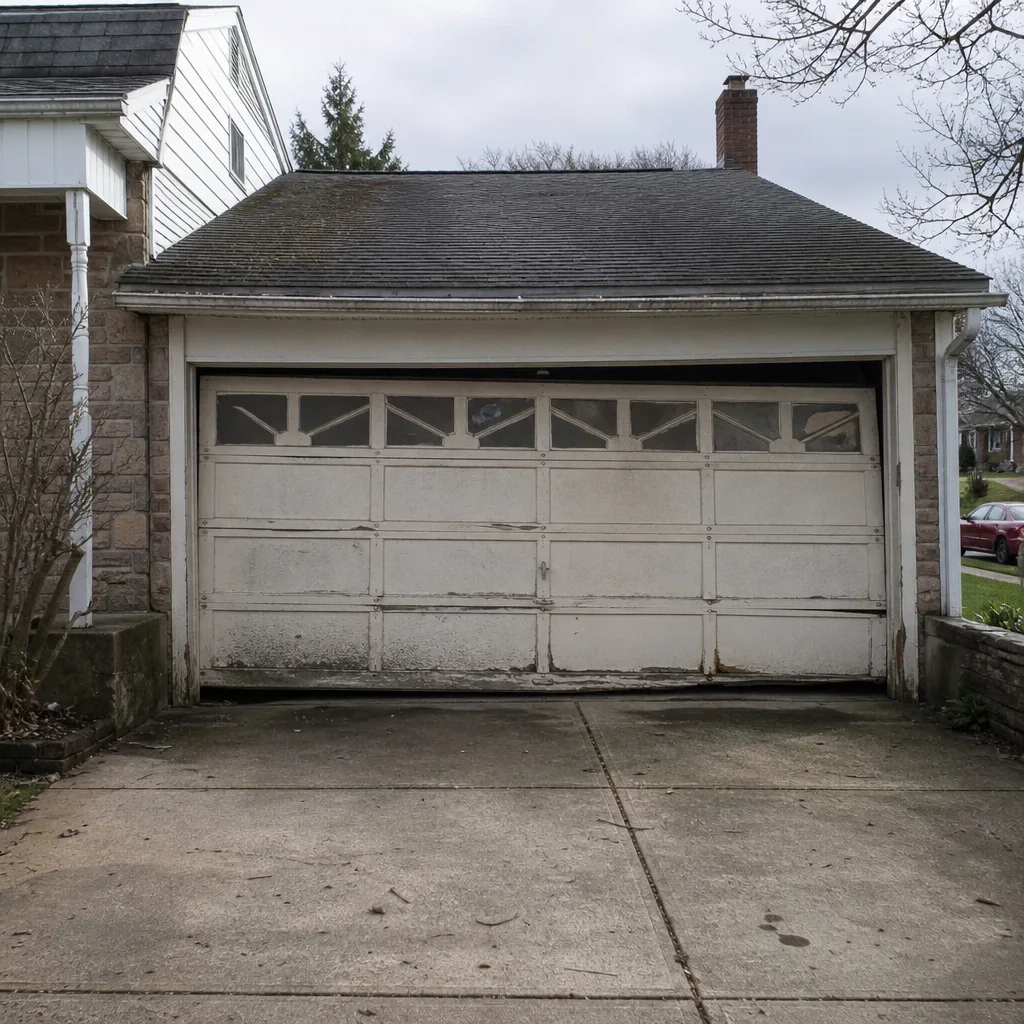 Before
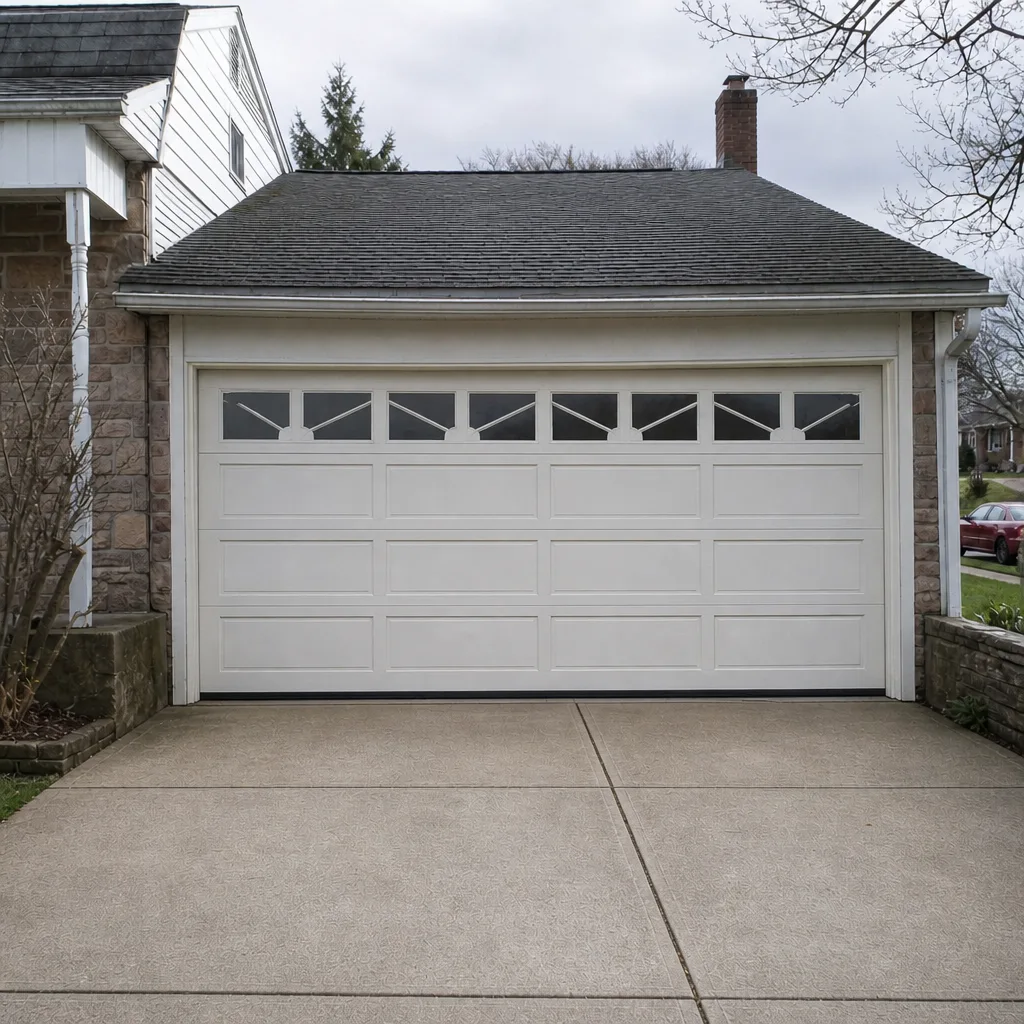 After
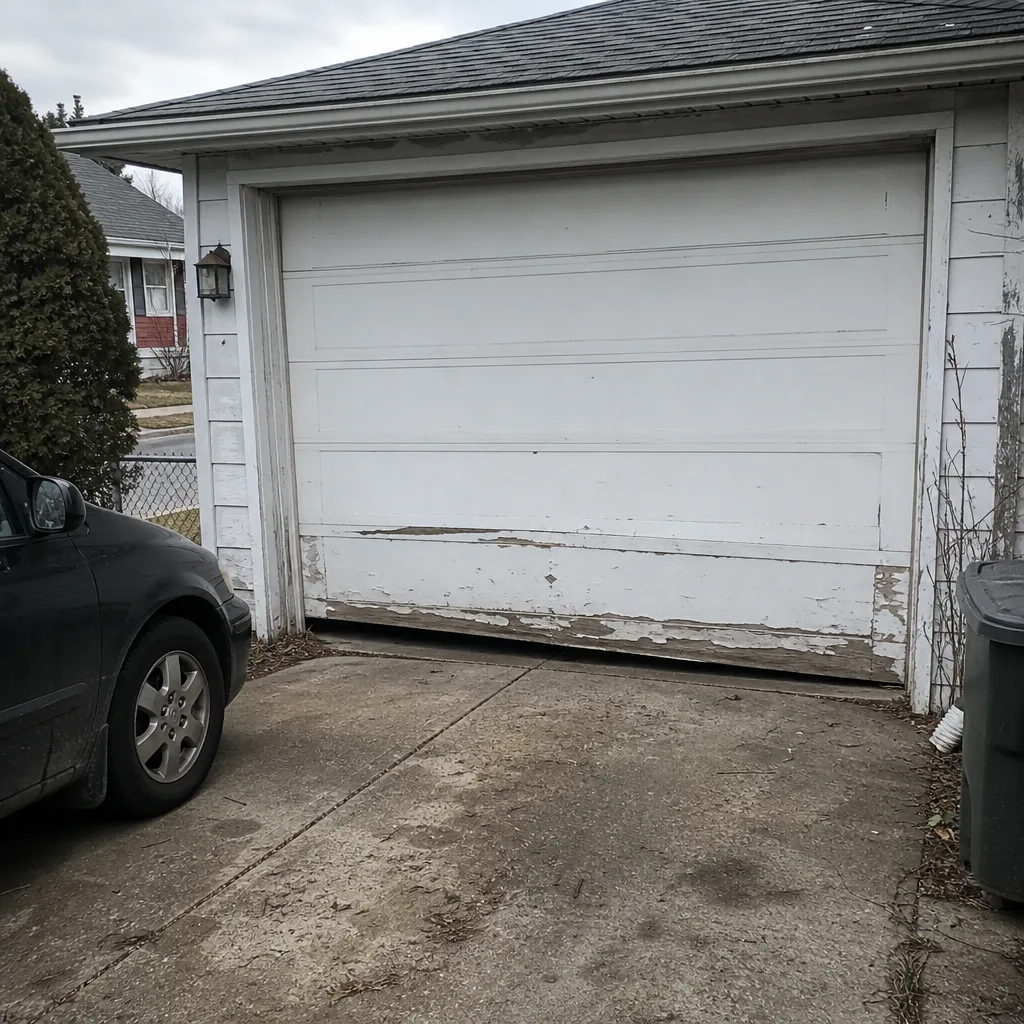 Before
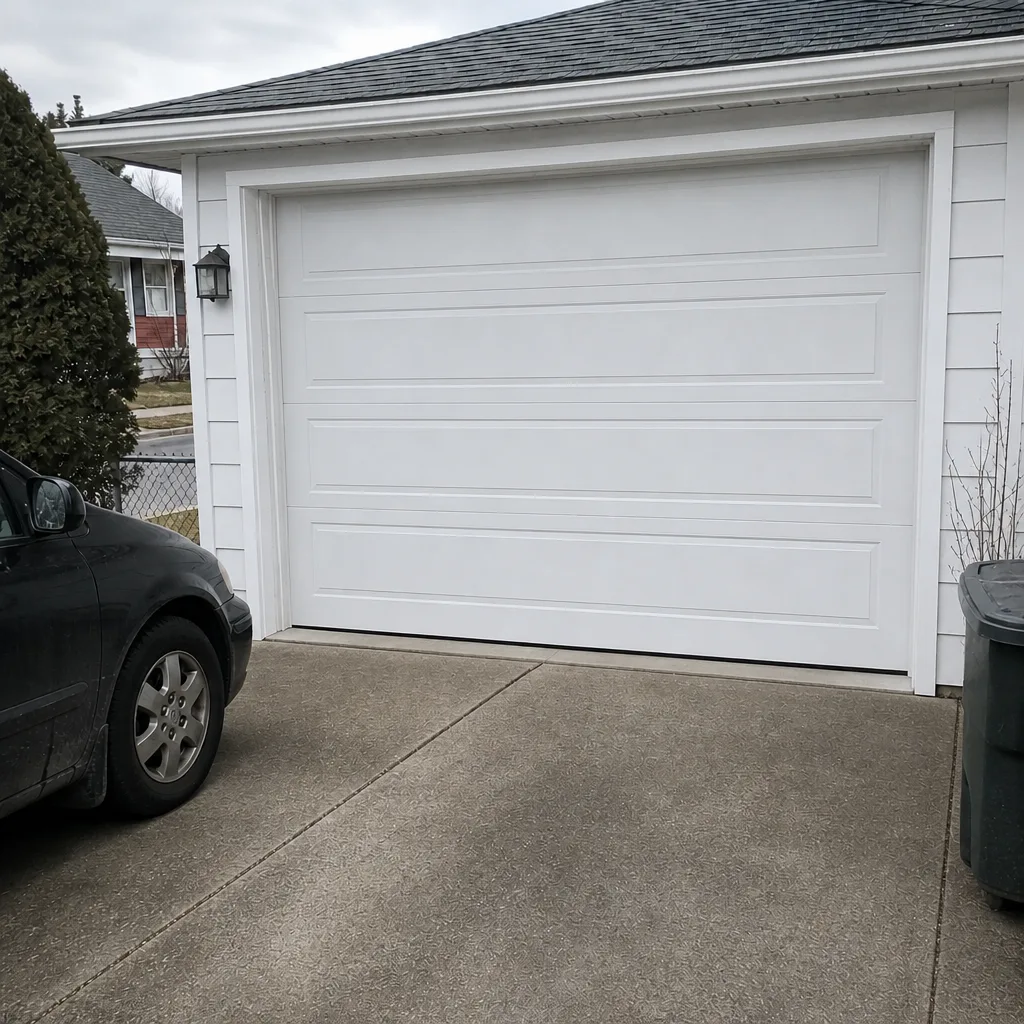 After
When to Call a Professional
Some situations call for a phone call before anything else. If your door has snapped a spring, come off the track, or left you locked out with a vehicle inside, an emergency visit makes sense, and our same-day garage door repair is set up for those calls, including outside standard business hours. If you’re planning a like-for-like replacement, an opener replacement, or a new installation and you’re not sure about the permit question, that’s a call too. Our technicians have up to 8 years of experience with the brands most Norristown homes actually have installed, including LiftMaster, Chamberlain, Genie, Clopay, Amarr, Wayne Dalton, Craftsman, and Raynor. We can tell you what we’ve seen work at the inspection stage and quote the job with a written price before any work starts. Norristown Garage Door Repair Pros offers free estimates in Norristown. Call (877) 492-4107.
Frequently Asked Questions
In most cases, a like-for-like replacement of a garage door in the same opening, same size, same type, same fire rating if applicable, does not require a permit in Norristown. Any change to the size, material, type, or fire rating, or adding an opener where none existed, generally does require a permit and inspection under the Pennsylvania UCC. Confirm the specifics of your job with the Norristown Borough code office before ordering the door, and call us at (877) 492-4107 if you want a second opinion on scope.
In most Norristown-area municipalities, adding a garage door opener where none previously existed is treated as electrical work and generally requires a permit. Replacing an opener on a door that already had one is usually treated as a repair and does not. If you’re not sure which category your job falls into, confirm with the borough. Call (877) 492-4107 and we’ll walk through it with you.
Each Montgomery County municipality enforces the Pennsylvania UCC independently, and interpretations vary. Application detail, inspection timing, and how strictly like-for-like replacements are treated can differ between Norristown Borough and an adjacent township, even for identical work. Confirm requirements with the municipality that has jurisdiction over your address, not the county or a neighboring township. If you want help understanding what we typically see in your area, call (877) 492-4107.
Unpermitted garage door work often surfaces during the buyer’s inspection, and the resolution is usually one of three paths: pulling the permit retroactively, documenting that the work was exempt, or crediting the buyer for the cost of correcting it. In our experience, the retroactive permit path can also surface additional issues during the site inspection. If you suspect past work was unpermitted, work it out with the municipality before listing. Call (877) 492-4107 if you want an honest read on what we think the borough will ask for.
Replacing a fire-rated garage door with another rated door of the same rating is often like-for-like, but replacing it with a non-rated door is a change to the assembly and generally requires a permit. If your garage shares a wall or ceiling with the living space, the fire rating has to be maintained. Confirm with the borough before ordering the door. Call (877) 492-4107 for a quote on a rated replacement.
A new garage door rarely raises your insurance premium on its own, but the fire rating and wind-load rating of the door matter if you ever file a claim tied to the door assembly. If you’ve installed an unrated door where a rated one belonged, your insurer may reduce or deny a related claim. Keep your permit and inspection paperwork with your policy documents, and call (877) 492-4107 if you want help verifying the rating of a door you’re considering.
The Bottom Line
Garage door permit rules in Norristown aren’t complicated once you know where the line is, but the line sits in a different place than most homeowners assume. True like-for-like replacement is usually exempt from permitting. Changing the door’s size, type, material, fire rating, or wind-load characteristics, or adding an opener where none existed, generally requires a permit and inspection. Norristown Borough and the surrounding townships apply the UCC differently, so confirm with your local code office before you order a door. Keep every permit and inspection record with your closing documents, and if a contractor is reluctant to pull the paperwork, ask why. The cost of doing it right is small; the cost of discovering it at resale is not.
Ready for a Free Estimate?
If your garage door needs repair, a spring replacement, an opener install, or a full door replacement in Norristown, our team is ready to help. Call Norristown Garage Door Repair Pros at (877) 492-4107 for a free estimate. We’ll tell you what the job will need, what the permit question looks like, and what the price will be before any work begins.
Written by the team at Norristown Garage Door Repair Pros.
Sources and related reading: our guide to torsion and extension spring replacement covers what a spring job involves and why it’s not a DIY task. Confirm permit requirements directly with Norristown Borough or your local township code office; this guide is general and doesn’t replace a code determination for your specific address.