Last updated November 23, 2026
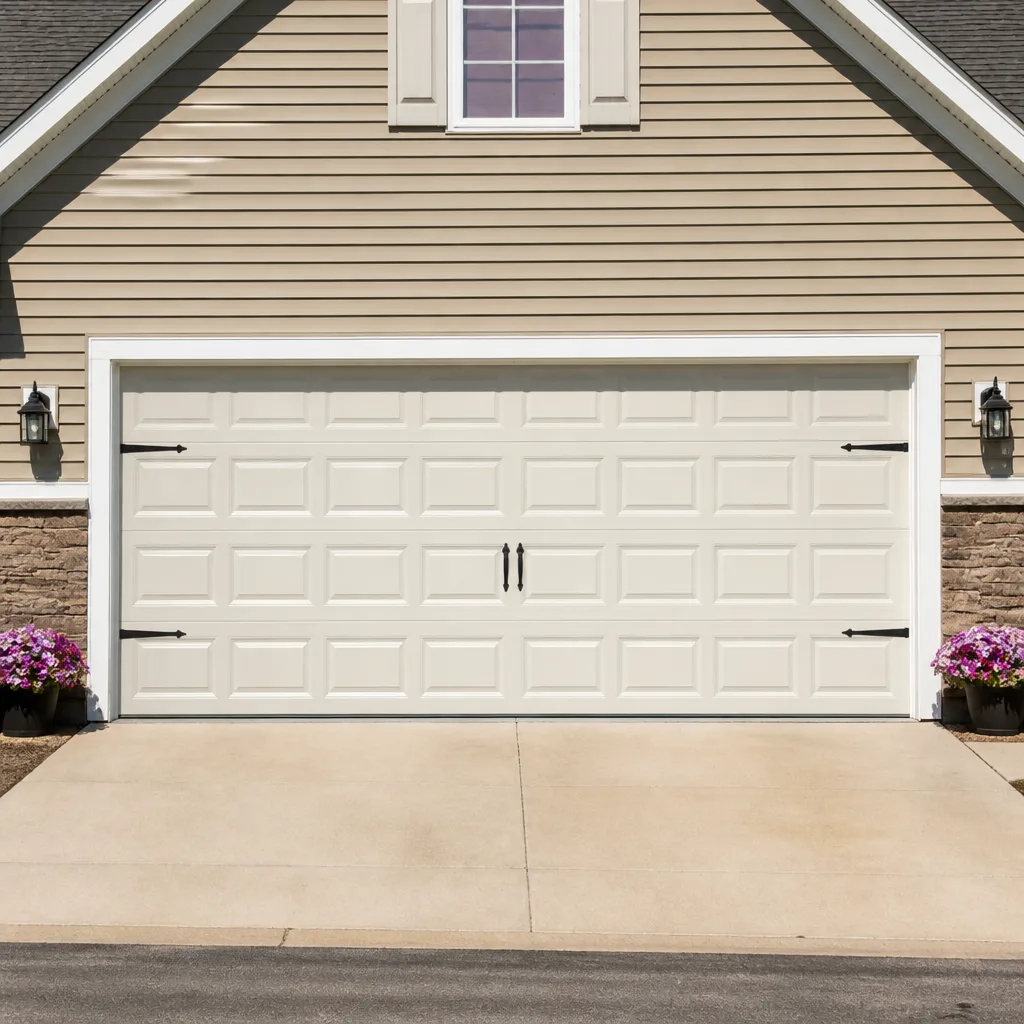 Raised-panel steel
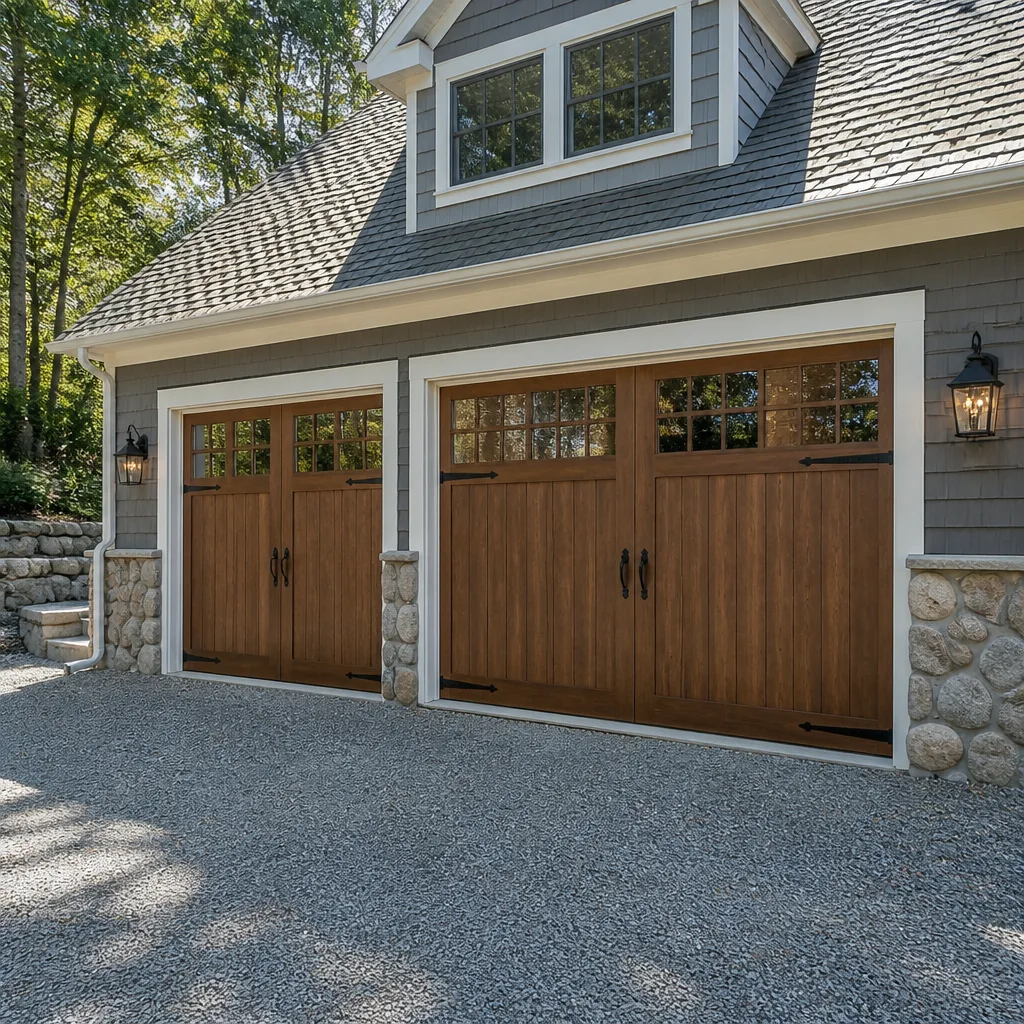 Carriage house
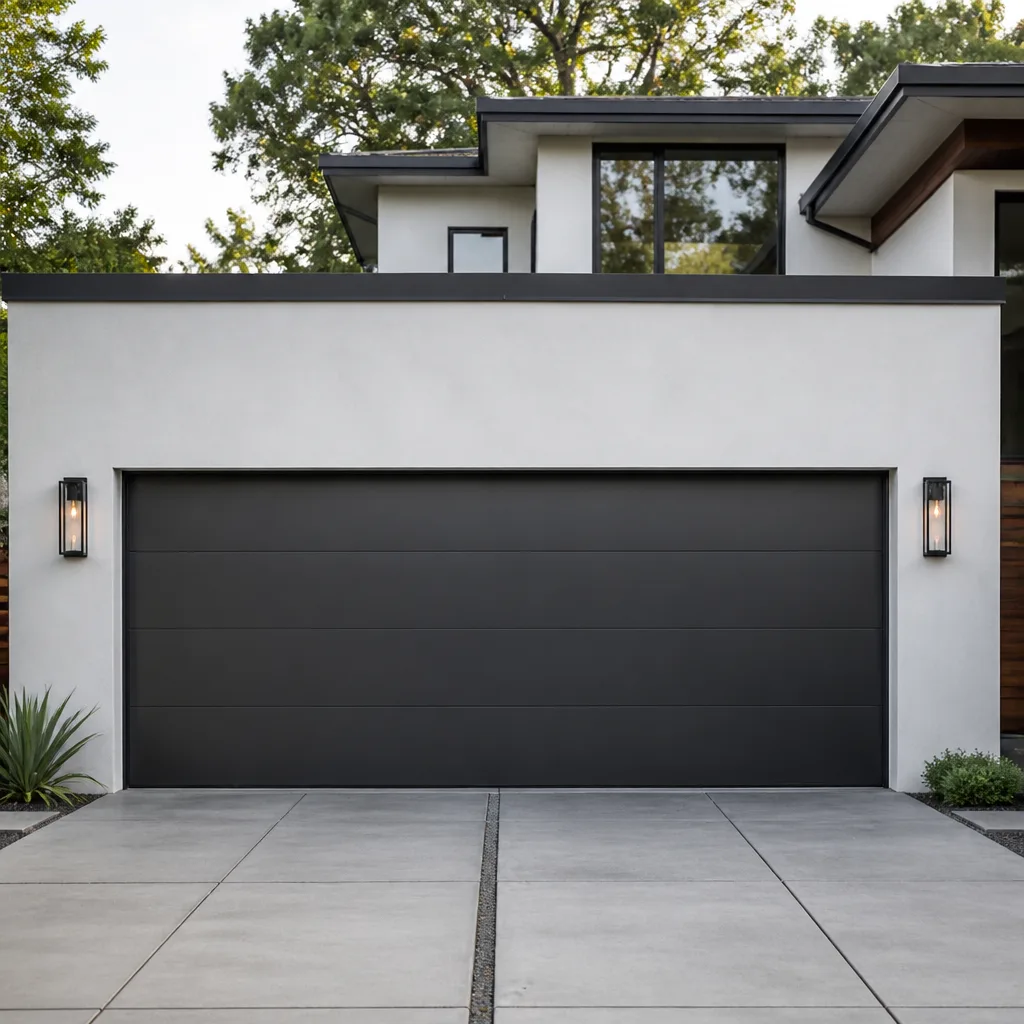 Modern flush
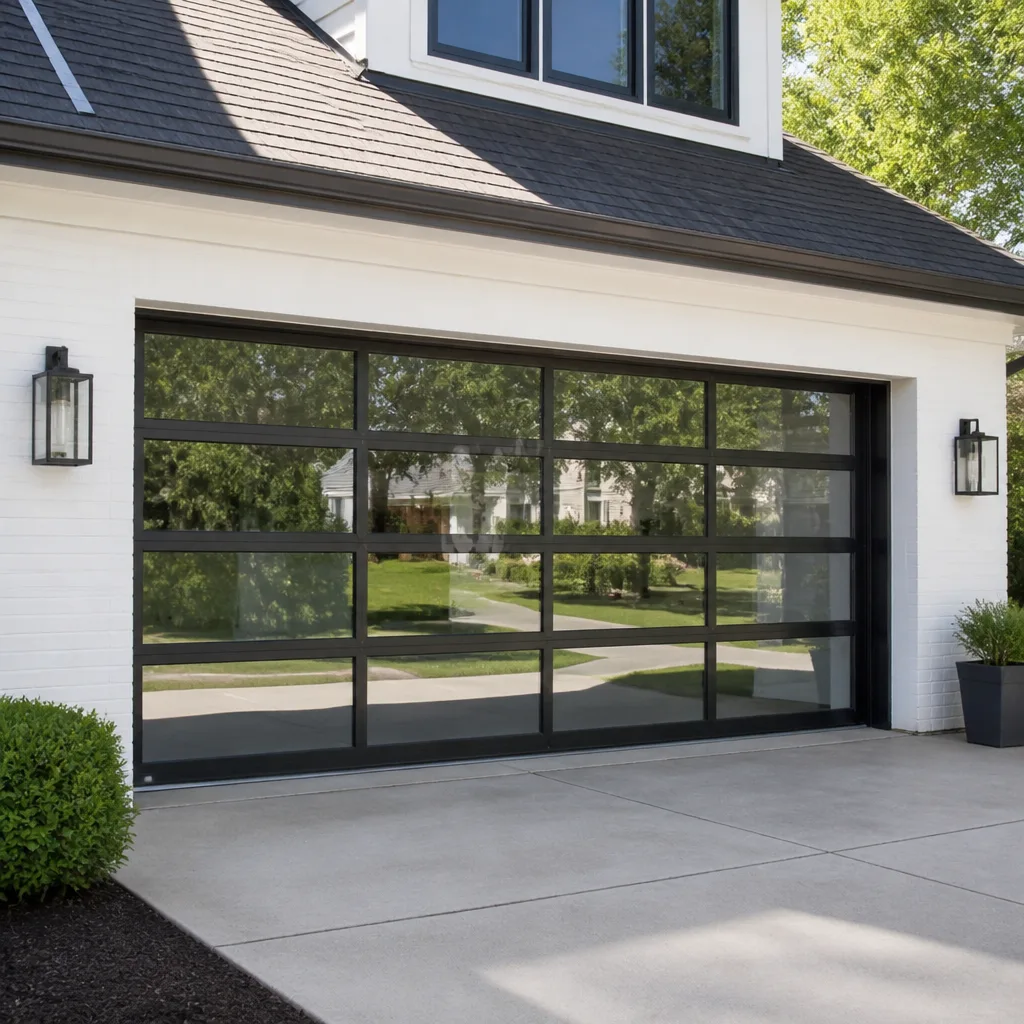 Full-view glass
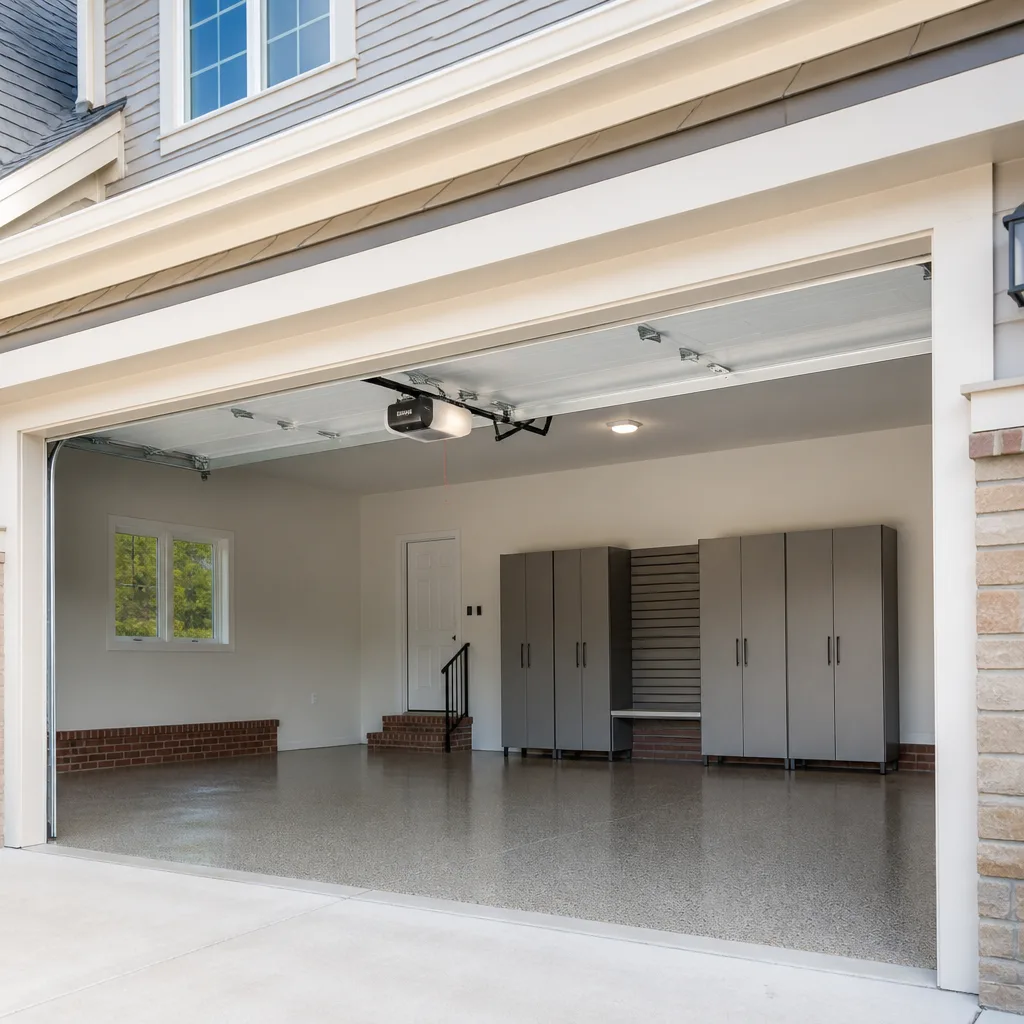 LiftMaster openers
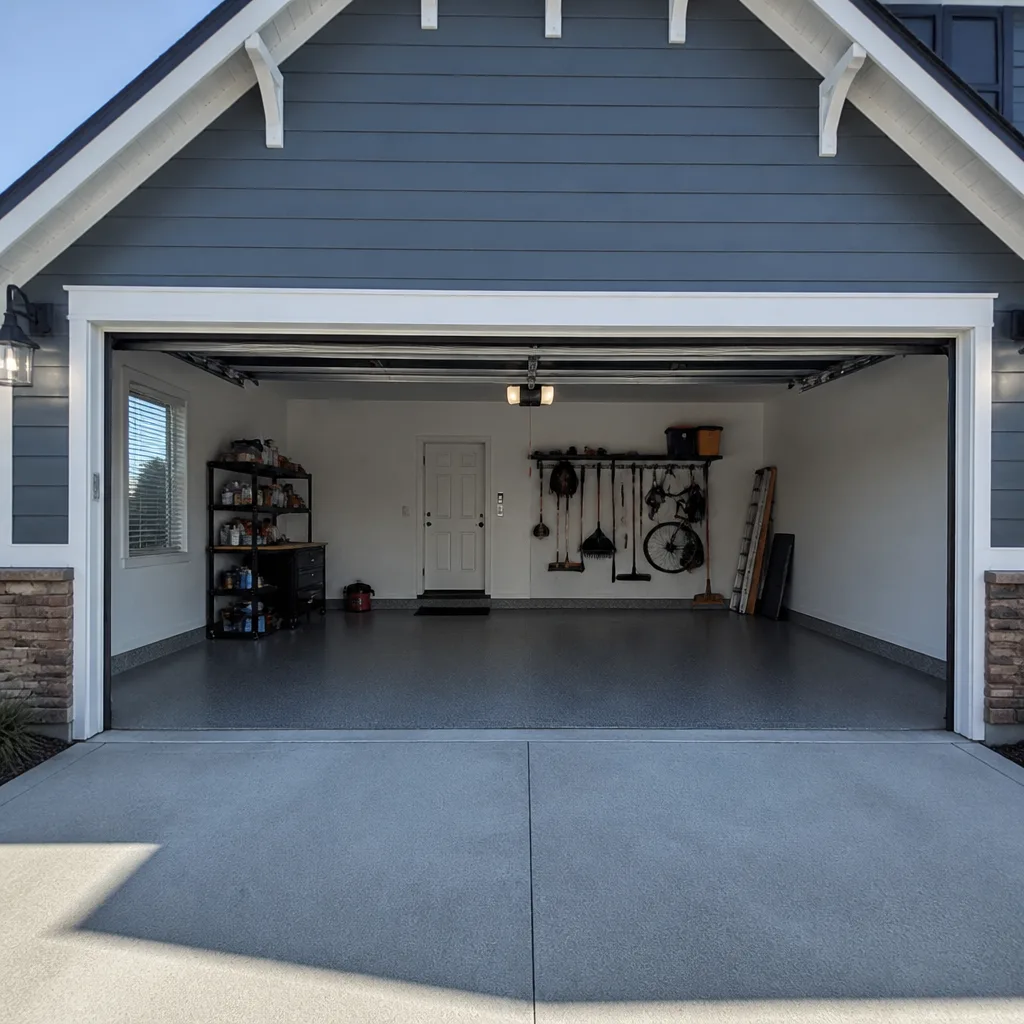 Chamberlain openers
Full 25-point door and opener safety check with every visit - springs, cables, rollers, tracks, and your LiftMaster or Chamberlain opener included
You get a price before we start. It does not change when the pro arrives.
Get your free estimateDIY vs Professional Garage Door: The Norristown Homeowner’s Decision Guide
Homeowners successfully replace their own garage door panels and bottom seals every day. Homeowners also end up in the ER with torsion spring injuries every week. The tasks that belong in each category are specific, and they aren’t the ones most people guess. It isn’t a question of how handy you are. It’s a question of which parts of a garage door store mechanical energy, which repairs touch the tension that holds a 200-pound door in the air, and which jobs quietly void the warranty on the opener you bought two years ago. This guide draws those lines task by task, with the local details that matter for a Norristown homeowner.
Quick Answer
For a Norristown homeowner, the safe DIY list is short: panels, bottom seals, weatherstripping, lubrication, tightening visible bolts, and cleaning photo-eye lenses. Everything that involves torsion springs, cables, drums, or the counterbalance system belongs with a trained technician because those parts hold extreme stored energy. Opener replacement sits in the middle – it’s doable for some, but warranty terms and door balance make professional installation the better call for most.
Styles & brands we work with
- Raised-panel steel
- Carriage house
- Modern flush
- Full-view glass
- LiftMaster openers
- Chamberlain openers
Table of Contents
- Why the DIY Line Isn’t About Skill
- What’s Actually Safe to Do Yourself
- The Four Tasks That Belong to a Professional
- Warranty Consequences of DIY Work
- DIY Opener Installation vs Professional: Where the Math Works
- Pennsylvania Liability and Your Homeowner’s Insurance
- The Hybrid Approach: Prep Work That Lowers Your Bill
- What’s Different About a Garage Door in Norristown
Why the DIY Line Isn’t About Skill
Most homeowners assume the DIY decision comes down to how confident they feel with tools. It doesn’t. A garage door is a counterbalanced machine, and nearly every part of it is under constant load. The door itself weighs between 130 and 350 pounds depending on material and width, and the springs are wound to hold most of that weight so a small opener motor can lift it. That stored energy is the dividing line.
A capable homeowner can swap a dented panel, replace a cracked bottom seal, or adjust a photo-eye bracket. Those jobs involve fasteners and alignment, not tension. They’re reversible and forgiving. The jobs that scare seasoned contractors involve torsion springs, extension springs, cables under tension, and the drums the cables wind around. A torsion spring on a standard seven-foot door is typically wound with dozens of quarter turns. Release that energy incorrectly and the result isn’t a broken door, it’s a flying piece of steel.
In our experience, the homeowners who get into trouble are usually the ones most comfortable with tools. Confidence reads the spring as just another part. The trained eye reads it as a loaded mechanism that needs a winding bar, a specific sequence, and a clear understanding of which way the tension runs. That’s why we treat spring work as its own dedicated service rather than a line item on a general repair list. In Norristown, where most homes have attached garages and the door is the main daily entrance, a failed spring shuts down the household routine, not just the car.
What’s Actually Safe to Do Yourself
There’s a real list of tasks a reasonably capable homeowner can handle without touching stored energy. Some save money. Some just save a phone call.
- Bottom seal replacement. The rubber seal at the base of the door presses into a channel and slides out. It’s the most common wear item on any door, and replacing it stops drafts, water intrusion, and the whistling noise on windy days.
- Weatherstripping and side seals. The vinyl or brush seals along the jambs and header are fastened with nails or screws. Replacing worn strips is straightforward and keeps leaves, mice, and cold air out of the garage.
- Panel replacement on a sectional door. A single dented section can often be swapped without disturbing the springs, provided the door is fully closed and the panel is the same model. This is where brand knowledge matters – a Clopay panel doesn’t fit an Amarr door, and profiles vary within a brand over the years.
- Lubrication. A garage door has hinges, rollers, and a track that benefit from a proper garage-door lubricant a couple of times a year. This is the cheapest preventive task on the list.
- Tightening visible bolts. The bracket bolts on the door panels and the track bolts loosen over time. Snugging them with a socket wrench reduces rattle and improves alignment.
- Photo-eye cleaning and alignment. The two small lenses near the bottom of the tracks get dusty, and a misaligned eye stops the door from closing. Wiping them and nudging the bracket back into line is safe and fixes half of all “door won’t close” calls.
- Track cleaning. Wiping debris out of the track channel is fine. Bending or repositioning the track is not – see the next section.
If a task isn’t on this list, treat it as professional work until you’ve confirmed otherwise. That’s a conservative rule, and it’s the right one for a machine holding a few hundred pounds of tension over your car.
The Four Tasks That Belong to a Professional
These are the jobs where the gap between “seems manageable” and “actually safe” is widest. We’ve seen the aftermath of each one, and this is where the DIY cost-benefit calculation breaks down hard.
- Torsion spring replacement. The torsion spring is mounted on a shaft above the door and holds the door’s weight through the cables. Replacing one requires releasing the tension safely, removing the old spring, installing the correct replacement, and winding it to the right number of turns for the door’s weight and height. The wrong winding count leaves the door unbalanced or the spring overloaded. This is high-stakes work, and it’s why we keep spring repair as a named specialty rather than a general handyman task.
- Extension spring replacement. Older Norristown homes with one-piece or older sectional doors often have extension springs running along the horizontal tracks. They stretch rather than twist, and they fail by breaking loose. Extension springs are supposed to have a safety cable running through them, and a missing or rusted cable is a genuine hazard. Don’t reach into a track with a broken extension spring.
- Cable and drum work. The cables carry the door’s full weight at the drums. A cable that’s slipped off its drum, frayed, or snapped means the door is being held by nothing but the springs. Re-spooling a cable is precision work done with the door under controlled tension. It is not a job for a homeowner with a pry bar.
- Track straightening and roller replacement on a loaded door. A bent track needs to be replaced or straightened with the door properly supported. Replacing a roller that’s broken or worn sounds simple until you’re working on a door that’s holding tension on a bent track.
On every one of these, the safety caveat is real. Torsion and extension springs, cables, and drums are under extreme tension, and a failure can cause serious injury or worse. That’s not a sales line. It’s the reason trained technicians use winding bars, controlled release procedures, and door-specific replacement parts. If a spring has snapped, leave the door down, keep the car out of the garage, and call a professional.
Warranty Consequences of DIY Work
Warranty terms vary by manufacturer and by product line, so read the paperwork that came with your door and opener. That said, the pattern across the major brands you’ll find in Norristown garages is fairly consistent.
Door manufacturer warranties. Clopay, Amarr, Wayne Dalton, and Raynor all sell sectional doors with warranties that cover the panels, hardware, and finish. Most of these warranties exclude damage caused by improper installation or repair, and several require professional installation to keep the coverage intact in the first place. Replacing a panel yourself with the right part usually doesn’t void anything. Drilling a new hole for an opener bracket or forcing a track into alignment can void a hardware warranty fast.
Opener warranties. This is where DIY gets expensive. LiftMaster and Chamberlain residential openers typically carry a limited warranty on parts and motor, and the terms generally assume professional installation. A DIY opener install that’s wired incorrectly, mounted to a door that isn’t balanced, or paired with an incompatible rail can void the warranty before the first year is out. Genie and Craftsman openers follow a similar pattern. If the opener fails because of how it was installed, you’ll likely be paying for the replacement yourself.
The gray area. Routine maintenance – lubrication, seal replacement, bolt tightening – almost never voids anything as long as it’s done correctly. The gray area is anything that changes the door’s setup: spring adjustment, track movement, opener mounting. When the door later fails, the manufacturer’s first question is who did the work and how. That’s a harder question to answer after a DIY repair than before one.
If your opener is already acting up, look at our garage door opener repair page before you start swapping parts. Some failures are simple and some are diagnosis problems, and knowing which is which saves money either way.
DIY Opener Installation vs Professional: Where the Math Works
Opener installation is the one job where the DIY math sometimes works. But it works in fewer cases than the internet suggests. Here’s the honest breakdown.
A standard chain-drive or belt-drive opener from a major brand runs a few hundred dollars as a kit. A professional installation typically adds labor, plus the cost of any required brackets, a new rail, or safety sensors. The savings on a DIY install look real on paper. Where they evaporate is in the callbacks.
- Door balance. An opener isn’t designed to lift the door’s weight – it’s designed to guide a balanced door. If your springs are tired or a cable is off, an opener install will technically work and then wear the motor out early. A professional checks balance before the opener ever goes up.
- Rail and header placement. The opener rail height, the header bracket position, and the door’s travel distance all interact. Get the header bracket a half-inch off and the door won’t fully close. That’s a callback.
- Wiring and safety sensors. The safety sensors must be positioned so the beam is uninterrupted and the wiring is protected. Sensors aren’t optional equipment – they’re a required safety feature, and a miswired or missing sensor is one of the most common reasons a DIY opener fails inspection.
- Smart-home and compatibility. Opener families differ in how they support Wi-Fi, wall controls, and smart integration. LiftMaster, Chamberlain, Genie, and Craftsman all have their own app ecosystems and wall control wiring. Getting the right module and pairing it correctly is easier with someone who installs that brand regularly.
Where DIY wins: If you’re replacing an existing opener with the identical model on an already-balanced door with correctly placed brackets and intact wiring, and you’re comfortable with the instructions, DIY is a reasonable call. The savings are real and the job is mostly mechanical.
Where DIY loses: If you’re changing from chain-drive to belt-drive, adding a smart controller, switching brands, or mounting an opener on a door you haven’t had inspected, the margin disappears. A new opener that doesn’t match the door’s rail height or your existing wiring becomes a multi-visit problem, and the installer’s labor is cheaper than the second opener you buy after the first one fails.
For spring replacement specifically, the pricing is straightforward enough that DIY makes little sense. A single torsion spring replacement typically runs a low-to-mid hundreds range in the Norristown market. A matched pair costs roughly twice a single spring because both should be replaced together when one fails. Compare that to the cost of a torsion spring injury and the decision writes itself.
Pennsylvania Liability and Your Homeowner’s Insurance
Here’s the part most DIY guides skip entirely. If a garage door repair you did yourself later causes property damage or injury, your homeowner’s insurance will investigate how the work was done. That investigation looks at two things: whether the damage was caused by a faulty repair, and whether the policy covers it at all.
Pennsylvania homeowner’s policies typically exclude damage caused by faulty or improper workmanship, and they can deny claims for losses that stem from a repair the homeowner performed incorrectly. The most common scenarios are these:
- A door panel that let go because a track was forced back into line and the door came off the rail, damaging a car or a wall.
- An opener that was miswired and caused an electrical fire or short.
- A spring failure that resulted in a vehicle being hit when a door released unexpectedly.
- A person injured by a door that closed on them because the safety sensors were bypassed or misaligned.
In each of these, the insurance adjuster will want to know whether the repair was done by a professional, and whether the work met the expected standard. If the answer is “the homeowner did it,” the claim becomes much harder to collect. That’s a liability issue, not just a warranty one. A properly licensed and insured professional working on your door gives your insurer someone else to point at, which is how the system is designed to work.
This is also why it’s worth confirming your pro is licensed and insured as their state requires. Ask for the proof before the work starts, not after. For the rest of the repair picture in Norristown, our garage door repair page covers what a typical service visit looks like.
The Hybrid Approach: Prep Work That Lowers Your Bill
The most cost-effective approach is often neither full DIY nor full professional. It’s doing the safe work yourself and calling in a pro for the dangerous part. This hybrid approach shaves billable time without putting you near a loaded spring.
- Clear the garage floor and the area under the door. A technician working a cluttered bay wastes time moving bikes and boxes. Do this before the visit and the job starts on time.
- Write down exactly what the door is doing. Does it shake, bind, reverse, or leave a gap? Does the opener light blink a code? A note with symptoms saves the diagnostic step, which is often the first billable item on a repair call.
- Note the door and opener models. The model numbers are on the door’s edge label and the opener’s head unit. If you can read them, you can tell us the brand before we arrive, and we can confirm what the job will need. We work on the eight brands we’re certified to service – LiftMaster, Chamberlain, Genie, Clopay, Amarr, Wayne Dalton, Craftsman, and Raynor – and knowing which one you own speeds everything up.
- Replace a worn bottom seal yourself. This is the single best DIY task for saving a trip. It’s cheap, safe, and stops drafts entering the house through the garage.
- Lubricate the hinges and rollers ahead of the visit. It won’t fix a failed spring, but it eliminates the parts of the noise that aren’t the problem. Tell the tech what you already did so no time is wasted on it.
- Leave the springs, cables, and tracks alone. Even inspecting them is risky if a spring is broken or a cable is loose. A look with a flashlight from across the garage is fine. A reach into the track is not.
This pattern is especially useful in Norristown, where a lot of homes have single-car garages with the door doing double duty as the main entry and the storage access. Prep work keeps the job moving and lets the technician focus on the part that actually needs a trained hand.
What’s Different About a Garage Door in Norristown
A garage door doesn’t fail the same way everywhere. Norristown sits along the Schuylkill in a mix of older borough homes and newer construction, and both bring their own patterns.
Older homes around the downtown blocks often have narrower garages and lower headroom, which means torsion spring setups and opener rails that need careful measurement before anything gets replaced. The older doors in the borough are often wood or early steel models, and some are one-piece tilt doors, which behave differently from sectional doors and require different hardware. Spring replacement on those older doors needs to match the door’s weight specifically, not just its size.
Seasonally, Norristown gets cold enough in winter that the bottom seal hardens and the door starts to leave a gap at the floor. That gap lets cold air and moisture into the garage, and if the garage is attached, into the house. It’s why bottom seal replacement is one of the most useful homeowner tasks here. The freeze-and-thaw cycles can also open small cracks in the driveway slab that lift the door unevenly, causing the door to bind on one side. If your door has started catching at one lift point in the spring, that’s usually a floor issue rather than a spring issue.
The spring itself fails more often in the colder months, when the metal is less forgiving. If you hear a loud snap from the garage on a cold morning, don’t try the door. The opener will pull a door that has no counterbalance, and that put stress on the opener, the cables, and the door panels. This is the point where trained spring work is the answer, and our garage door spring repair page covers what that visit involves.
For a wider look at Norristown garage door service, including emergency calls, start at the Norristown Garage Door Repair Pros home page. If you have a Raynor or Craftsman door that’s been giving you trouble, that brand depth matters more than the nearest general handyman.
Common Mistakes to Avoid
- Winding a torsion spring by feel. The number of turns depends on the door’s height and weight, and each quarter turn is loaded energy. There’s no “close enough” here – the door ends up unbalanced and the spring overworked.
- Cutting an extension spring loose without a safety cable. When an extension spring fails without a cable running through it, it can travel. That’s why the cable exists, and why a rusted or missing cable is a genuine hazard.
- Bypassing the safety sensors to “get it working.” It gets the door closing and defeats the entire safety system. It’s also one of the first things an insurance investigator looks for after a garage door injury.
- Installing a new opener on an unbalanced door. The opener isn’t meant to lift the door, and installing one on tired springs wears out the motor and stresses the rail. Balance first, opener second.
- Forcing a bent track back into line. Track work on a loaded door is a professional job, and a track that’s been forced can pull the door off the rollers without warning.
- Assuming the panel you bought is the panel you need. Norristown has a mix of Clopay, Amarr, Wayne Dalton, and Raynor doors, and the panel profile and color match vary by model and year. The wrong panel leaves a gap that wind and rain find.
- Waiting until the door fails to inspect. A spring that’s sagging or a cable that’s frayed is visible before it breaks. A yearly look by a technician catches it early, when the repair is simpler.
See the difference
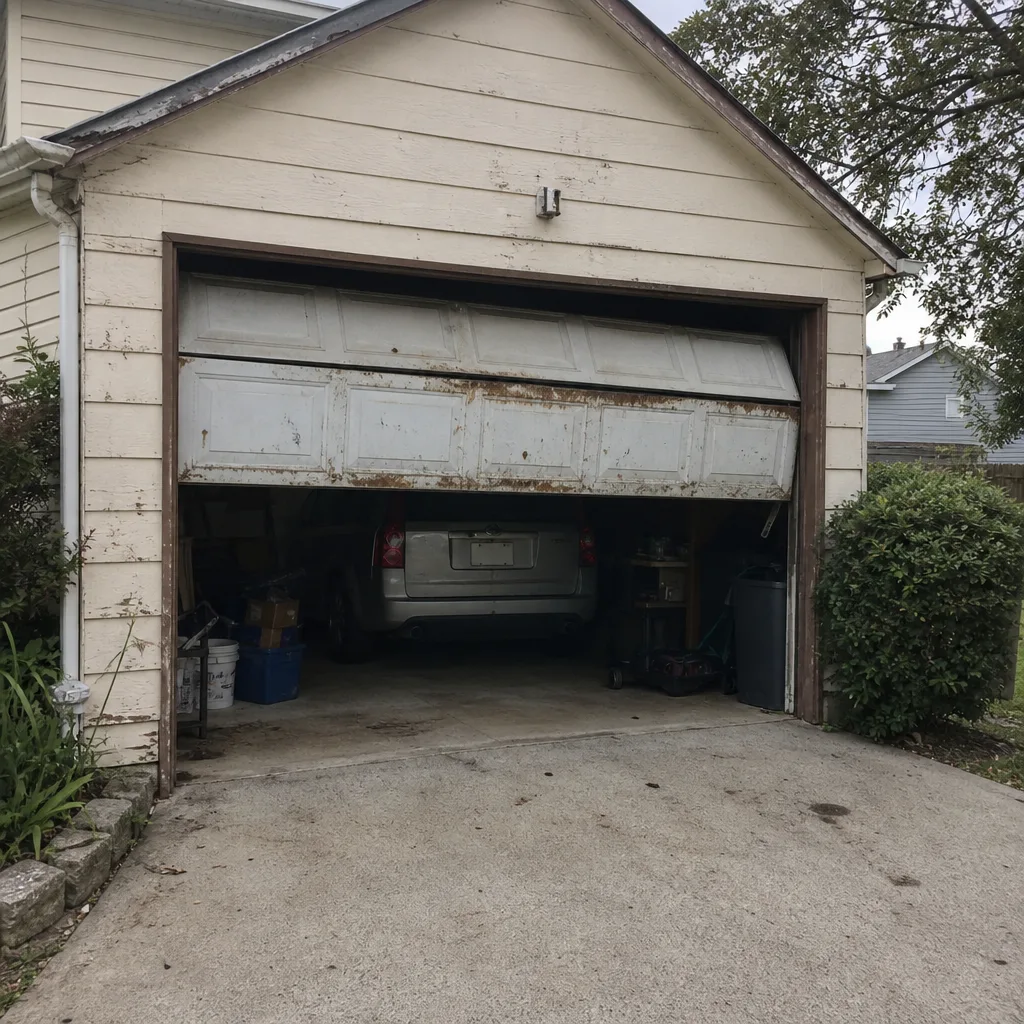 Before
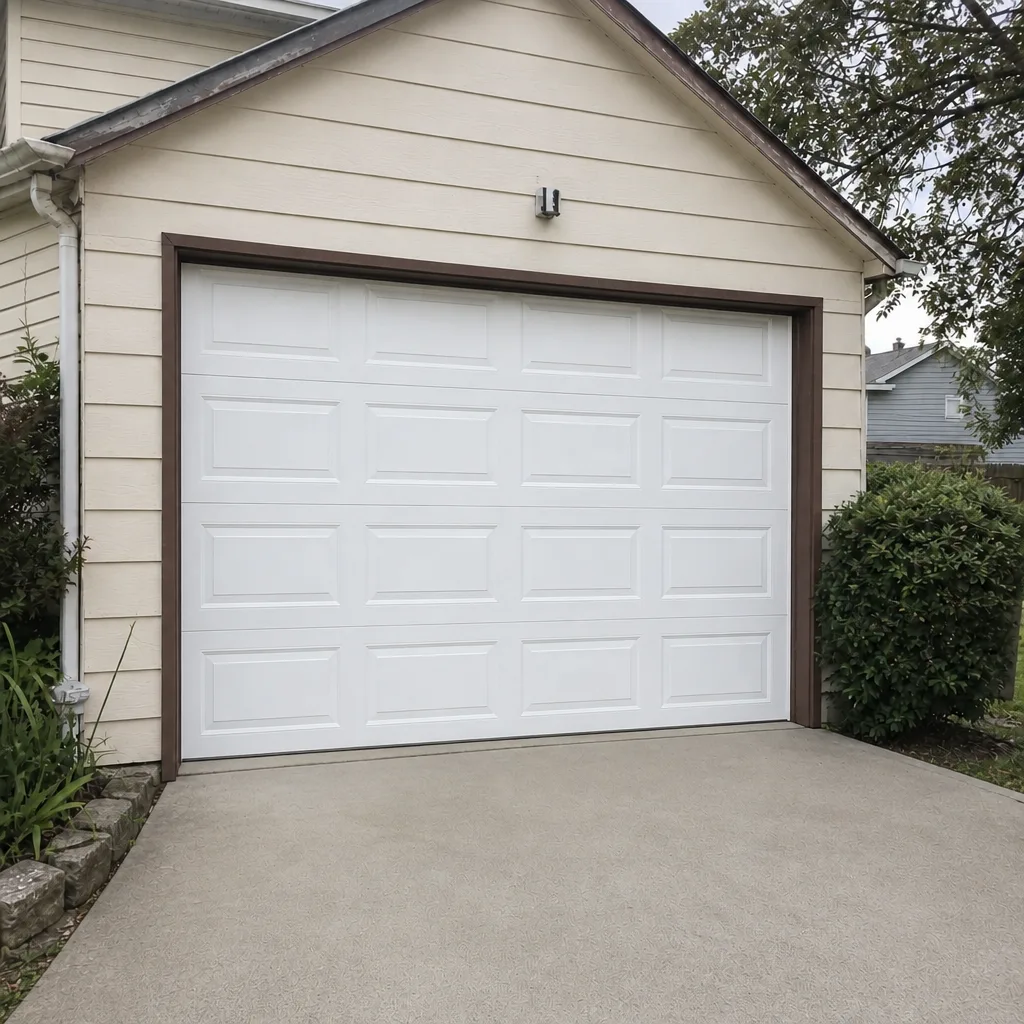 After
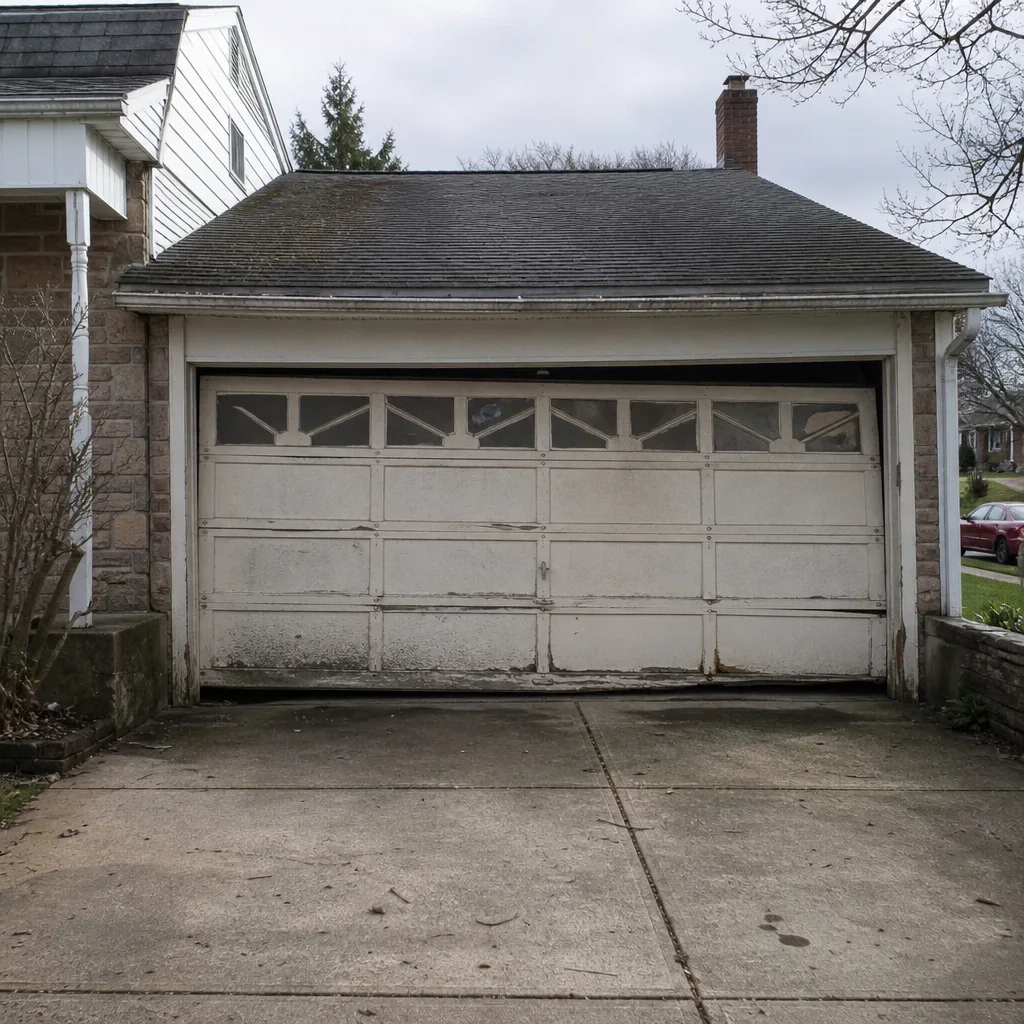 Before
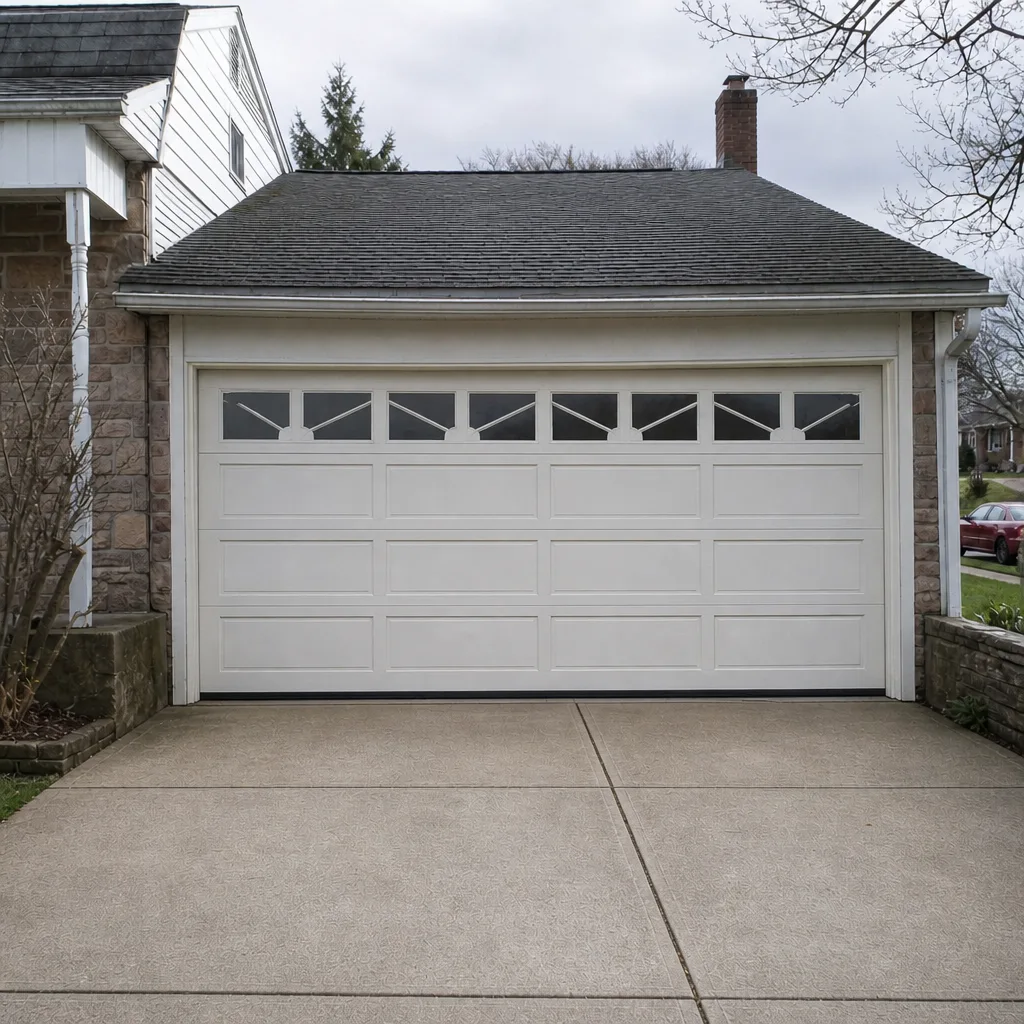 After
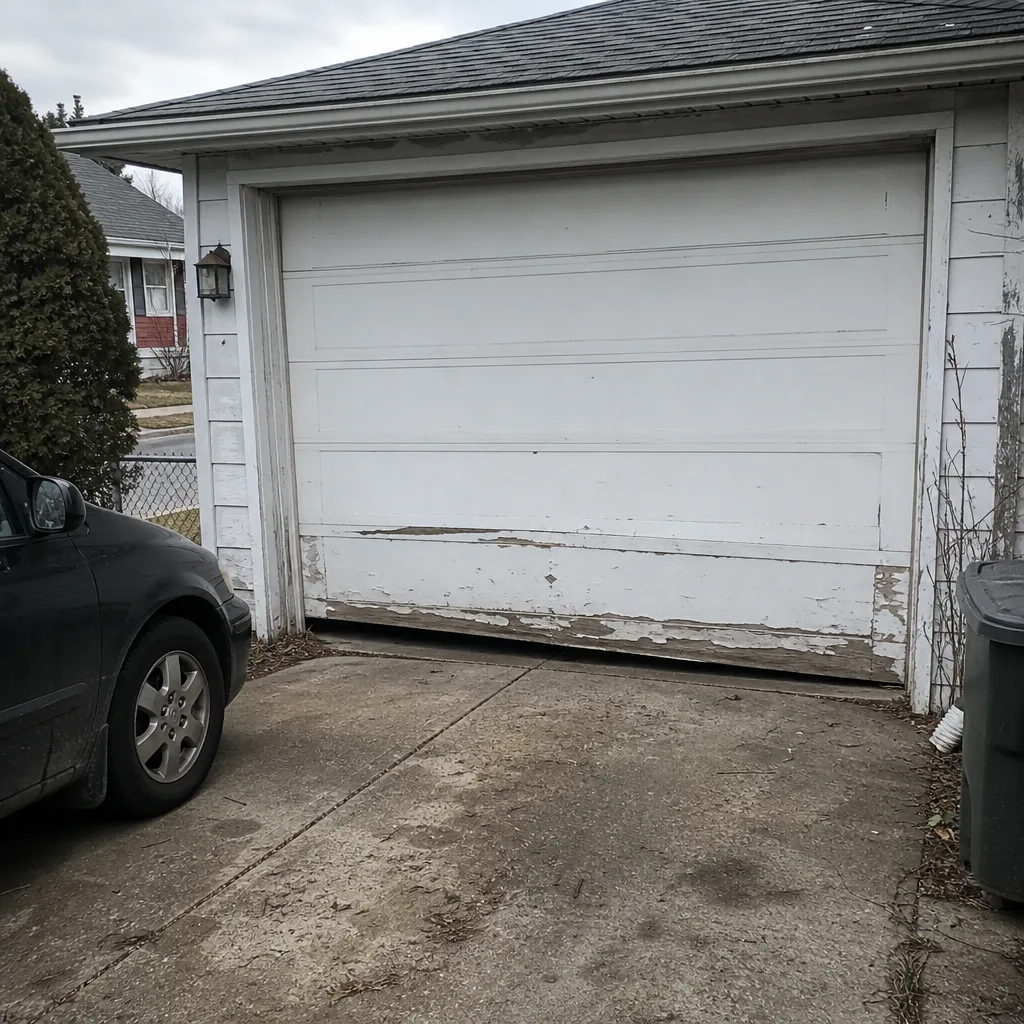 Before
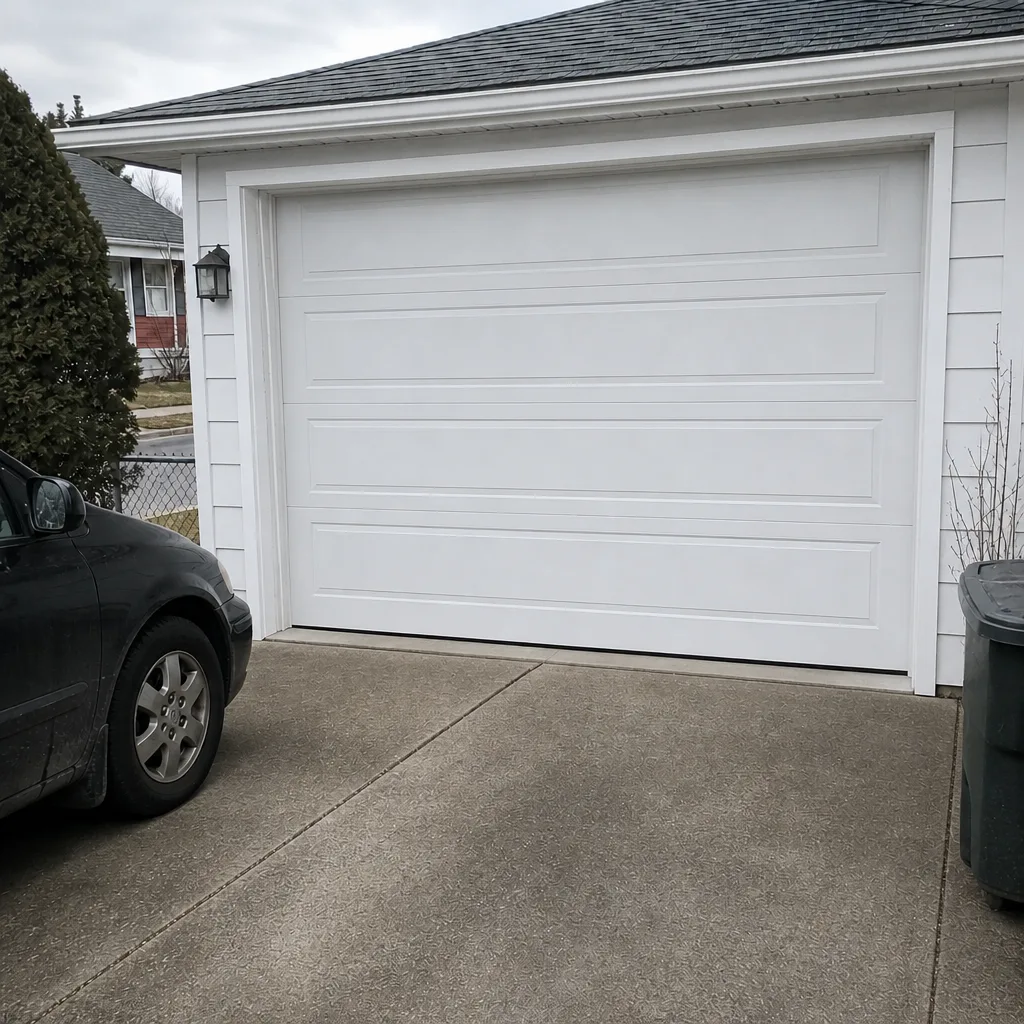 After
When to Call a Professional
Call a professional if a spring has snapped or is visibly sagging, if a cable is frayed, loose, or off its drum, if the door is off the track or hanging at an angle, or if the door won’t stay up when you lift it halfway. Call if you hear a loud snap, if the opener runs but the door doesn’t move, or if the door is leaning to one side. Call if a vehicle is trapped inside the garage and the door won’t open. And call if you’re in the middle of a DIY task and find yourself working against a loaded spring – stop, put the tools down, and let someone trained take over. Norristown Garage Door Repair Pros offers free estimates in Norristown – call (877) 492-4107.
Frequently Asked Questions
No. Torsion spring replacement involves extreme stored energy and requires correct winding to match the door’s weight and height. A single torsion spring replacement in Norristown typically runs a low-to-mid hundreds range, and a matched pair costs about twice that because both springs are normally replaced together. Call (877) 492-4107 for an exact quote – estimates are free.
Often, yes, depending on the manufacturer and the product line. Clopay, Amarr, Wayne Dalton, and Raynor warranties commonly exclude improper installation or repair, and LiftMaster and Chamberlain opener warranties generally assume professional installation. Read your specific paperwork, and when a repair touches springs, tracks, or opener mounting, let a professional do it. Not sure whether your work is covered? Call (877) 492-4107 – estimates are free.
Sometimes. A like-for-like replacement on an already-balanced door with correct wiring and brackets is reasonable DIY work. Anything that changes the brand, adds a smart controller, or involves a door you haven’t had inspected runs into balance, wiring, and sensor problems that eat the labor savings. Call (877) 492-4107 for a quote – estimates are free.
It may be denied. Pennsylvania homeowner’s policies typically exclude damage from faulty or improper workmanship, and a claim that traces back to a DIY repair is harder to collect. Professional, licensed and insured work keeps the responsibility with the person who did the job, which is how the policy expects it. Call (877) 492-4107 to have a pro look at it – estimates are free.
Yes, it’s still loaded. A torsion or extension spring is under tension even when the door is closed and the spring looks fine. Don’t adjust, lubricate, or touch the spring yourself. Call (877) 492-4107 for a free estimate – we inspect springs safely.
We’re closed on Saturday and open Sunday through Friday, 7am to 7pm. Emergency garage door service is a core part of what we do for broken springs, stuck doors, and off-track doors, and we respond as quickly as we can when you call (877) 492-4107.
The Bottom Line
The DIY versus professional question for a garage door comes down to a single test: does the task involve stored energy? If it’s panels, seals, weatherstripping, lubrication, or photo-eye alignment, do it yourself and save the visit. If it’s springs, cables, drums, or track work on a loaded door, that’s professional territory, and the cost of doing it yourself is measured in injuries and voided warranties rather than dollars. The hybrid approach is the smart one for most Norristown homeowners: do the prep and the safe maintenance, and hand the loaded parts to a technician who works on your brand, from Craftsman and Raynor to LiftMaster and Chamberlain. Call Norristown Garage Door Repair Pros at (877) 492-4107 for a free estimate – the price is quoted and agreed before any work starts.
Written by the team at Norristown Garage Door Repair Pros.