Last updated November 23, 2026
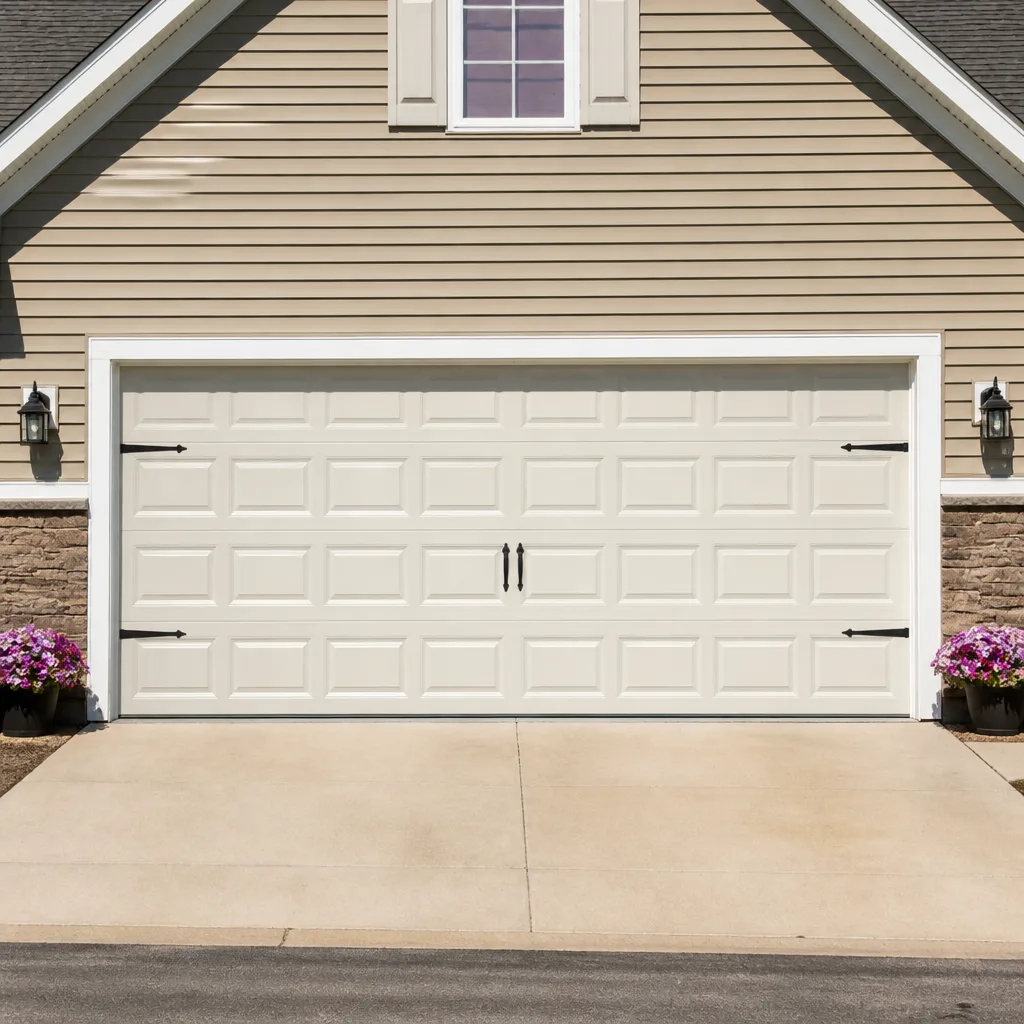 Raised-panel steel
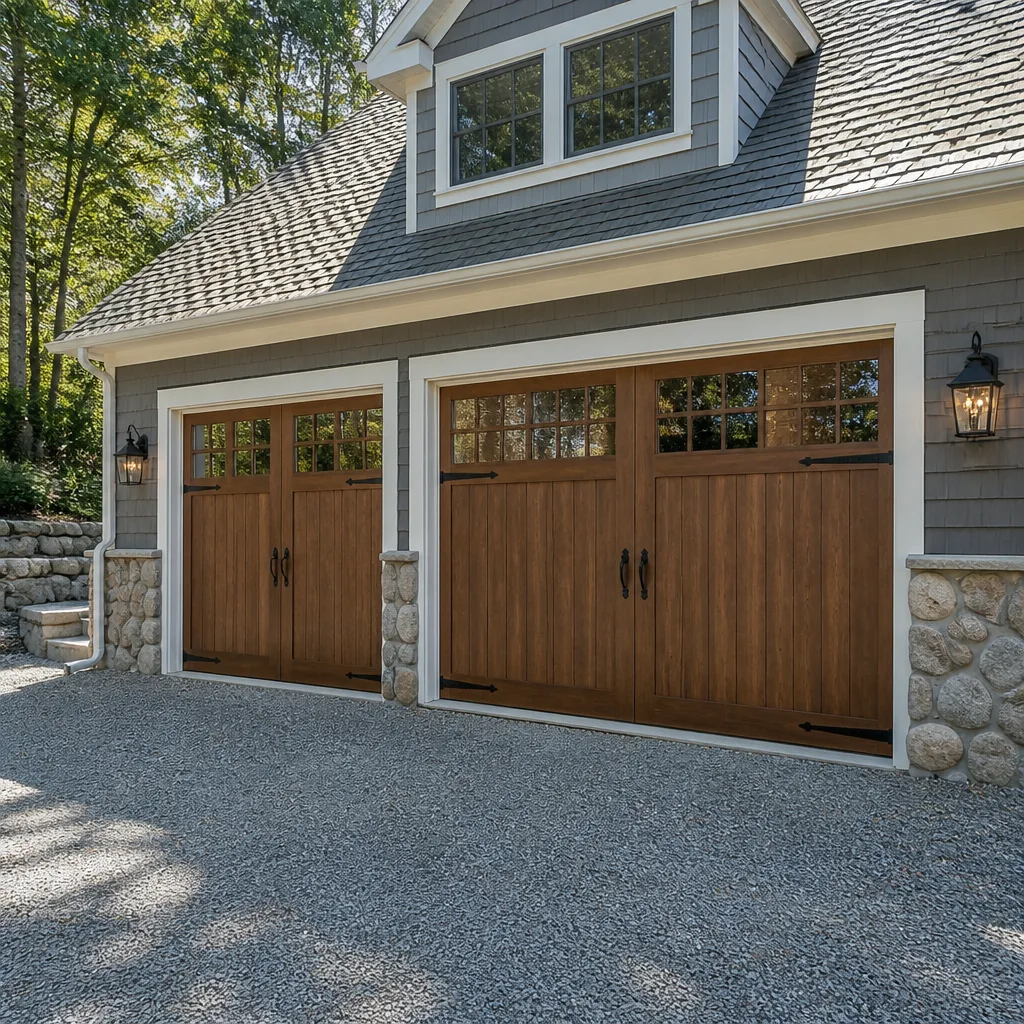 Carriage house
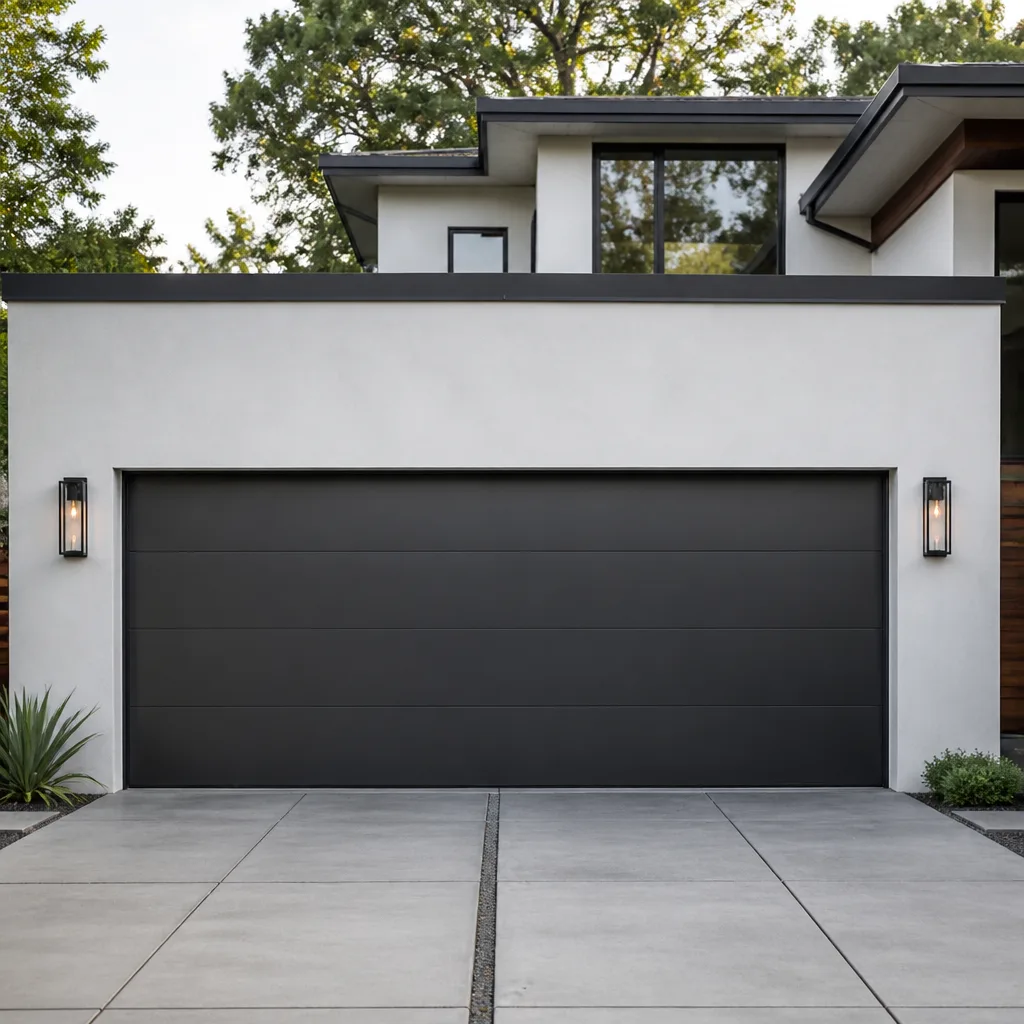 Modern flush
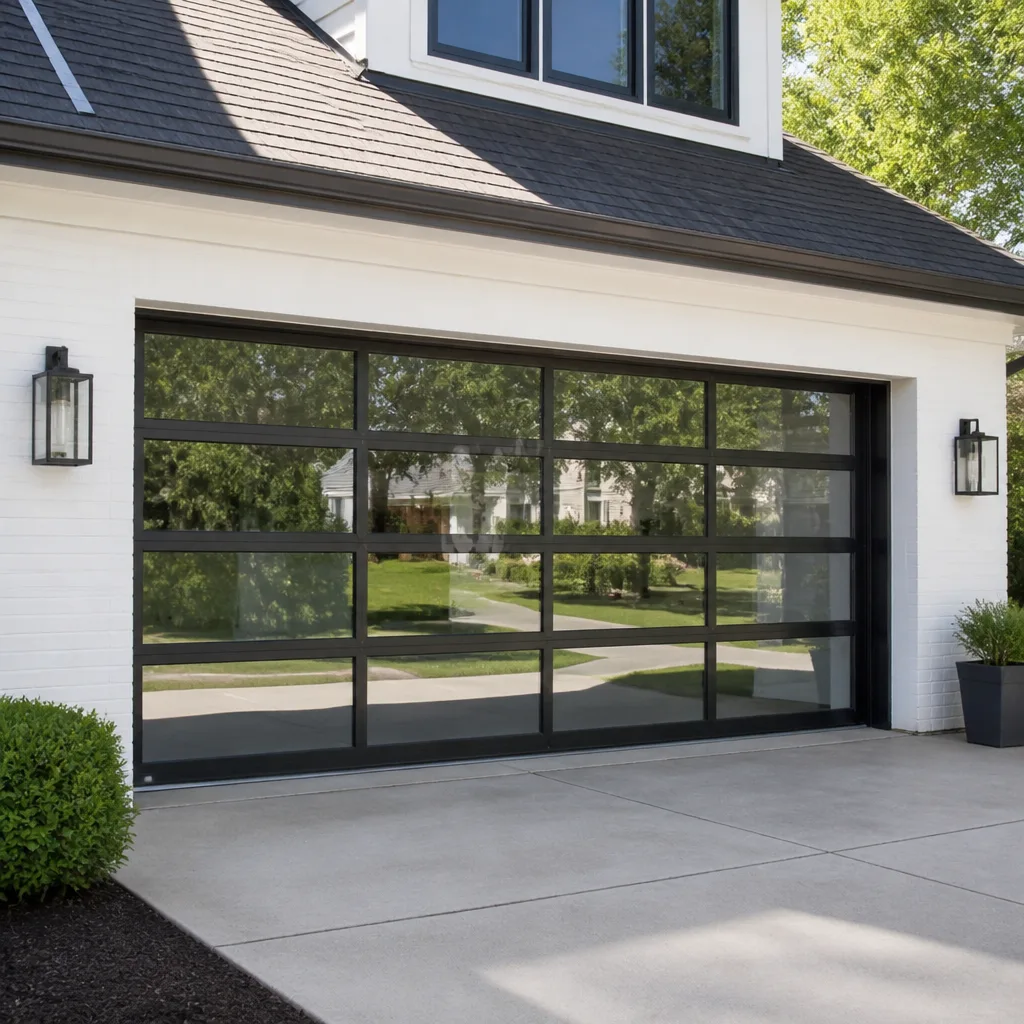 Full-view glass
 LiftMaster openers
 Chamberlain openers
Full 25-point door and opener safety check with every visit - springs, cables, rollers, tracks, and your LiftMaster or Chamberlain opener included
You get a price before we start. It does not change when the pro arrives.
Get your free estimateGarage Door Warning Signs: A Norristown Homeowner’s Reference Guide
Most garage door warning sign guides point out the obvious: the door won’t open, the opener hums and nothing moves, the thing came off its tracks entirely. By the time those symptoms show up, you’re not reading a guide, you’re calling around for emergency help. The subtle signals come earlier. A door that hesitates for half a second before it lifts isn’t just annoying; that pause is the opener telling you there’s mechanical resistance somewhere in the system, and the message has a shelf life. In our experience around Norristown, the homeowners who catch those early signals spend a lot less than the ones who wait for the snap. This guide walks through what to listen for, what you can safely see from the floor, and how to tell an opener problem from a door problem before either gets expensive.
Quick Answer
The main warning signs of an impending garage door failure are a door that hesitates or jerks when it starts moving, grinding or popping sounds during travel, frayed cables or worn rollers visible from the floor, and a door that closes unevenly or bounces back up. Catching these early usually means a simple adjustment rather than a failed spring, snapped cable or opener replacement. If a torsion spring has visibly broken or a door is hanging off its tracks, stop using it and call a professional.
Styles & brands we work with
- Raised-panel steel
- Carriage house
- Modern flush
- Full-view glass
- LiftMaster openers
- Chamberlain openers
Table of Contents
- Why the Early Warning Signs Matter More Than the Obvious Ones
- The Auditory Diagnostic: What Each Sound Tells You
- Visual Wear Indicators You Can Safely See From the Floor
- Opener Problem or Door Problem?
- The 10-Second Close Test for Uneven Cable Tension
- Warning Signs Specific to Common Norristown Door Brands
- How Norristown’s Seasons Stress Your Door
- Common Mistakes to Avoid
Why the Early Warning Signs Matter More Than the Obvious Ones
The garage door is the largest and heaviest moving object in most homes, and it runs a lot more often than people realize. A typical household cycles the door several times a day. The torsion springs and cables that hold all that weight operate under constant tension, and they don’t fail cleanly out of nowhere. They wear. They stretch unevenly, they rub, they lose tension, and each of those developments produces a signal before the actual break.
That’s the whole point of learning to read those signals. A slightly misadjusted door, caught early, is a quick adjustment. The same door left alone puts extra stress on the opener motor, which can burn it out, or causes a cable to snap under load, which is a call to us for garage door spring repair and often a stranded car in the driveway. When a Norristown homeowner calls us before the failure, we’re usually looking at a straightforward fix. When they call after, we’re looking at a bigger job with a bigger invoice.
Here’s what most sign lists skip. They treat a broken door as the starting line. We treat it as the finish line, and everything leading up to it is where the real value is. Our technicians have up to 8 years of experience, and most of that experience isn’t about fixing broken doors. It’s about recognizing the small stuff that predicts a break, and telling a homeowner exactly which part is talking to them.
The Auditory Diagnostic: What Each Sound Tells You
Sound is the most underrated diagnostic tool a homeowner has. The door runs on the same cycle every time, so any new noise is a change in the mechanical system, and each type of sound usually points to a specific component. Get in the habit of listening for a few seconds when the door opens and closes. If a sound is new, that’s your cue to pay attention. Here’s how we break down the four most common sounds.
- Grinding: Usually a metal-on-metal problem. Worn steel rollers in the track, dry or seized hinges, or a torsion shaft that’s lost lubrication. Left alone, grinding accelerates the wear on the track and the hinge plates. This one is a good candidate for a service call before it compounds.
- Popping or snapping: A sharp pop during travel often points to a cable jumping its drum or a loose hinge plate under load. If the pop happens at the very start of the lift, the torsion spring may be losing tension. A single loud snap followed by the door refusing to move is typically a broken spring, and that’s a stop-using-the-door situation.
- Rattling: Loose hardware, worn rollers with slop in the shaft, or an opener rail that’s come loose from its mount. Rattling is often the cheapest problem to fix, but on an older door it can also be the first sign that a hinge or bracket is backing out.
- Squealing: Nylon rollers that have worn through their nylon, a dry torsion spring, or a bent track causing the roller to drag. Squealing usually responds well to lubrication and roller replacement, but a persistent squeal at the same spot in the door’s travel means the track is out of line.
In Norristown’s older housing stock, particularly the mid-century homes on the west side of town, doors tend to be heavier and the rollers tend to be original steel rather than nylon. Those doors grind and squeal more than newer ones, which makes the sound diagnostic especially useful here.
Visual Wear Indicators You Can Safely See From the Floor
You don’t need to climb a ladder to check most of the important wear points. A few things are visible from standing height, and checking them once a month is enough to catch most developing problems. What you’re looking for is change from one month to the next. A cable that’s slightly frayed today will likely be a snapped cable in a few months.
- Cables: Look at the vertical steel cables running down each side of the door. They should look smooth and uniform. Fraying strands, a kink, or a section that looks thinner than the rest means the cable is fatigued and needs replacement.
- Rollers: The rollers should sit snugly in the track with no play. A roller that’s loose in its bracket, or a nylon roller with a flat spot, will make the door run rough.
- Bottom brackets: These are the brackets at the bottom corners holding the cable. You can see them from the floor, but do not touch them. The cables are under tension right at the bracket, and a slip is a serious injury. Just look for rust, distortion, or cracks.
- Springs: A torsion spring above the door with a visible gap in the coil means the spring has broken. On extension springs, look for a spring that’s stretched longer than the one beside it. Either way, that’s a call, not a DIY job.
- Track alignment: Stand back and look at the track on each side. The gap between the roller and the track should be the same all the way up. A track that bulges or pinches is a sign of impact damage or a door that’s been running out of square.
One general safety note: high-tension springs and the cables attached to them are under enough force to cause serious injury if released without the right tools. Never touch the springs, cables or bottom brackets. Visual inspection from the floor is safe and useful. Handling the hardware is not, and it’s the part of the system we always recommend leaving to someone who’s been trained on it.
Opener Problem or Door Problem?
This is the single most useful distinction a homeowner can make, and it’s simple to test. Before you call anyone, disconnect the opener from the door with the manual release cord (the red-handled cord hanging from the opener rail). Then lift the door by hand.
- Pull the release cord to disconnect the opener from the door carriage. The opener is now free-running and won’t move the door.
- Lift the door by hand to about halfway up and let it go. A balanced door should hold roughly in place, needing only a light push to move.
- Feel the resistance as you lift. The door should move smoothly with a modest, even effort. If it’s heavy, sticks, or drops fast, the problem is in the door’s springs, cables or track, not the opener.
- Reconnect the opener by running it until the carriage re-engages, or pull the release cord again to re-latch it depending on your model.
If the door is balanced and moves easily by hand, but the opener hums, strains, reverses, or trips its safety sensor, the problem is opener-side. That’s a call for garage door opener repair, and it’s often worth having the motor checked before it fails completely. If the door fights you by hand and the opener is working fine, you’re looking at a door-side problem: springs, cables, rollers or track. That distinction saves a lot of misdiagnosis, and it saves the technician time when we show up.
The 10-Second Close Test for Uneven Cable Tension
Uneven cable tension is one of the more dangerous early signs because the door can seem to work fine until the tighter cable snaps. The tension difference means one side of the door is doing more of the lifting, which stresses that side’s cable, spring and drum. Catching it early is one of the top reasons we recommend a fast visual check every few weeks.
The test itself takes about ten seconds. From inside the garage, watch the bottom edge of the door as it closes. Start the door moving down and watch the bottom panel the whole way.
- What even tension looks like: The bottom edge of the door stays parallel to the floor as the door closes. It meets the floor evenly across the width of the opening. The door tracks in the center of both side gaps.
- What uneven tension looks like: The bottom edge dips on one side and rises on the other. One corner hits the floor first, or the door visibly shifts sideways as it travels. The gap between the door’s edge and the track changes from one side to the other as the door comes down.
Visual is the whole point. Never reach up to feel for tension on the cables or springs. The 10-second close test is about what your eyes see as the door moves, not what your hands feel. If you see the door tilting or drifting, stop using it and call. That’s exactly the kind of symptom that turns into a snapped cable and a door stuck half-down. If you also notice the door feels rough or sounds wrong during travel, that combination of symptoms is a strong argument for a same-day visit through our online request at Norristown Garage Door Repair Pros.
Warning Signs Specific to Common Norristown Door Brands
Doors don’t all fail the same way. Brand-specific behavior is one reason we’re familiar with the systems we work on. Around Norristown, three door and opener families show up in a lot of homes, and each has quirks worth knowing.
Chamberlain and LiftMaster openers (which share the same platform under different branding) show an early warning sign in their safety sensor alignment. A door that reverses for no clear reason, or closes partway and then goes back up, is often a sensor that’s been knocked slightly out of line rather than a motor problem. On older motors, the drive gear wears down and produces a faint clicking or grinding right as the door begins to lift. If you hear a click that wasn’t there before and the door struggles to start, that’s worth a look.
Genie and Craftsman openers often show drive problems through a jitter or bounce at the start of the travel. The chain or belt tension on these units drifts over time, and a bouncing door at the very first second of lift is often a sign the belt or chain needs adjustment. Craftsman units in particular, on homes that have them since original construction, tend to fail on the logic board or the wall button wiring before the motor ever dies, so a door that works from the remote but not the wall button is a specific diagnostic.
Clopay and Amarr doors show age-related warning signs in the bottom panel and hinges first. Watch for rust creeping along the bottom edge, which means water is getting in along the floor seal. On doors that have been up a while, the hinges will start squeaking and then grinding as the metal wears. If you see the door drifting to one side as it rises on a Clopay or Amarr door, cable tension is the first suspect.
Whatever the brand, the pattern is the same: know the specific failure point for your system rather than assuming all doors wear the same way. That’s what we mean when we say we work on the door you actually have.
How Norristown’s Seasons Stress Your Door
Weather is a slow-moving stressor, and Norristown sees enough seasonal swing to make that relevant. Summer humidity softens wood panels, swelling the bottom sections of older wood doors so they bind in the track. The door starts to squeal, the opener strains, and the symptom looks like a mechanical failure when it’s really a seasonal material change. Lubricating the rollers and track in early summer is often all a wood door needs to get back to running smooth.
Cold snaps are where the real damage shows up. Steel contracts, and any part that’s already marginal – a fatigued spring, a cable with a small kink, a hinge with worn pins – is more likely to fail in a cold snap than in mild weather. The first cold morning of the year is often when a homeowner discovers a spring was on its last legs all along. That’s why our advice to Norristown homeowners is to listen for the early symptoms during the fall, before the cold arrives. An adjustment made in October is a lot cheaper than an emergency call in January.
Winter also brings sand and grit onto the door from the driveway. Those particles work into the track and into the roller bearings, accelerating wear on the rollers. Wiping out the track and lubricating the rollers is a low-effort preventive step that pays off. In spring, the thaw reveals any water intrusion that got in during winter, usually through the bottom seal, which is the earliest sign the door’s sealing needs attention.
Common Mistakes to Avoid
- Greasing the torsion spring with the wrong product. WD-40 displaces water but isn’t a lubricant, and the spring will squeal again within a week. Use only the product designed for garage door springs and hinges, or skip this step and ask a technician to do it during a service visit.
- Touching cables and springs to “see” if they’re tight. High-tension springs and cables store enormous force. A slipped tool or an unexpected release can cause serious injury. Visual inspection from the floor is safe and useful. Handling the hardware is not.
- Assuming a reversing door means a bad opener. On Chamberlain and Genie units especially, a door that reverses is usually a sensor or obstacle problem, and replacing the opener won’t fix it. Run the manual disconnect test first.
- Calling in a general handyman for spring work. Torsion and extension spring repair is high-stakes work that requires specific training and tools. A door that runs on a handyman’s guess is more dangerous than a broken door.
- Ignoring a door that hesitates on the first lift. A half-second pause at the start of every cycle looks harmless and is easy to ignore. It’s also the most common early sign of spring tension loss or opener strain. Get in the habit of noticing the pause.
- Painting over rust on the bottom panel. Rust along the bottom of a steel door means water is getting in from the floor seal. Paint hides it for one season and then the panel starts to fail. Fix the seal first.
- Putting off a service call for a small symptom because it’s “not broken yet.” A small adjustment or a replacement roller today is a fraction of the cost of the emergency repair that comes from letting it go. That’s exactly why we recommend the 10-second check every few weeks.
See the difference
 Before
 After
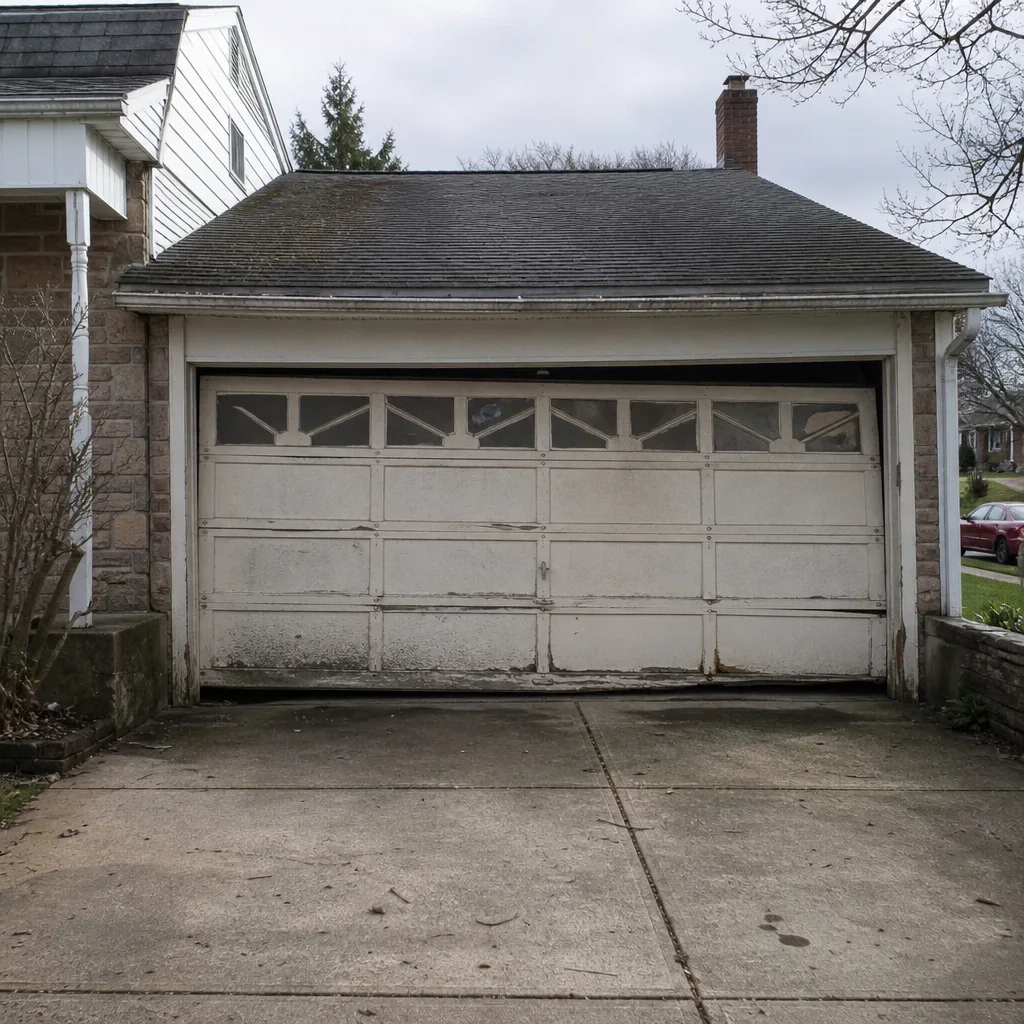 Before
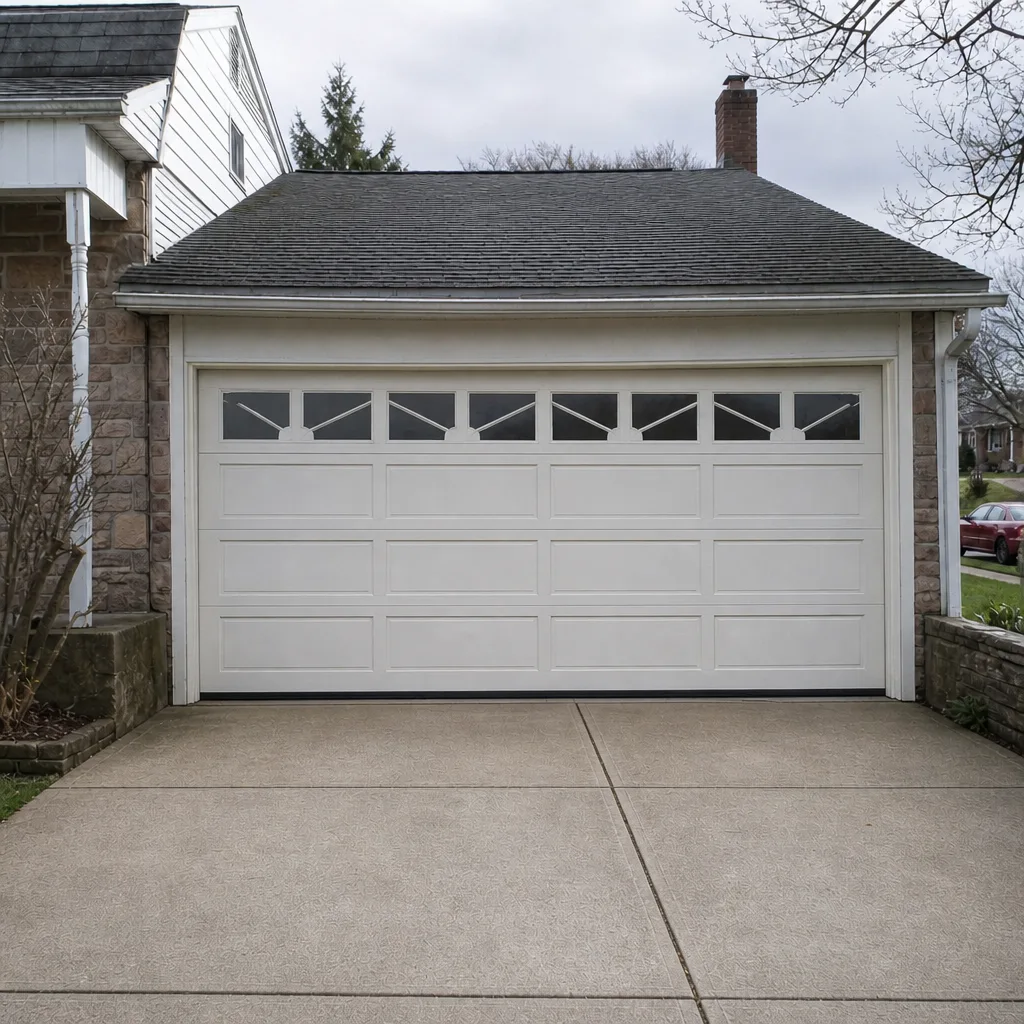 After
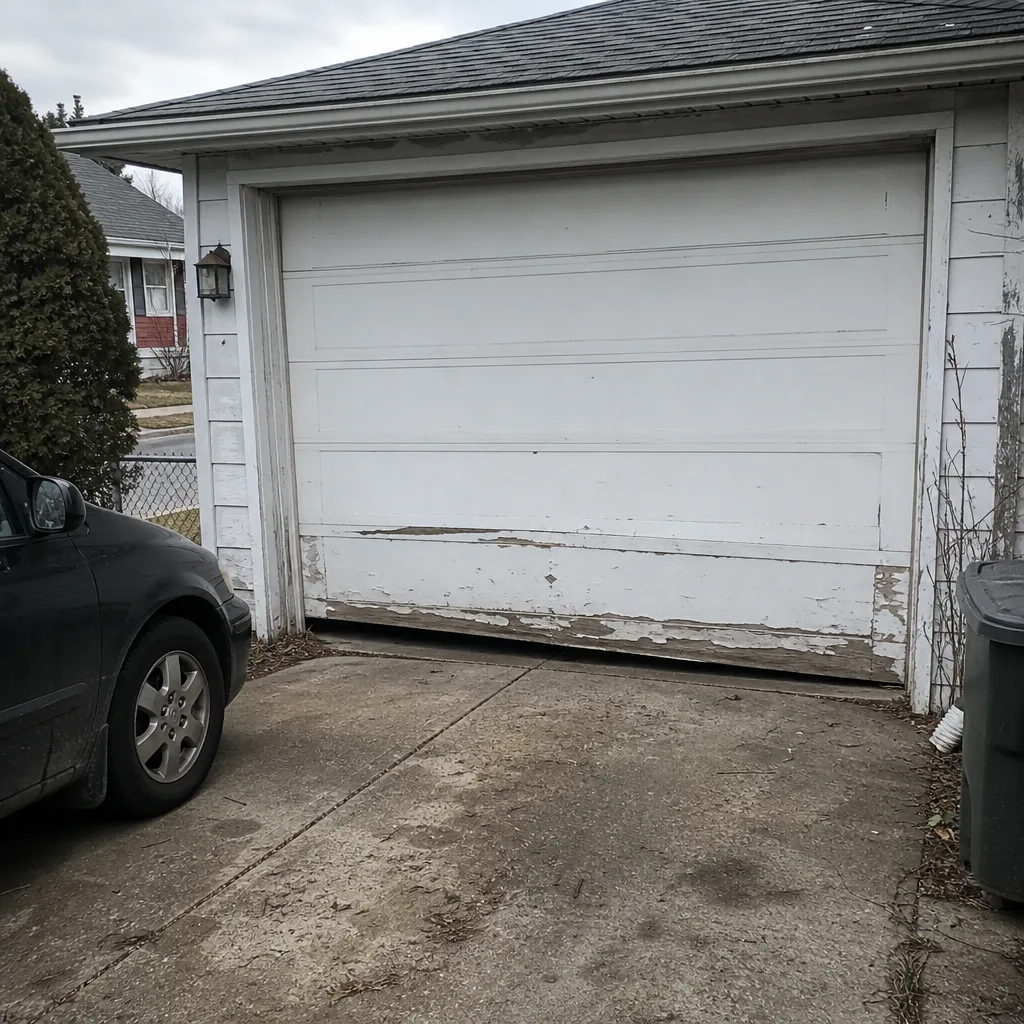 Before
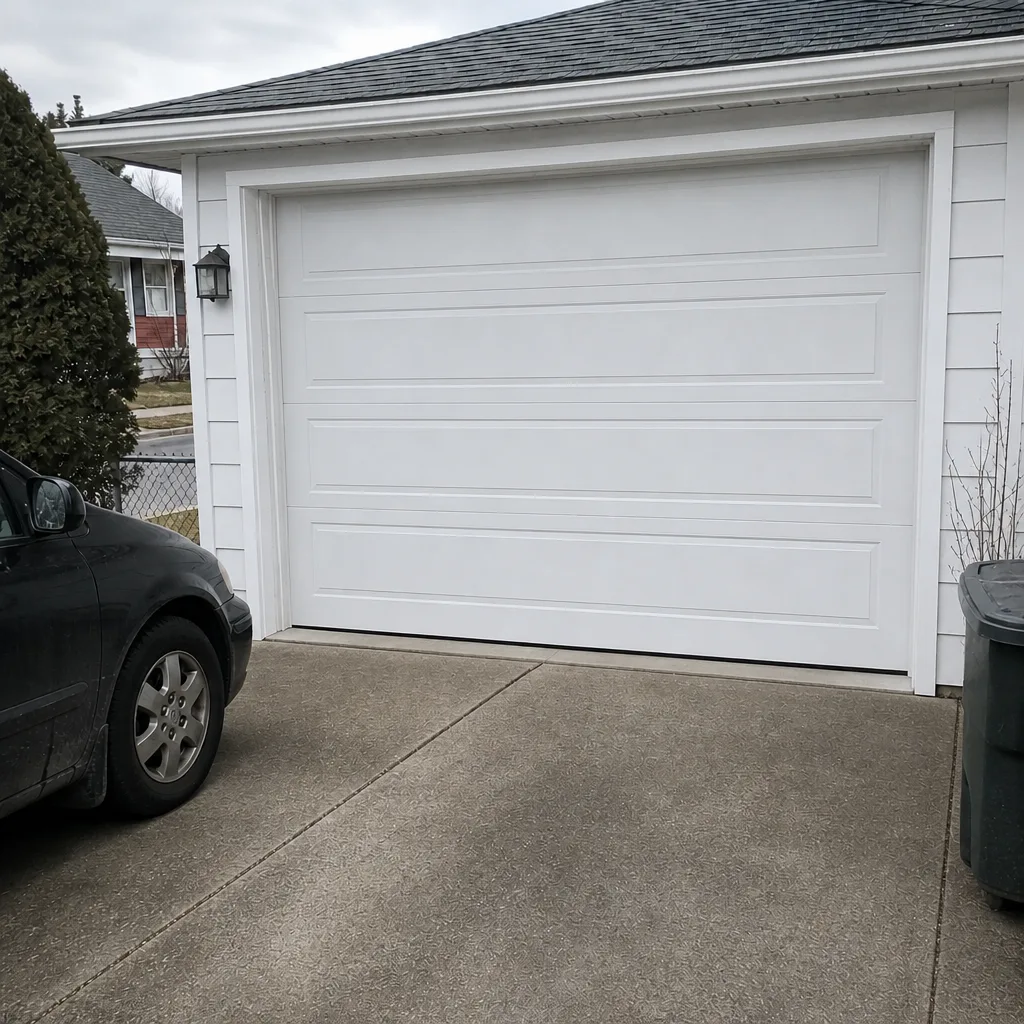 After
When to Call a Professional
Call a professional if you see a broken torsion spring (a visible gap in the coil), a frayed or kinked cable, a door off its tracks or hanging crooked, a door that closes partway and reverses repeatedly, or any grinding that starts suddenly and stays. Also call if the manual disconnect test shows the door is heavy or hard to lift, which points to a spring or cable problem rather than the opener. Any one of these is a stop-using-the-door situation until someone has looked at it. For small symptoms like a single roller or a noisy hinge, a maintenance visit can catch the problem before it grows. For a door that’s already failed, our same-day and emergency garage door repair is there to get you moving again. Norristown Garage Door Repair Pros provides free estimates in Norristown – call (877) 492-4107.
Frequently Asked Questions
The most common early signs are a door that hesitates or jerks on its first lift, grinding or popping sounds during travel, and a bottom edge that closes unevenly or drifts to one side. Frayed cables or worn rollers visible from the floor are also early indicators. Any of these point to a developing problem worth checking before it becomes a broken spring or failed opener. Call (877) 492-4107 for a free estimate if you’re seeing more than one.
You can usually quiet a squeaking door yourself by lubricating the rollers, hinges and track with a garage-door-specific lubricant, but you cannot safely adjust or touch the springs or cables. The noises coming from the springs or the cable drums are the dangerous ones. If the sound is coming from up high near the spring or the drums at the top of the tracks, stop and call a technician rather than climbing to investigate. Estimates are free.
A broken spring means the door won’t stay up and usually a visible gap appears in the coil (torsion) or one spring is much longer than its partner (extension). A door that still opens but feels heavy and looks slightly uneven usually has a tension problem rather than a fully broken spring. Either way, the fix is for a trained technician. Do not force the door. Call (877) 492-4107 for an exact quote on the repair.
The written estimate is the price. We quote the work before any tool comes out, based on what needs doing, and that number holds. If something unexpected turns up after the quote is agreed, we stop, explain, and get your approval before doing anything more. Estimates are free, so the first step costs nothing.
Usually not. A door that reverses during the close is typically a safety sensor or cable-tension issue rather than a broken spring. Common Chamberlain and Genie openers reverse for this reason more than any other. Run the manual disconnect test to check whether the door itself is balanced. If the door lifts easily by hand and the opener still reverses, the issue is opener-side. Call (877) 492-4107 for a same-day visit.
Yes, the local professionals we connect you with are licensed and insured as the state requires. Our technicians have up to 8 years of experience and are familiar with the eight major door and opener brands we service, including Chamberlain, Genie, Clopay, Amarr, LiftMaster, Wayne Dalton, Craftsman and Raynor. For an exact quote, call (877) 492-4107.
Every few weeks is usually enough to catch developing problems, plus a full look after any season change, especially the first cold snap. The 10-second close test is quick enough to run weekly. Small adjustments done promptly are the biggest cost saver on a garage door.
The Bottom Line
Warning sign guides usually wait until the door has failed. This one is about the signals that come earlier. A door that hesitates, grinds, closes unevenly or shows a frayed cable is telling you exactly which part is going bad. Catch it early and the fix is small. Ignore it and the fix moves into spring or cable territory, which is high-stakes work and should always be done by a trained technician. If you’re in Norristown and something about your door sounds different than it used to, that’s worth a look. Call Norristown Garage Door Repair Pros at (877) 492-4107 for a free estimate, and we’ll help you figure out what your door is telling you.
Written by the team at Norristown Garage Door Repair Pros.