Last updated November 23, 2026
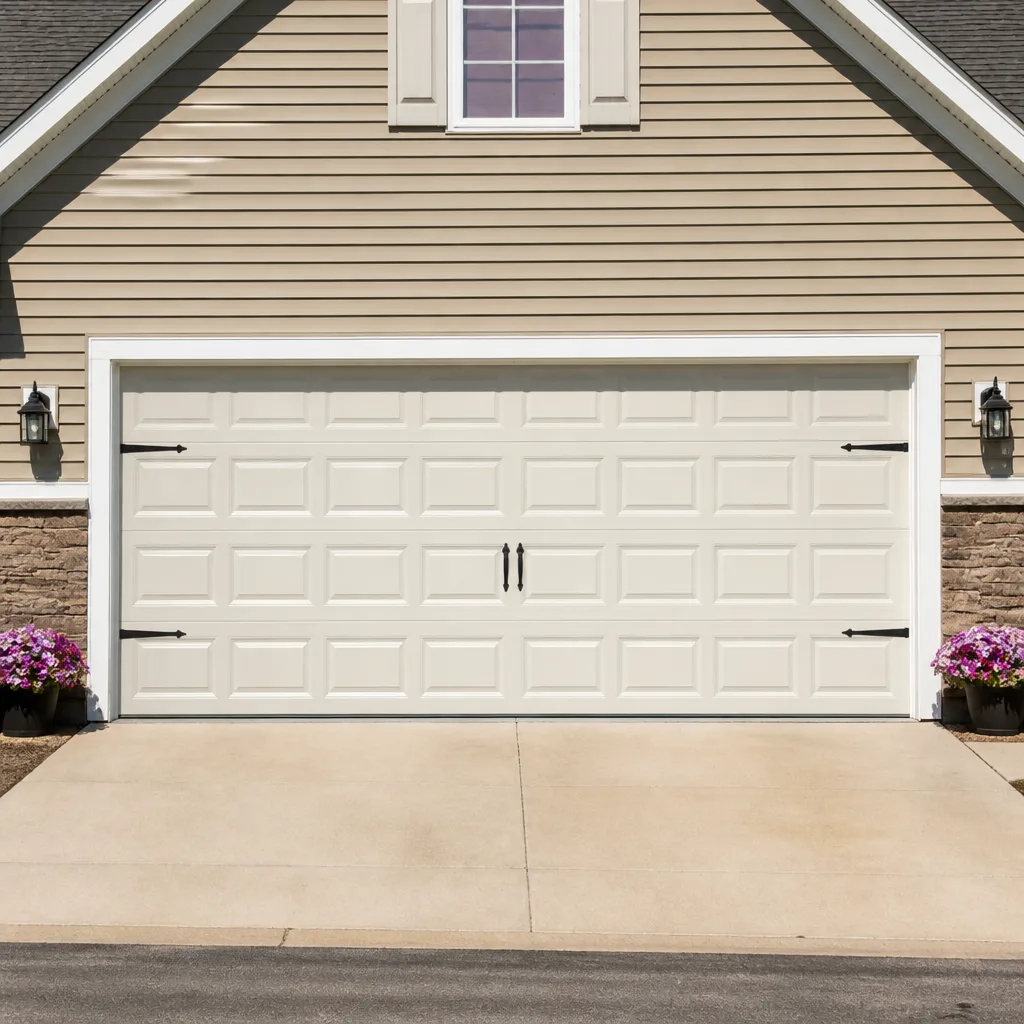 Raised-panel steel
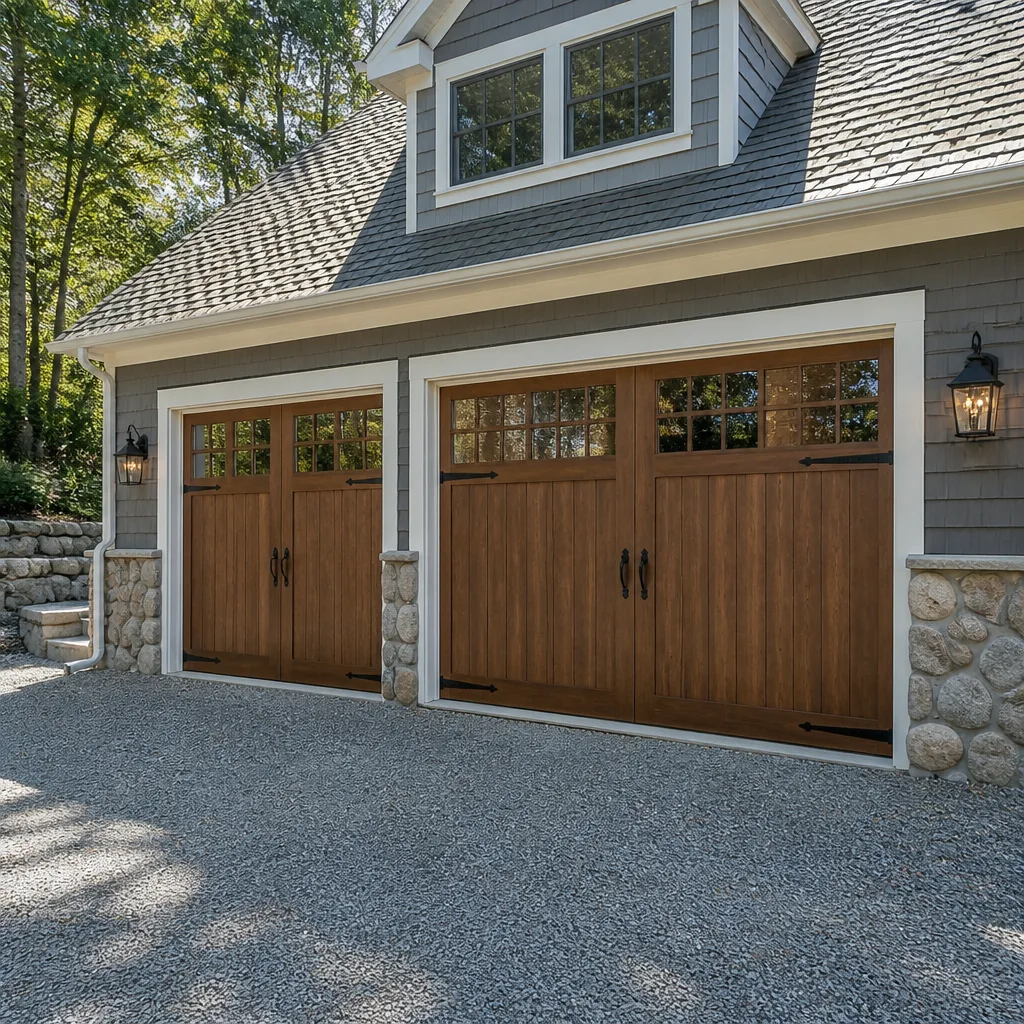 Carriage house
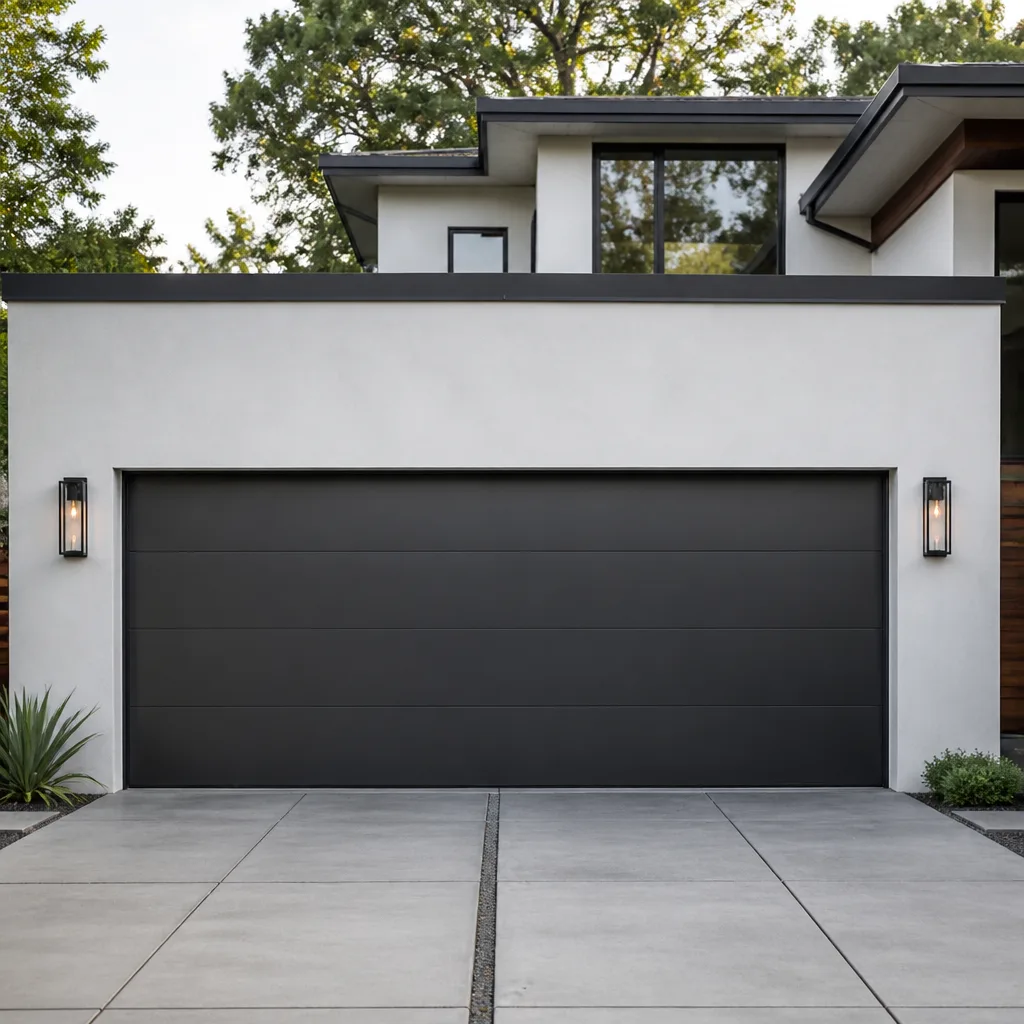 Modern flush
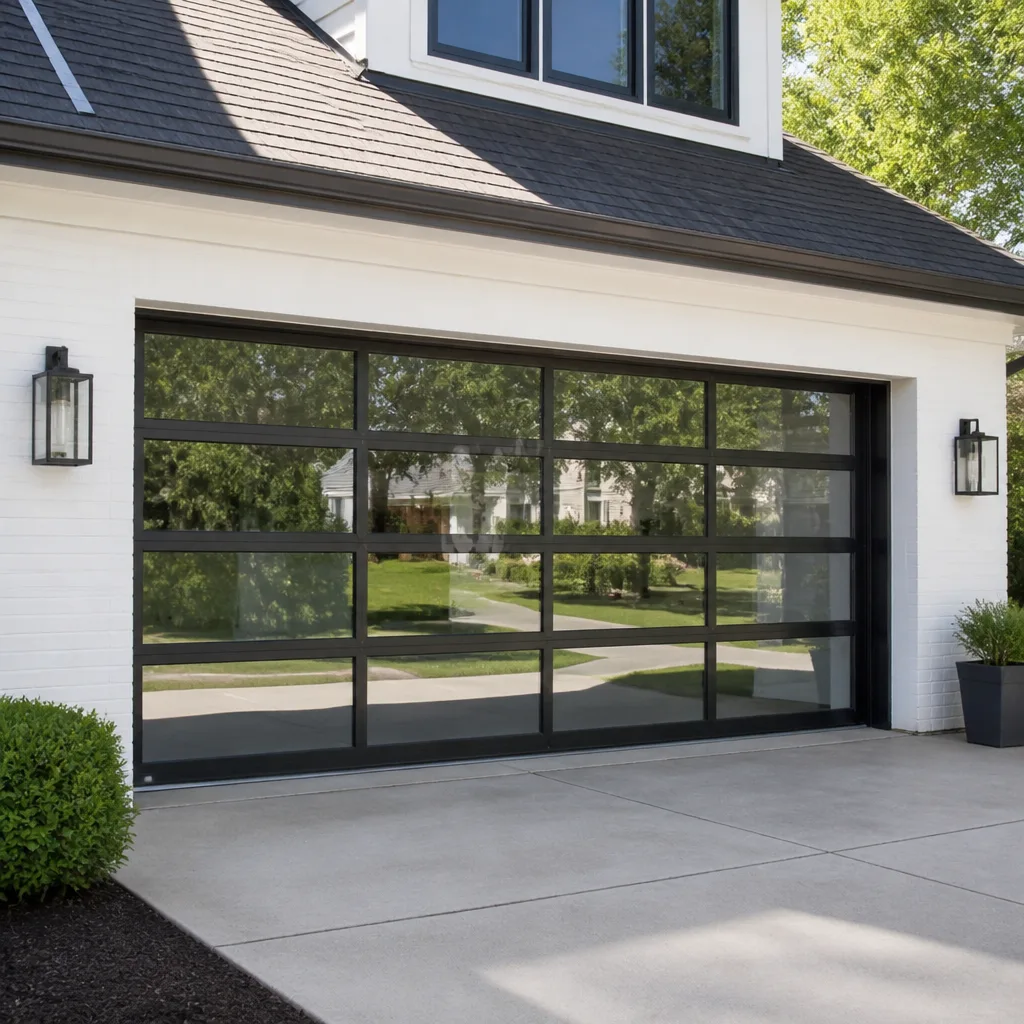 Full-view glass
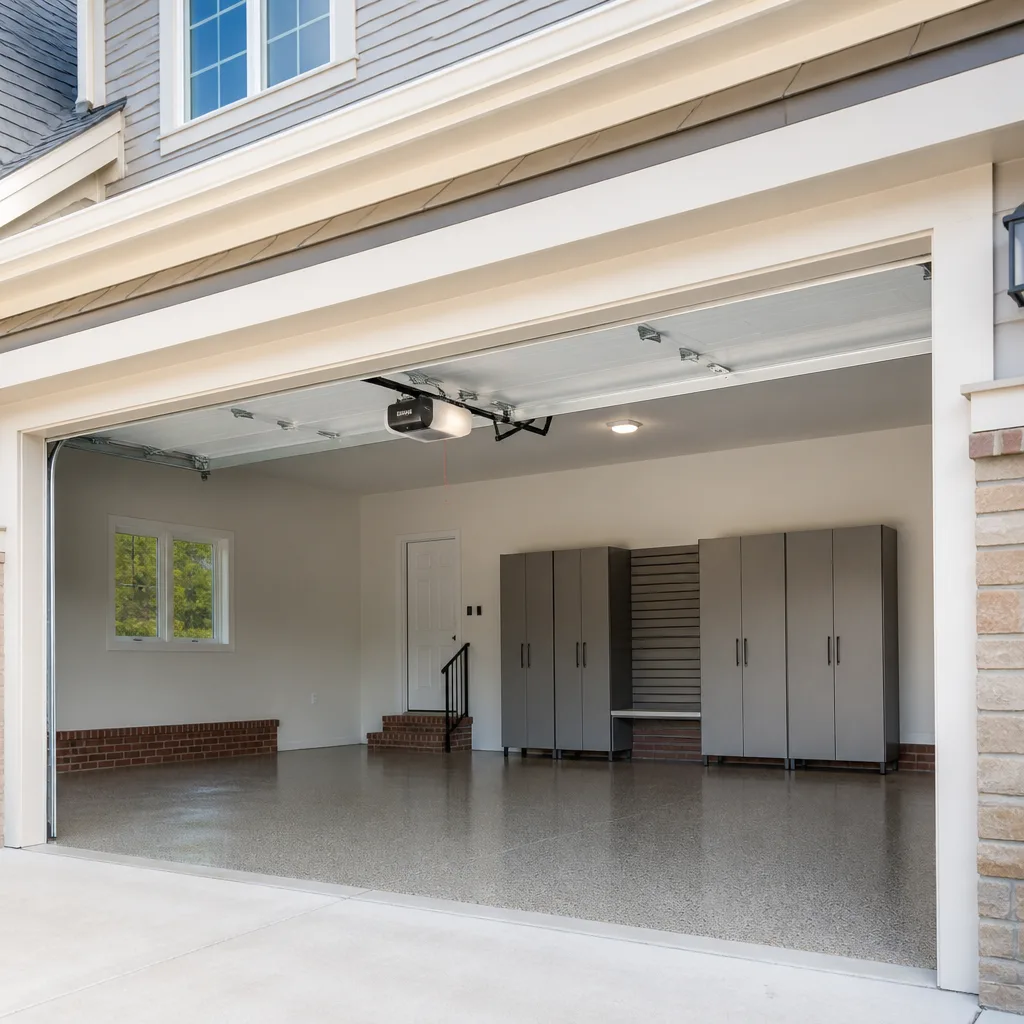 LiftMaster openers
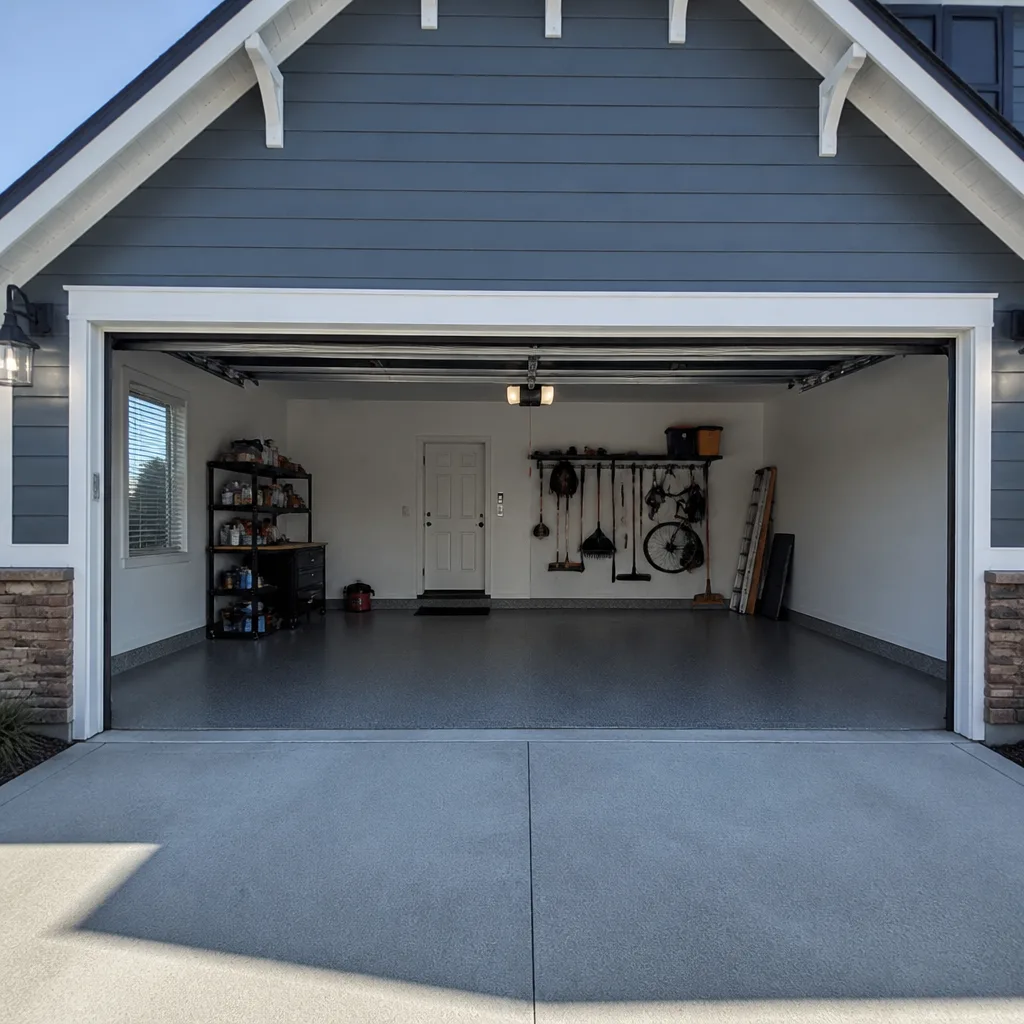 Chamberlain openers
Full 25-point door and opener safety check with every visit - springs, cables, rollers, tracks, and your LiftMaster or Chamberlain opener included
You get a price before we start. It does not change when the pro arrives.
Get your free estimateSeasonal Garage Door Care for Norristown: Year-Round Homeowner’s Guide
Late February and early March are the busiest weeks of the year for garage door calls around here, and it’s rarely a snowstorm that does the damage. It’s the freeze-thaw cycle: hardware that sat through December without a complaint starts to complain loudly once the ground thaws and refreezes a dozen times in a month. Norristown sits in a pocket of Montgomery County where that cycle runs hard, and the same door faces humid summers and, in the low ground near the creek, occasional floodwater. This guide walks through a full year of care, season by season, so the door keeps working instead of failing at the worst moment.
Quick Answer
Proper seasonal garage door care in Norristown means prepping hardware before the first hard freeze, checking the spring balance and track alignment once winter breaks, watching for humidity damage through summer, and clearing the tracks and bottom seal ahead of fall rain and flooding. The single most important habit is a short visual and balance check each time the season turns, because freeze-thaw and humidity are what wear this equipment down here, not daily use.
Styles & brands we work with
- Raised-panel steel
- Carriage house
- Modern flush
- Full-view glass
- LiftMaster openers
- Chamberlain openers
Table of Contents
- Pre-Winter Prep: What to Do Before the First Hard Freeze
- Through the Winter: What Freeze-Thaw Does to Your Hardware
- The Spring Inspection Sequence After Winter
- Summer Humidity and How Your Door’s Material Ages
- Fall Weatherization Timing for Montgomery County
- Flooding and Moisture Intrusion Near Stony Creek and the Schuylkill
- Opener Care Through the Seasons
- Common Mistakes to Avoid
Pre-Winter Prep: What to Do Before the First Hard Freeze
The work that matters most happens before the temperature drops and stays down. Once the ground is frozen and the nights sit well below freezing, everything you’d normally do in the garage gets harder, and a door that’s already sluggish will get worse. The frost line in this part of Pennsylvania runs deep enough that a poorly sealed threshold lets cold air straight into the track housing, which is why a few minutes of prep in late autumn pays off through the whole season.
Here’s the sequence we walk through before the first hard freeze:
- Lubricate the moving parts. Rollers, hinges, and the torsion or extension springs (never grease the springs themselves, just the pivot points) all benefit from a garage-door-specific lubricant. Cold thickens generic grease and can make the door drag.
- Test the balance. Disconnect the opener and lift the door by hand to about waist height. It should hold there without help. If it drops or rises, the springs are out of balance and need a technician.
- Check the weather seal along the bottom. A cracked or flattened bottom seal lets in cold air and, once wet, freezes to the floor.
- Clear and align the tracks. Dirt and debris that sits in the tracks through the winter can freeze solid and force the door off its line.
- Look at the hinges and rollers for rust or play. Winter is unkind to anything already loose.
If any of this turns up more than a loose bolt, the best plan is to get a proper look before the cold sets in. A routine garage door repair visit in the fall is far less stressful than an emergency in January. Homeowners around Norristown who do this one seasonal visit usually sail through winter with far fewer problems.
Through the Winter: What Freeze-Thaw Does to Your Hardware
Winter isn’t a single event here. It’s weeks of thawing by day and refreezing at night, and that repeated cycle is what degrades hardware that was perfectly fine in December. Metal contracts in the cold and expands as it warms, and that movement works loose what should be tight. Water gets into a hairline crack in a seal or a hinge pin, freezes, expands, and widens the gap. Over a season, that’s how you end up with a door that suddenly won’t close flush in March.
The parts that suffer most during a Norristown winter:
- Torsion and extension springs. Cold metal is brittle metal. A spring that’s near the end of its life is far more likely to snap in a cold snap than in mild weather. This is the single most common winter failure we see.
- Bottom seals and thresholds. Moisture freezes the seal to the concrete, and the door rips it loose the next time it opens.
- Rollers and hinges. Lubricant thins and migrates, leaving bare metal grinding against bare metal.
- Opener drive gears and belts. A stiff door puts extra strain on the opener, which can strip a plastic gear or wear a belt faster than usual.
Through the winter, the useful habit is a quick listen. If the door sounds different (a groan, a scrape, a bang at one end) get it looked at before it fails completely. And never try to adjust a torsion spring yourself; those springs are under extreme tension and are genuinely dangerous. That’s high-stakes work for a trained technician, which is why we treat garage door spring repair as its own specialty rather than a side job.
The Spring Inspection Sequence After Winter
Once the ground thaws and the freeze-thaw cycle ends, it’s time to check what winter left behind, in a specific order. Checking in the right sequence saves you from chasing a symptom when the real problem is somewhere else. In our experience across Norristown, the components that degrade most over winter are the springs, the bottom seal, the tracks, and the opener’s drive system, roughly in that order of failure risk.
Here’s the order to check them:
- Balance first. Disconnect the opener and lift the door halfway. If it won’t hold, the springs took a hit over winter and everything else is secondary.
- Then the springs themselves. Look for gaps in a torsion spring’s coils or a stretched or kinked extension spring. A visible gap means the spring has failed or is about to.
- Next, the tracks. Check that both vertical and horizontal tracks are straight and the gap between track and roller is even. Winter settling and frozen debris often knock tracks slightly out of line.
- Then the bottom seal and threshold. A torn seal or a threshold that’s pulled away from the floor is a moisture problem waiting to happen.
- Finally, the opener. Run the door a few times and listen. Grinding, a laboring motor, or a door that reverses for no reason points to the opener or its safety sensors.
If step one or two turns up a problem, stop there and get a professional involved. The rest of the list only makes sense once the balance is right. A spring that fails in spring is common enough that it’s worth knowing exactly what a garage door spring repair involves before you need one.
Summer Humidity and How Your Door’s Material Ages
Pennsylvania summers are humid, and that humidity works on a garage door differently depending on what it’s made of. This is where a lot of generic seasonal advice falls short; a guide written for a dry climate doesn’t account for months of high moisture in the air. Around Norristown, the summer humidity is the second big stress on a door after winter cold, and it ages materials at different rates.
How each material handles it:
- Steel doors. The most common type. Steel itself is fine, but humidity finds every scratch and chip in the paint and starts rust from there. Keep the paint intact and touch up chips before they spread. A steel door in a humid climate lives or dies by its finish.
- Wood and wood-composite doors. These are the most humidity-sensitive. Wood swells in summer and shrinks in winter, and that movement can warp panels, open joints, and crack the finish. Composite holds up better than solid wood but still needs a good seal. Clopay and Amarr doors come in both steel and composite lines, and each ages differently in this climate.
- Fiberglass doors. Generally stable in humidity and won’t rust, but the finish can chalk over time and the frame around the panels still needs checking.
Summer is also when seals swell. A bottom seal that fit in April can bind against the floor in July, which strains the opener. If your door starts reversing or the opener sounds labored in the heat, the seal or the track alignment is often the cause, and that’s usually a quick garage door repair rather than a replacement.
Fall Weatherization Timing for Montgomery County
Fall prep should be done about two to three weeks before the first average frost, not “before it gets cold” in some vague sense. In Montgomery County that means getting the work done in the window when the days are still mild but the nights are cooling, so you’re not racing the first hard freeze. The practical rule: once the leaves turn and the overnight temperatures start dipping toward freezing, you’re in the window. Earlier than that and the work gets undone by warm days; later and you’re doing it in the cold.
The fall weatherization checklist for a Norristown home:
- Seal and insulate. Replace a worn bottom seal and check the threshold. This is also the moment to look at the door’s weatherstripping around the frame.
- Lubricate everything that moves. The same lubrication from pre-winter, done now so it’s fresh before the cold.
- Test the balance and the safety reverse. Both should be confirmed before the season changes.
- Clear the tracks and check the hardware. Loose hinges and rollers are easier to fix now than in February.
- Service the opener. Check the belt or chain tension and the safety sensors. Cold weather is hard on openers, and a Genie or Chamberlain unit that’s already strained will strain more in winter.
Doing this in the fall window means the door enters winter in good shape, which is the whole point. A proper garage door opener repair in autumn, if the opener needs attention, is far cheaper than replacing a burned-out motor in January.
Flooding and Moisture Intrusion Near Stony Creek and the Schuylkill
Norristown has real flood risk in its lower-elevation neighborhoods, particularly along the Stony Creek and the Schuylkill River corridor. Spring flooding is a genuine seasonal concern here, not a hypothetical. When water rises near a garage, the door and its hardware are on the front line, and moisture intrusion around the threshold is the first thing to watch. A garage that takes on water doesn’t just get wet; the water sits against the bottom seal, the track feet, and the concrete, and it rusts and rots everything it touches over time.
If you’re in a low-lying area, these steps matter:
- Keep the threshold and bottom seal in good repair. A tight seal is your first defense against water creeping in.
- Clear the drainage around the garage apron. Water that pools against the door finds a way in.
- Check for rust on track feet and hinges after any high-water event. Rust starts fast and spreads.
- Let a wet garage dry thoroughly before running the door. Moisture in the tracks and springs does more damage when the door cycles.
After a flooding event, the door itself may be fine while the opener and its wiring are not. If the opener got wet, don’t run it until it’s been checked. That’s a case where a professional assessment saves you from a much bigger repair. Around Norristown, the homes closest to the creek and the river benefit most from an annual check right as the spring thaw and rain season begins.
Opener Care Through the Seasons
Your opener works harder in the extremes than at any other time, and it’s the piece of equipment most likely to fail quietly. A door that’s slightly out of balance or a seal that’s binding forces the opener to work against resistance it wasn’t sized for, and that’s what kills motors and strips gears. Seasonal opener care is mostly about keeping the door easy to move so the opener isn’t fighting it.
What to do, season by season:
- Fall: check the belt or chain tension, test the safety reverse, and clean the safety sensors.
- Winter: listen for strain. A cold, stiff door is the opener’s worst enemy. If the door is hard to lift by hand, fix the door before blaming the opener.
- Spring: after the balance check, confirm the opener’s force settings haven’t been thrown off by winter. Re-teach the travel limits if the door stops short or overshoots.
- Summer: watch for seals swelling and binding. Humidity-related drag is a common cause of openers reversing in the heat.
We’re factory-familiar with the opener brands most Norristown homes actually have, including Chamberlain and Genie, along with LiftMaster, Craftsman, and Raynor. That matters because compatibility and smart-home questions get answered on the spot rather than guessed at. LiftMaster and Chamberlain share a lot of design language, as do Genie and Craftsman, and knowing which family you’re dealing with speeds up diagnosis. If your opener is struggling, an garage door opener repair is usually a same-visit fix.
Common Mistakes to Avoid
- Waiting for a failure to do maintenance. The seasonal checks above are cheap and quick. A snapped spring in a January cold snap is neither.
- Greasing the springs themselves. Lubricant belongs on the pivot points and rollers, not the spring coils. Greasing the coils attracts grit and can make things worse.
- Ignoring a bottom seal that’s cracked or flattened. Around Norristown a bad seal means cold air in winter and water in a flood, so it’s the one small part that protects everything else.
- Assuming a door that’s hard to lift just needs a new opener. Nine times out of ten the door is out of balance and the opener is fine. Fix the door first.
- Adjusting torsion springs yourself. This is the most dangerous DIY mistake in the trade. Torsion springs are under extreme tension and can cause serious injury. Leave them to a trained technician.
- Skipping the fall window and doing prep in the cold. Weatherization done in the mild weeks before the first frost lasts longer and is easier to do properly.
- Forgetting the low-ground flood risk. If you’re near Stony Creek or the Schuylkill corridor, a spring moisture check is as important as any winter prep.
See the difference
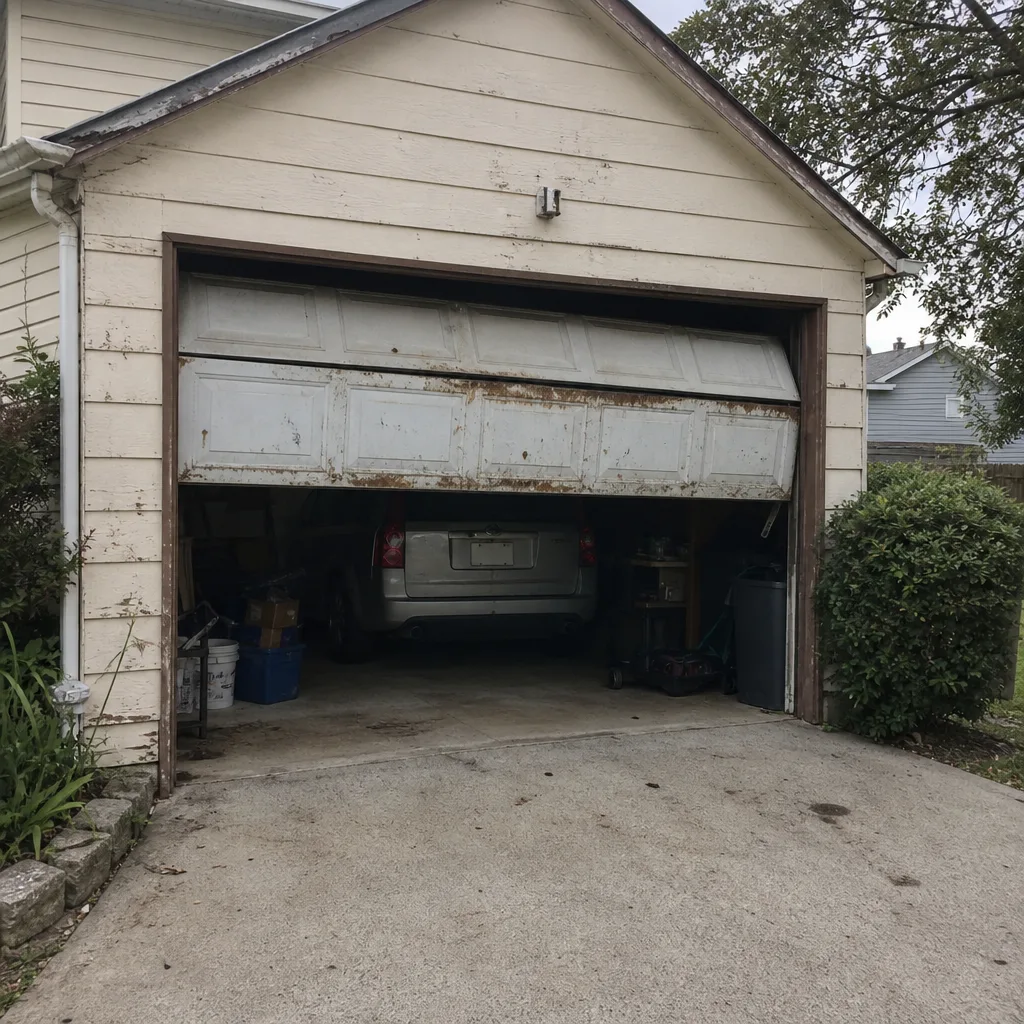 Before
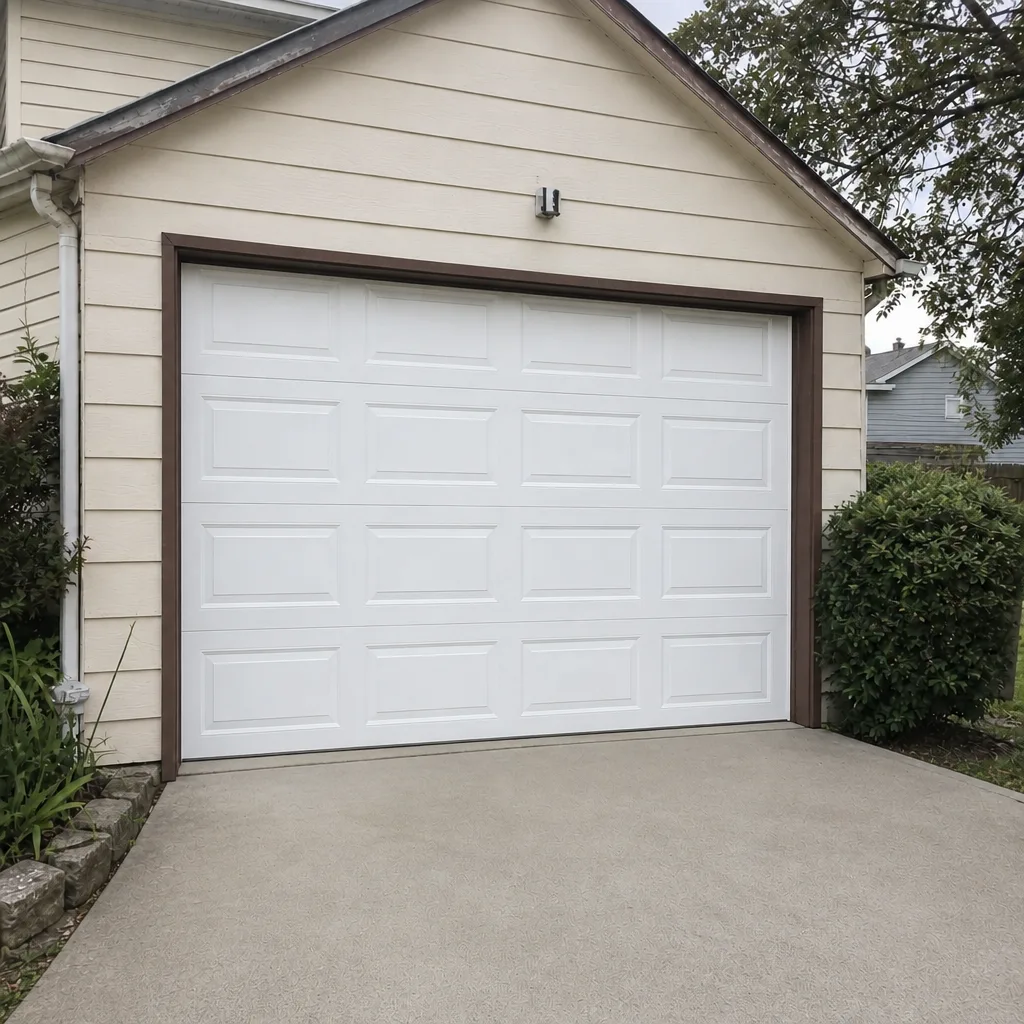 After
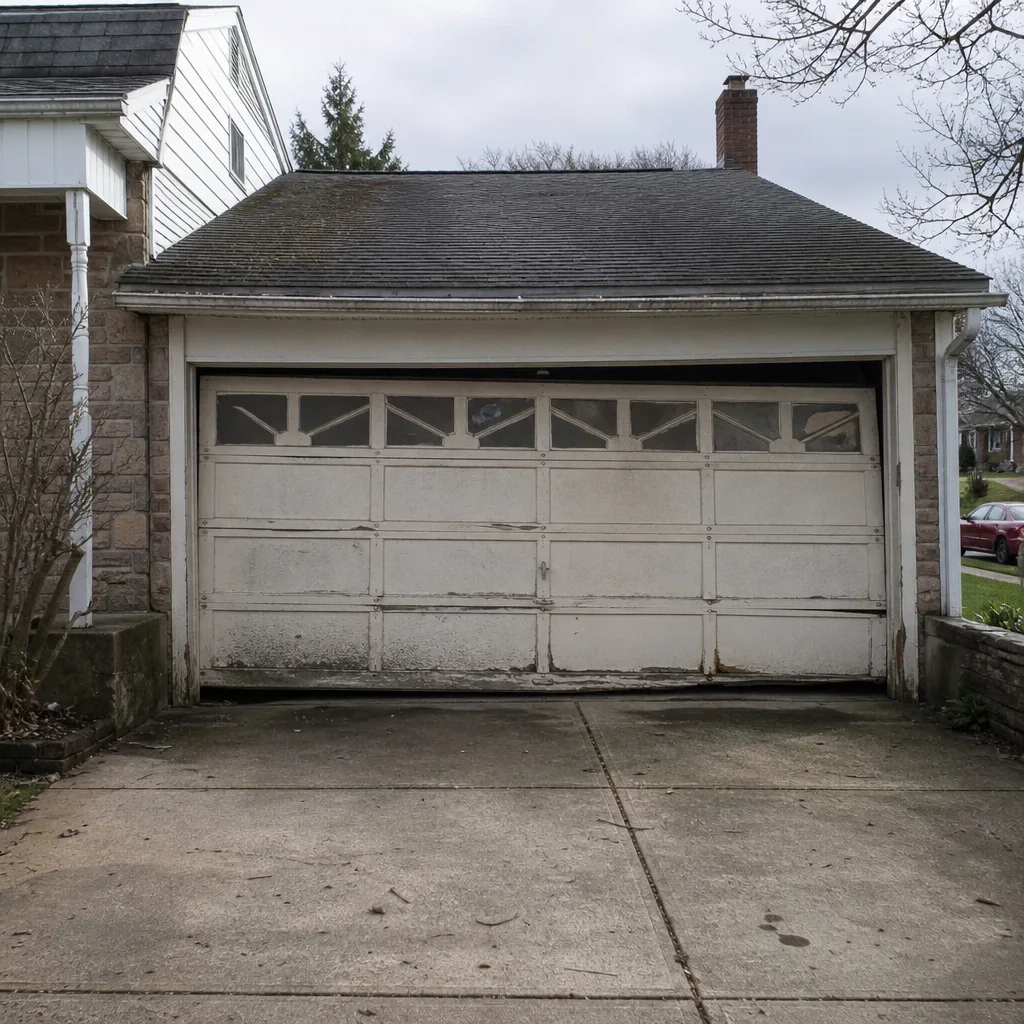 Before
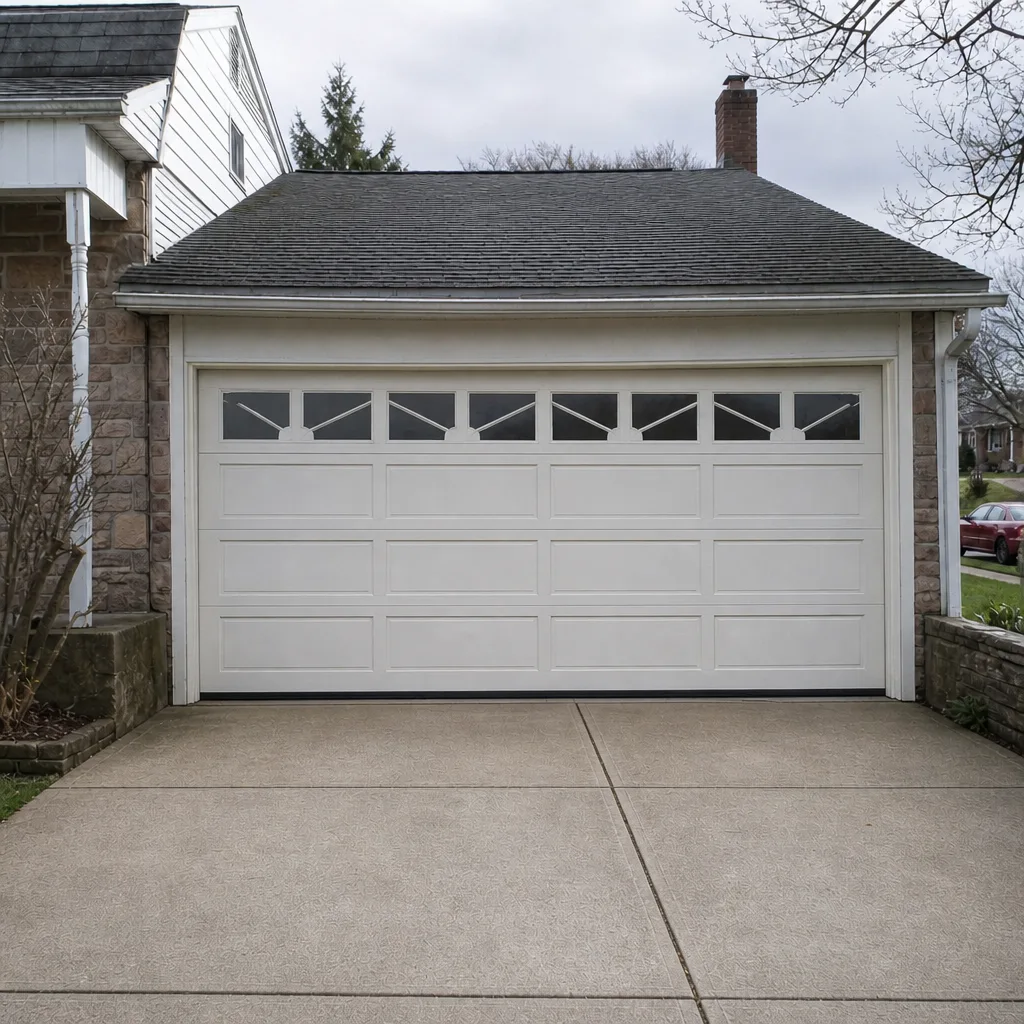 After
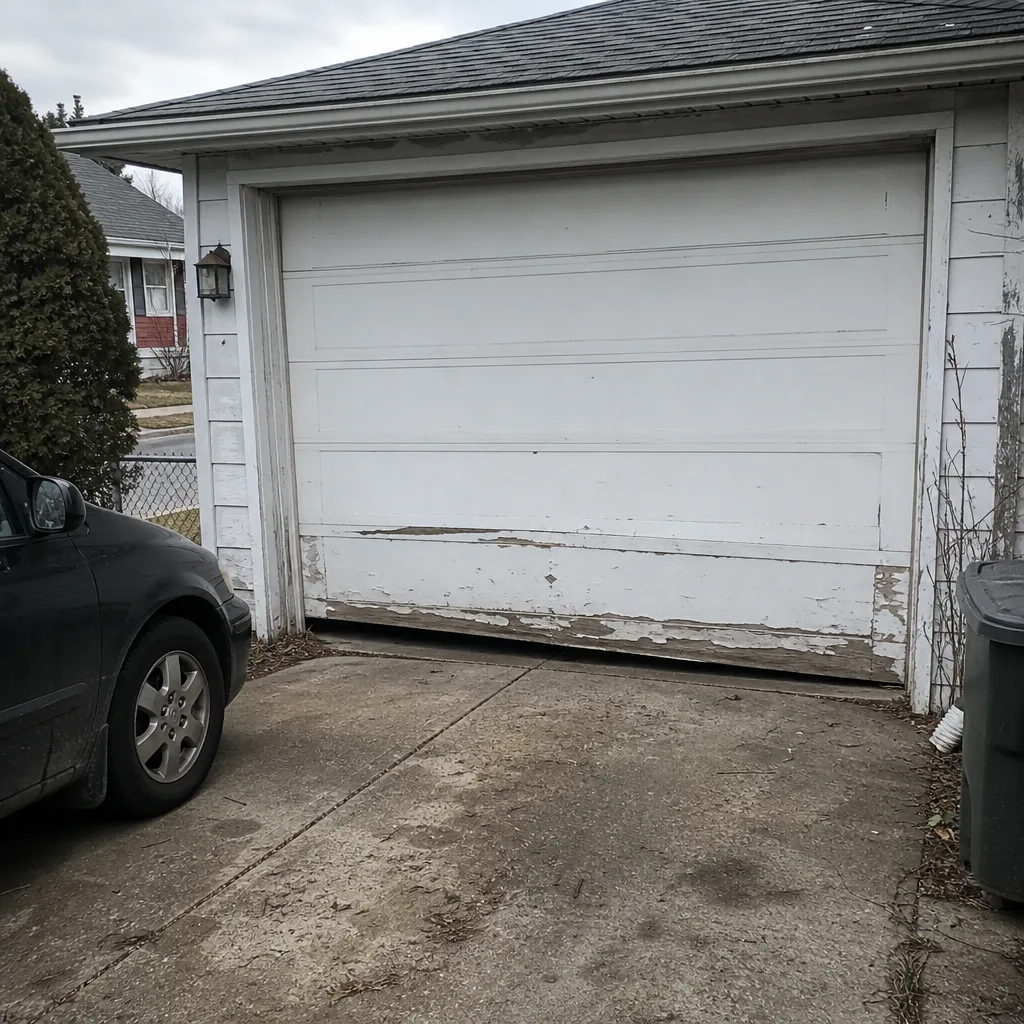 Before
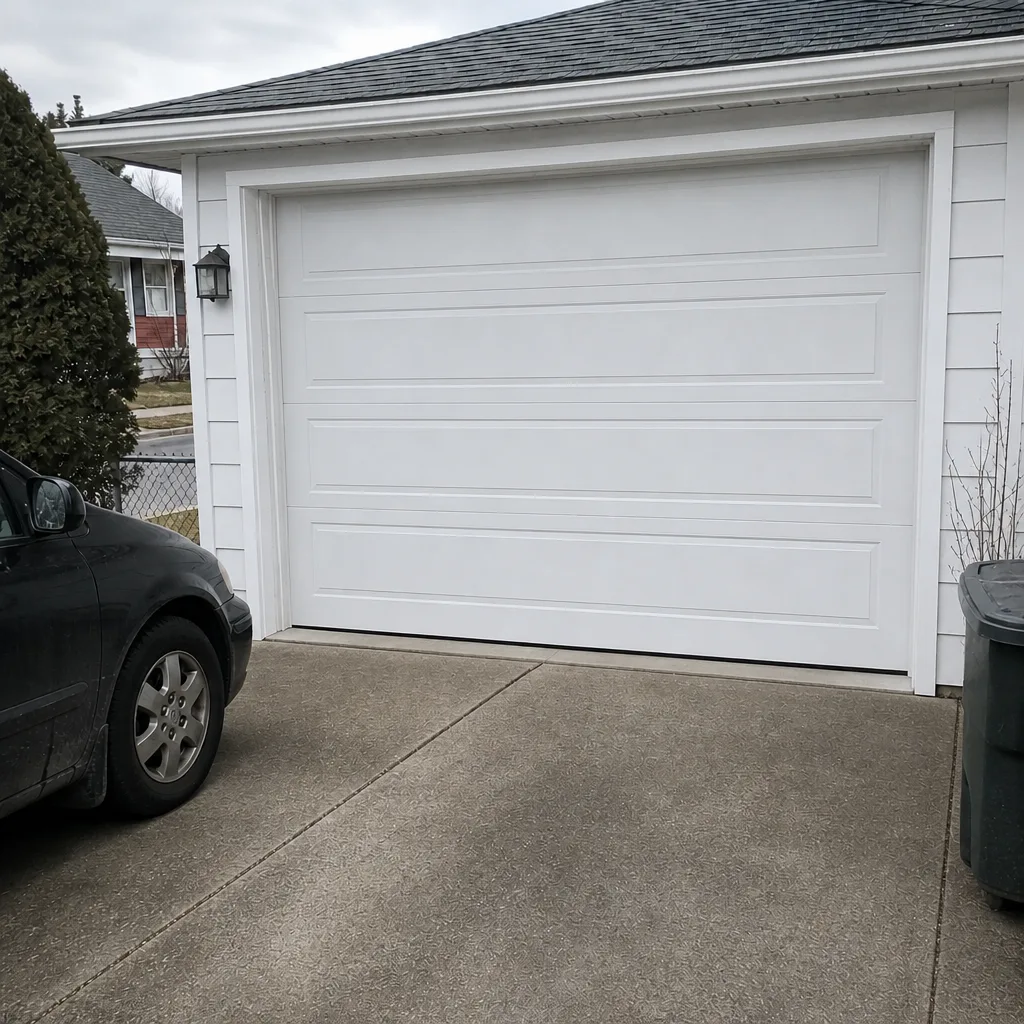 After
When to Call a Professional
Some seasonal care is safe to do yourself: lubricating rollers and hinges, clearing tracks, replacing a bottom seal, and testing the balance by hand. But some situations call for a trained technician, and knowing the difference is what protects your door and your safety. Call us if the door won’t hold its balance when you lift it by hand, if you see a gap in a torsion spring or a stretched extension spring, if the door has come off its track, if the opener runs but the door doesn’t move, or if the door reverses for no clear reason. Any of these points to a problem that’s beyond routine maintenance, and springs in particular should never be handled without training. Norristown Garage Door Repair Pros offers free estimates in Norristown – call (877) 492-4107 and we’ll take a look before it becomes an emergency.
Frequently Asked Questions
The single most valuable task is the pre-winter balance and spring check, done in the fall window before the first hard freeze. That one check catches the failures that cause the most winter breakdowns here, and it’s quick. If you only do one thing a year, do that, then call (877) 492-4107 for a free estimate if anything looks off.
It’s the repeated freeze-thaw cycle, not a single storm, that does the damage. Water gets into small gaps, freezes, expands, and widens them, while cold metal makes springs more brittle. Over a season that turns a minor issue into a failure, which is why the spring inspection after winter matters so much. Call us for an estimate if your door sounds different than it did in December.
Yes. Steel doors mostly need their paint kept intact so humidity doesn’t start rust in chips, while wood and composite doors swell and shrink with the seasons and need their finish and joints watched. Fiberglass is the most stable in humidity. Knowing your door’s material tells you which summer check matters most, and we can advise on any of them at (877) 492-4107.
After any high-water event, check the bottom seal, the track feet, and the hinges for rust, and don’t run a wet opener until it’s been checked. Moisture in the tracks and springs does more damage when the door cycles. If your garage took on water, call us for a free estimate before running the door again.
It can’t make a spring last forever, but keeping the door balanced and the hardware lubricated reduces the strain that shortens a spring’s life. A spring that’s already near the end of its life can still fail in a cold snap, which is why the fall check exists. If you suspect a failing spring, call (877) 492-4107; spring repair is genuinely dangerous to attempt yourself.
Once a year, timed to the fall window, covers most homes, plus a quick check after winter and again in the humid months. The extremes here ask more of an opener than a mild climate does. We service the opener brands most local homes have, including Chamberlain and Genie, and a free estimate will tell you where yours stands. Call (877) 492-4107.
The Bottom Line
Seasonal garage door care in Norristown comes down to timing: prep before the first hard freeze, inspect the balance and springs once winter breaks, watch for humidity damage through summer, and clear and seal ahead of fall rain and flood risk. Steel, wood, and fiberglass doors age differently in this climate, so the checks aren’t identical for every home. The through-line is simple: a short check each time the season turns catches problems while they’re cheap. When something turns up that’s beyond routine care, especially anything involving the springs, get a trained eye on it before it fails.
Whether you need a seasonal tune-up, a spring replaced, a new opener, or a full door install, one call covers all of it. Norristown Garage Door Repair Pros works on LiftMaster, Chamberlain, Genie, Clopay, Amarr, Wayne Dalton, Craftsman, and Raynor equipment, and our technicians have up to 8 years of experience. Call (877) 492-4107 for a free estimate, and we’ll help you get your door ready for whatever season is next.
Written by the team at Norristown Garage Door Repair Pros.